Landyn & Kieren

Japan, 2026

Please enter the password from your invitation.

Ten ways to spend a day

Things to Do in Tokyo

Walkable neighbourhoods to eat, drink, shop and wander at your own pace, plus a few day trips beyond the city.

Whether you have a few hours, an entire evening or a full day, each of these is an easy starting point — with plenty of room to wander. Most were chosen with our early-October wedding period in mind.

Our personal picks

Landyn + Kieren Specific Recommendations

Neighbourhood-by-neighbourhood ideas for how to spend your time — including where to go and roughly when — drawn from our own favourite days and evenings in Tokyo.

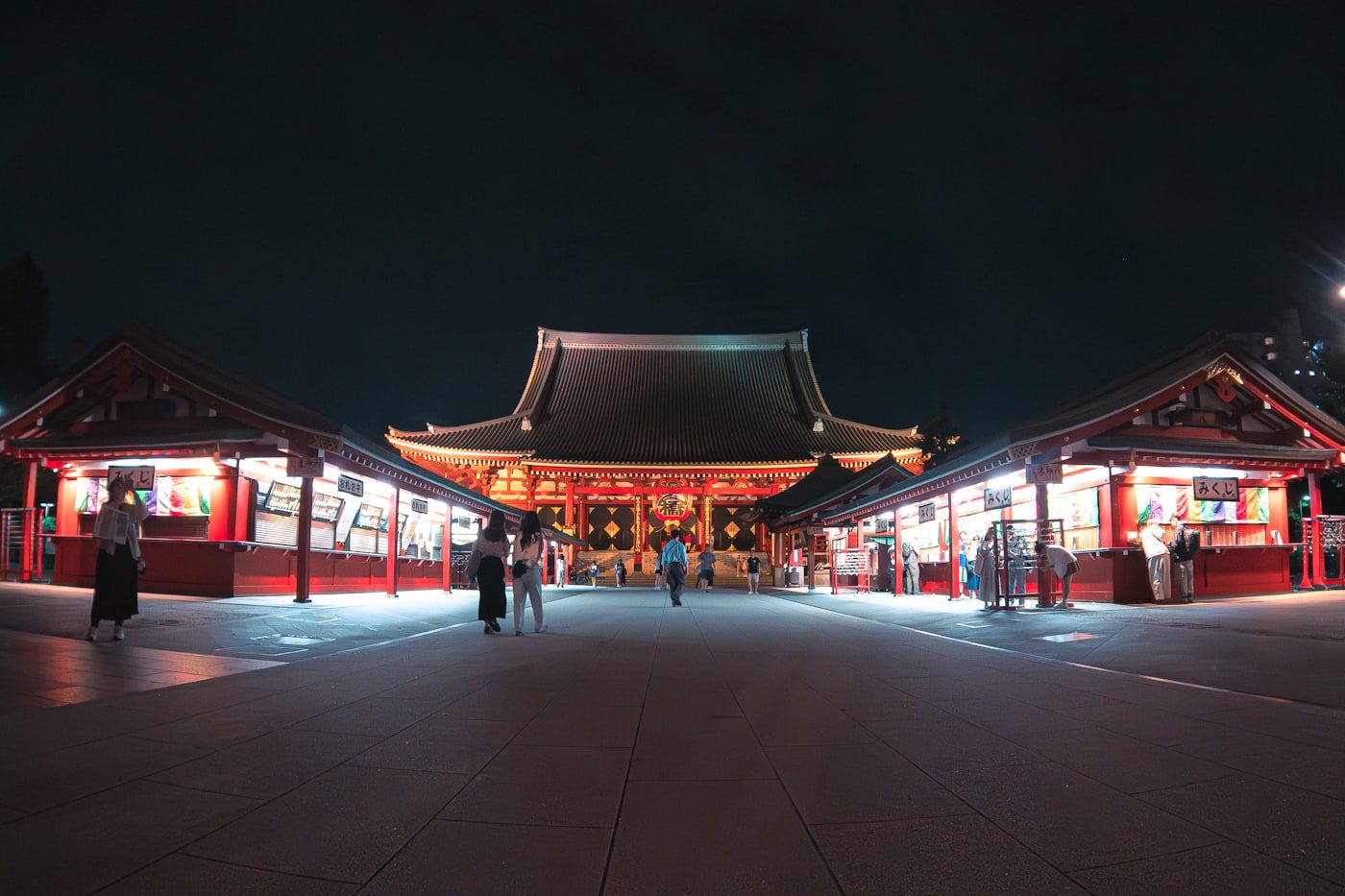
The temple grounds of Sensō-ji in Asakusa, Tokyo 01
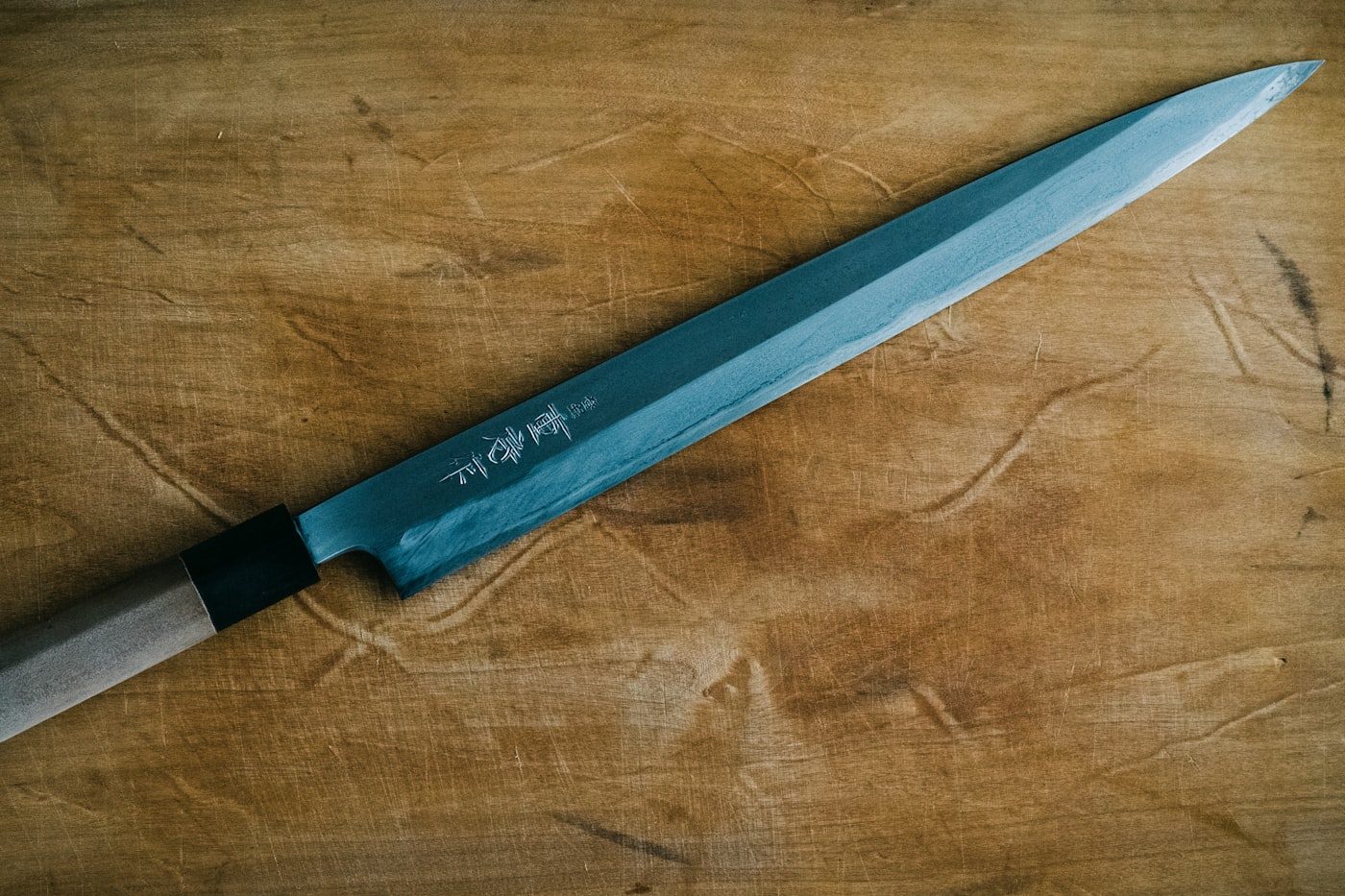
A Japanese chef’s knife on a wooden board
Kappabashi is the place for Japanese knives and kitchenware.
The lantern-lined Nakamise shopping street leading to Sensō-ji
Nakamise-dōri, on the approach to Sensō-ji.

Kappabashi, Asakusa & the Sumida River

Best for Japanese knives, kitchenware, traditional Tokyo and souvenir shopping Allow Half a day

Begin on Kappabashi Street, Tokyo’s kitchenware district. The stores here supply restaurants throughout Japan and sell Japanese knives, ceramics, chopsticks, sake cups, cooking equipment and the remarkably realistic plastic food displayed outside Japanese restaurants. It is one of the best places to buy something genuinely useful from the trip rather than a conventional souvenir.

From Kappabashi, walk about 15 minutes into Asakusa. Explore the smaller streets around Sensō-ji before approaching the temple through Nakamise shopping street.

Continue past the temple toward the Sumida River, where you can walk along the waterfront, stop for a beer or coffee and see Tokyo Skytree across the river.

Suggested plan

Shop for knives and ceramics in the late morning, have lunch around Asakusa, visit Sensō-ji and finish with a riverside drink.

View area on Google Maps ↗
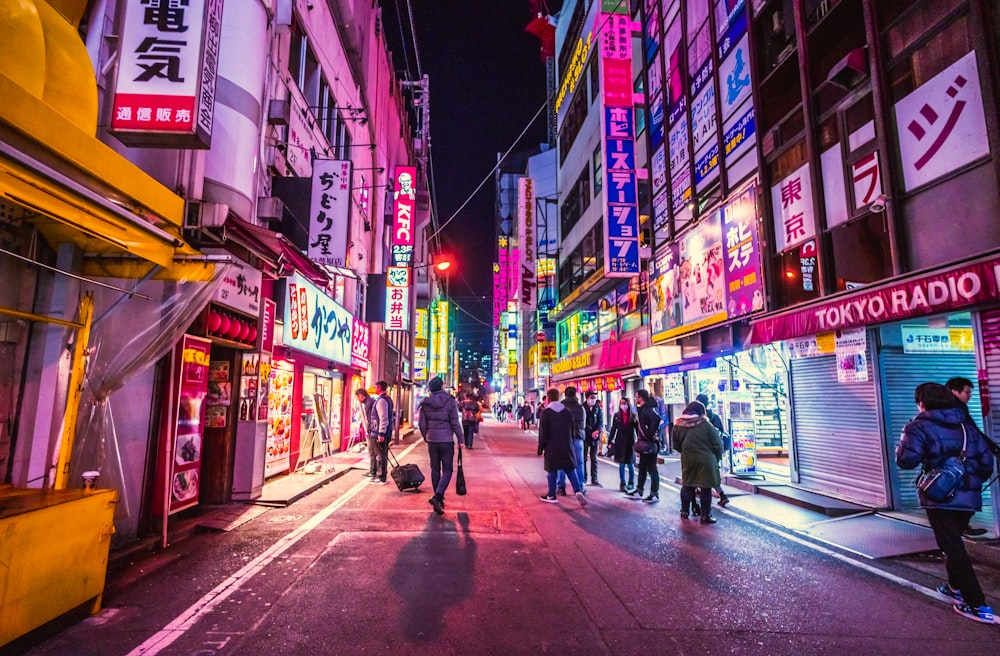
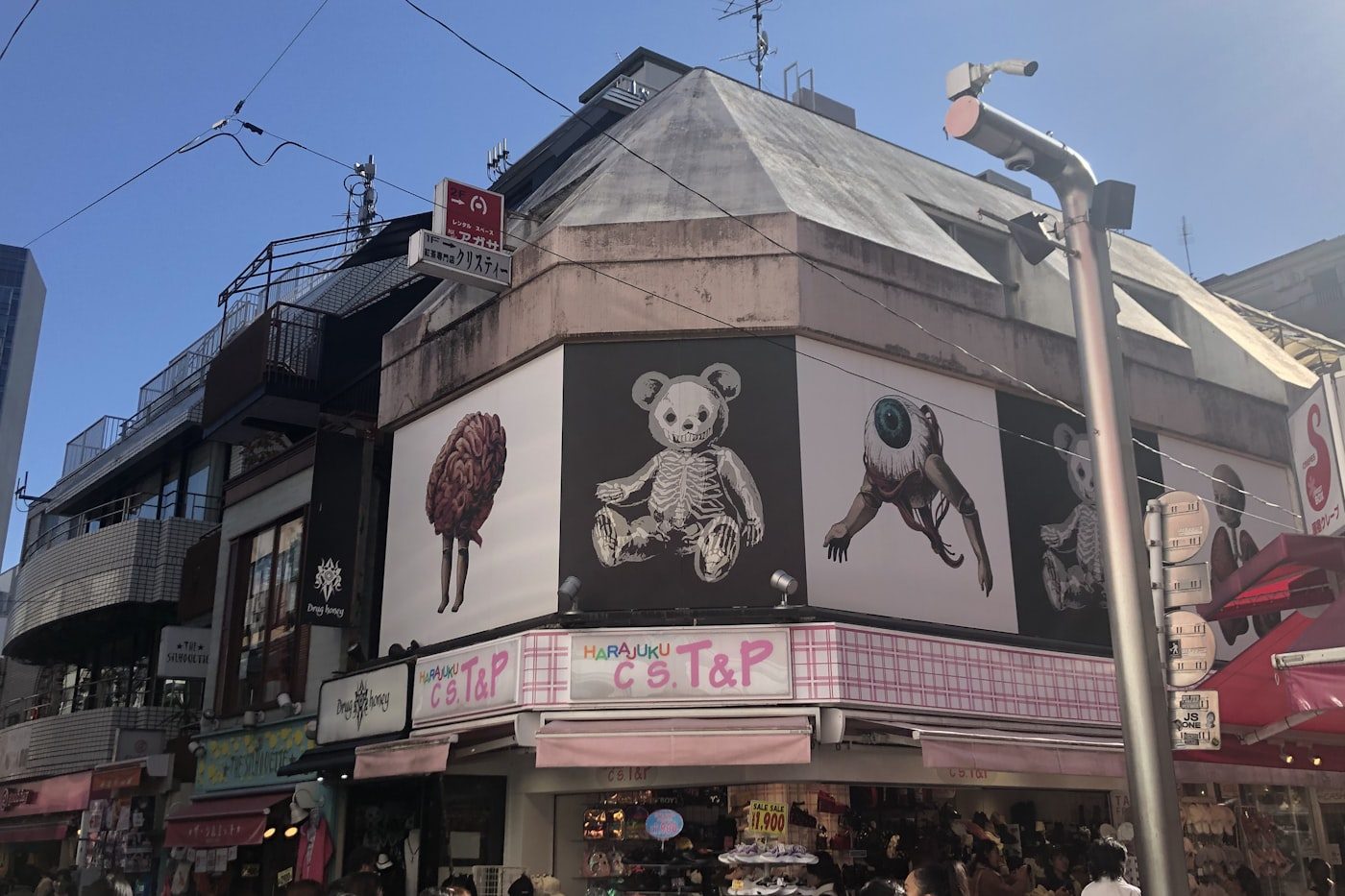
A lively, colourful street in Harajuku, Tokyo 02
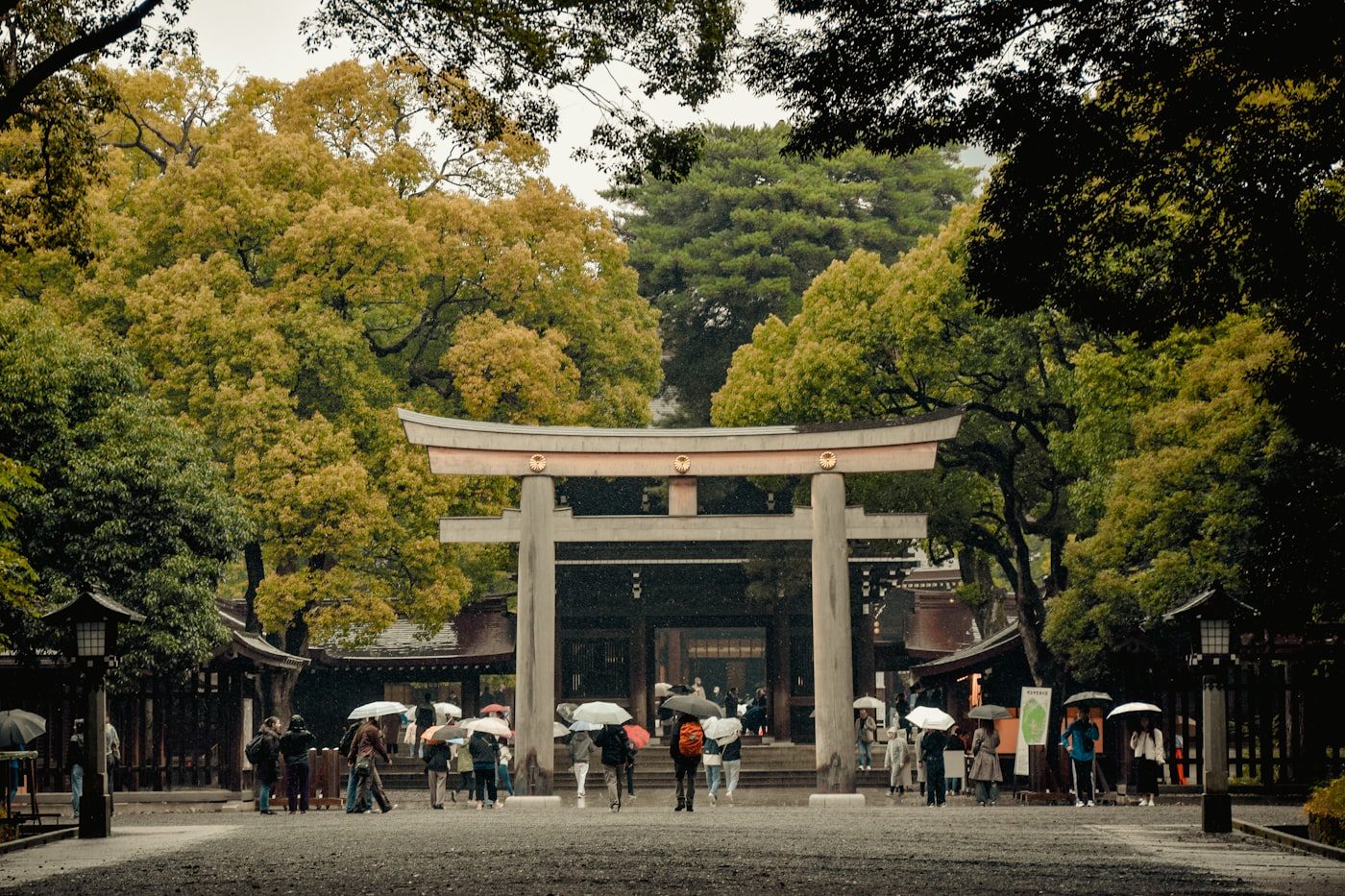
A large wooden torii gate among the trees at Meiji Jingū
The forested approach to Meiji Jingū.
A busy street corner in Harajuku, Tokyo
Harajuku’s youthful streets, minutes away.

Meiji Jingū, Yoyogi Park, Harajuku & Omotesandō

Best for A picnic, people-watching, fashion, architecture and an easy introduction to Tokyo Allow Half a day

Pick up a packed lunch, snacks and drinks from a bakery, convenience store or department-store food hall before entering Yoyogi Park.

Find a spot on the lawn and picnic among Tokyo residents exercising, walking dogs, rehearsing music and spending time with friends. Yoyogi is one of the best central Tokyo locations for observing everyday local life.

After lunch, walk through the forested grounds of Meiji Jingū, whose woodland separates some of Tokyo’s busiest districts. From there, choose between the youthful fashion and small stores of Harajuku or continue into Omotesandō for Japanese designer shops, galleries, cafés and contemporary architecture.

Suggested plan

Meiji Jingū in the morning, a picnic in Yoyogi Park around lunch and Harajuku or Omotesandō during the afternoon.

View area on Google Maps ↗
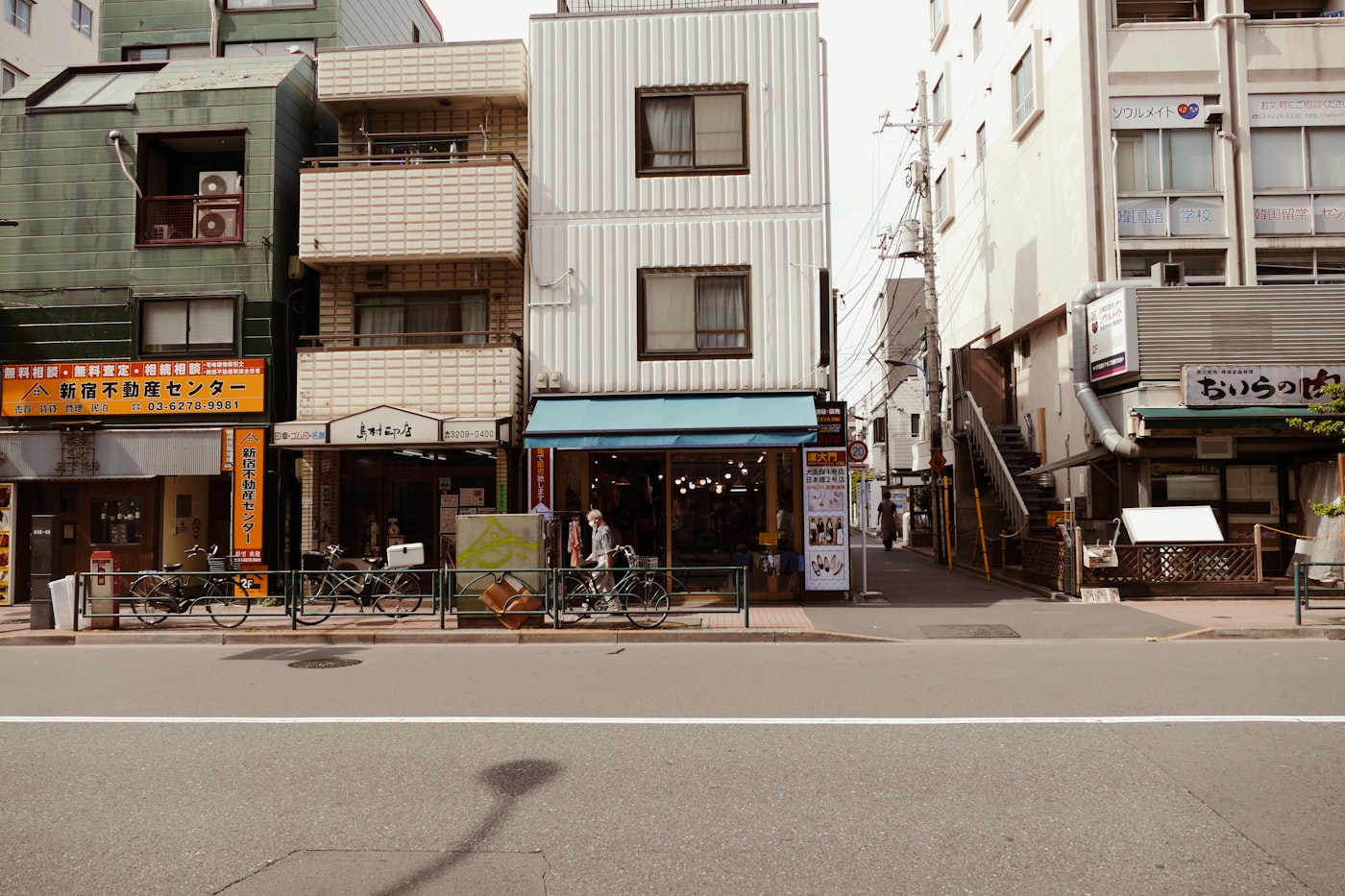
A traditional low-rise shopping street in old Tokyo 03

Yanaka, Nezu & Sendagi

Best for Old Tokyo, quiet streets, neighbourhood cafés and traditional shopping Allow Three to five hours

This is one of the best areas for guests who want to experience Tokyo without skyscrapers, giant crossings or major tourist attractions.

Start near Nezu Shrine, then wander the residential streets connecting Nezu, Sendagi and Yanaka. The neighbourhoods retain narrow lanes, wooden homes, small temples, traditional sweet shops, coffee houses and local izakayas.

Finish at Yanaka Ginza, a traditional shopping street where residents still buy vegetables, fish, tea, sweets and prepared food from small independent businesses. Pick up croquettes, wagashi or other snacks and watch the neighbourhood activity from the steps overlooking the street.

Suggested plan

Begin at Nezu Shrine after breakfast, wander without following an exact route, have coffee in an old house and finish at Yanaka Ginza in the afternoon.

View area on Google Maps ↗
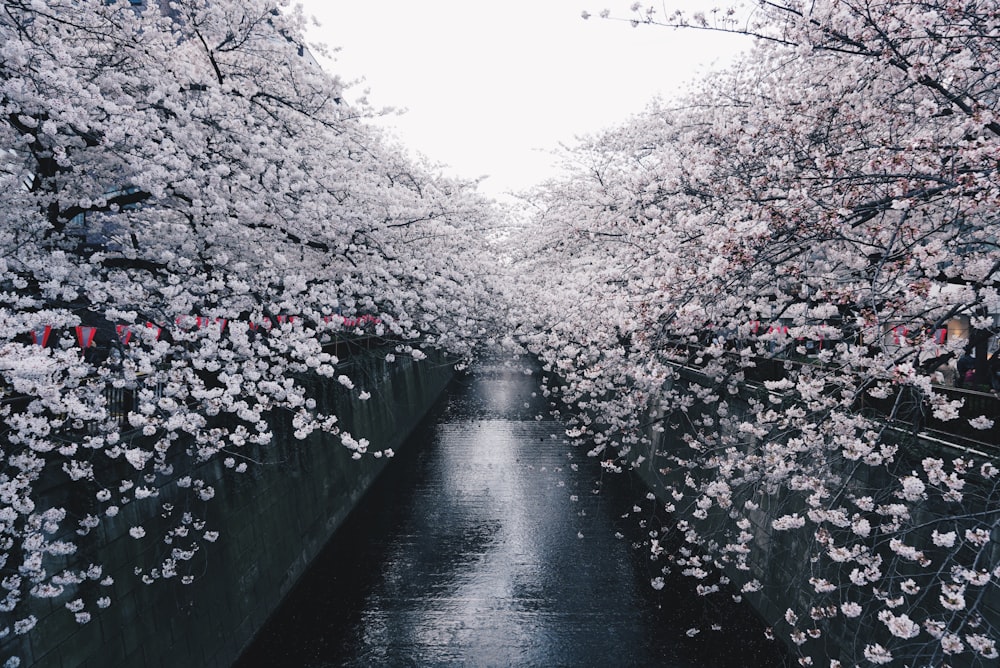
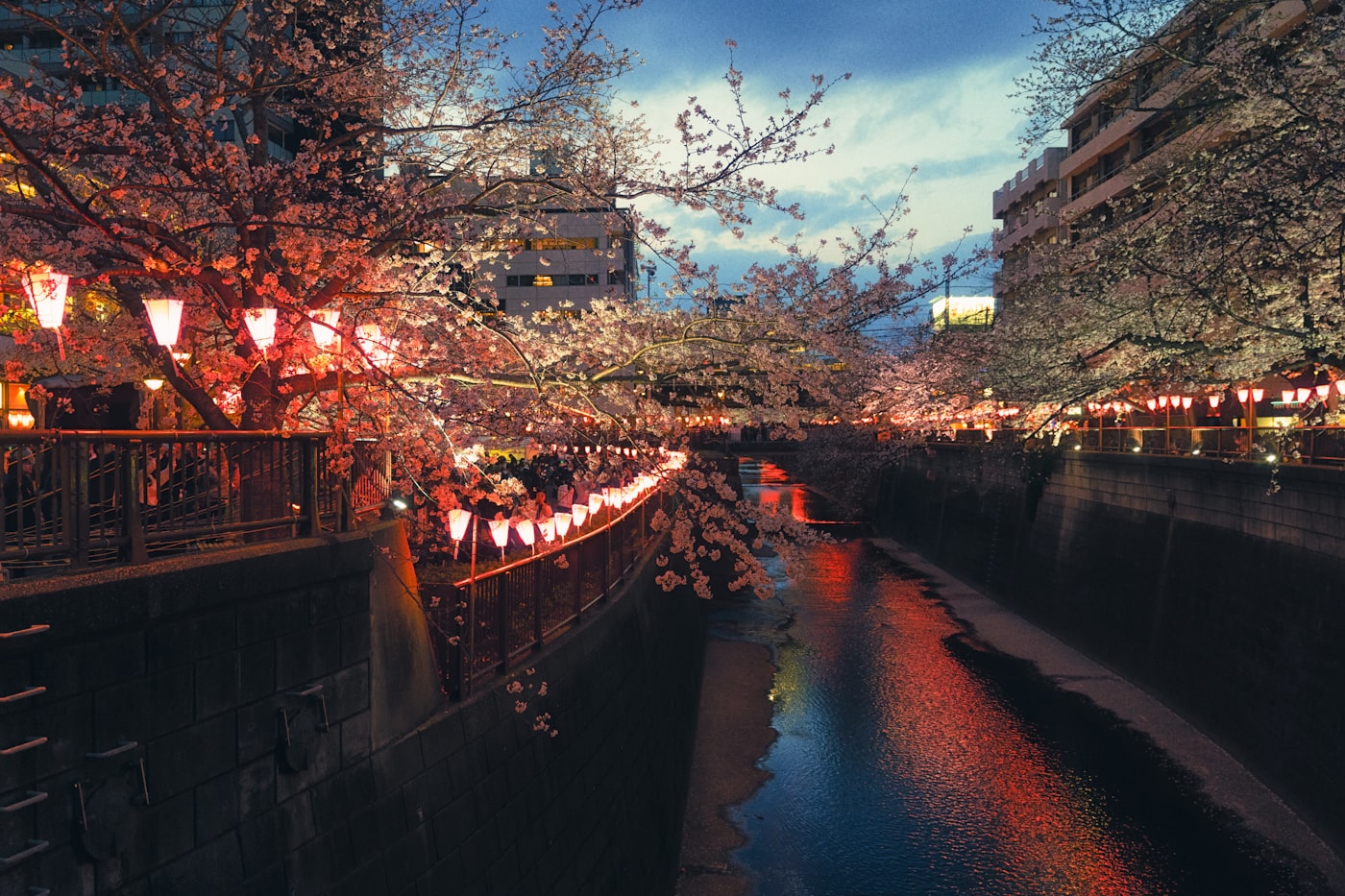
The cherry-tree-lined Meguro River canal in Nakameguro 04

Daikanyama, Nakameguro & Ebisu

Best for Stylish cafés, independent shopping, riverside walking and drinks Allow Afternoon through dinner

Begin in Daikanyama, one of Tokyo’s most polished residential neighbourhoods, and explore its side streets, fashion boutiques, bookstores and cafés.

From there, walk downhill toward Nakameguro and follow the Meguro River. The surrounding streets contain independent clothing stores, interior-design shops, bakeries, coffee shops and casual restaurants.

Continue beneath the railway through Nakameguro Kōkashita, or follow the river onward to Ebisu for dinner and drinks. The three neighbourhoods are close enough to combine naturally without spending the afternoon on trains.

Suggested plan

Have a late lunch in Daikanyama, walk and shop along the river in Nakameguro, and finish with dinner and drinks in Ebisu.

View area on Google Maps ↗
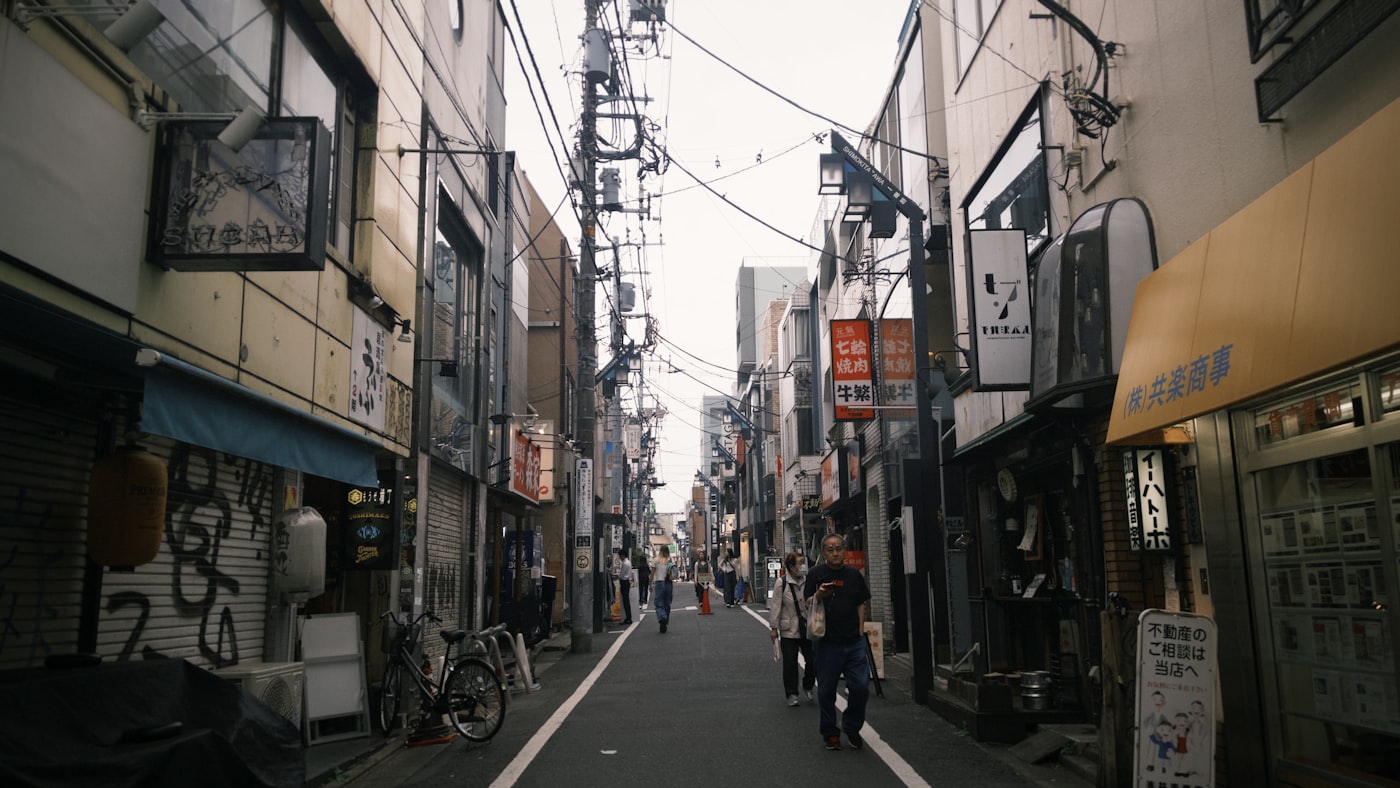
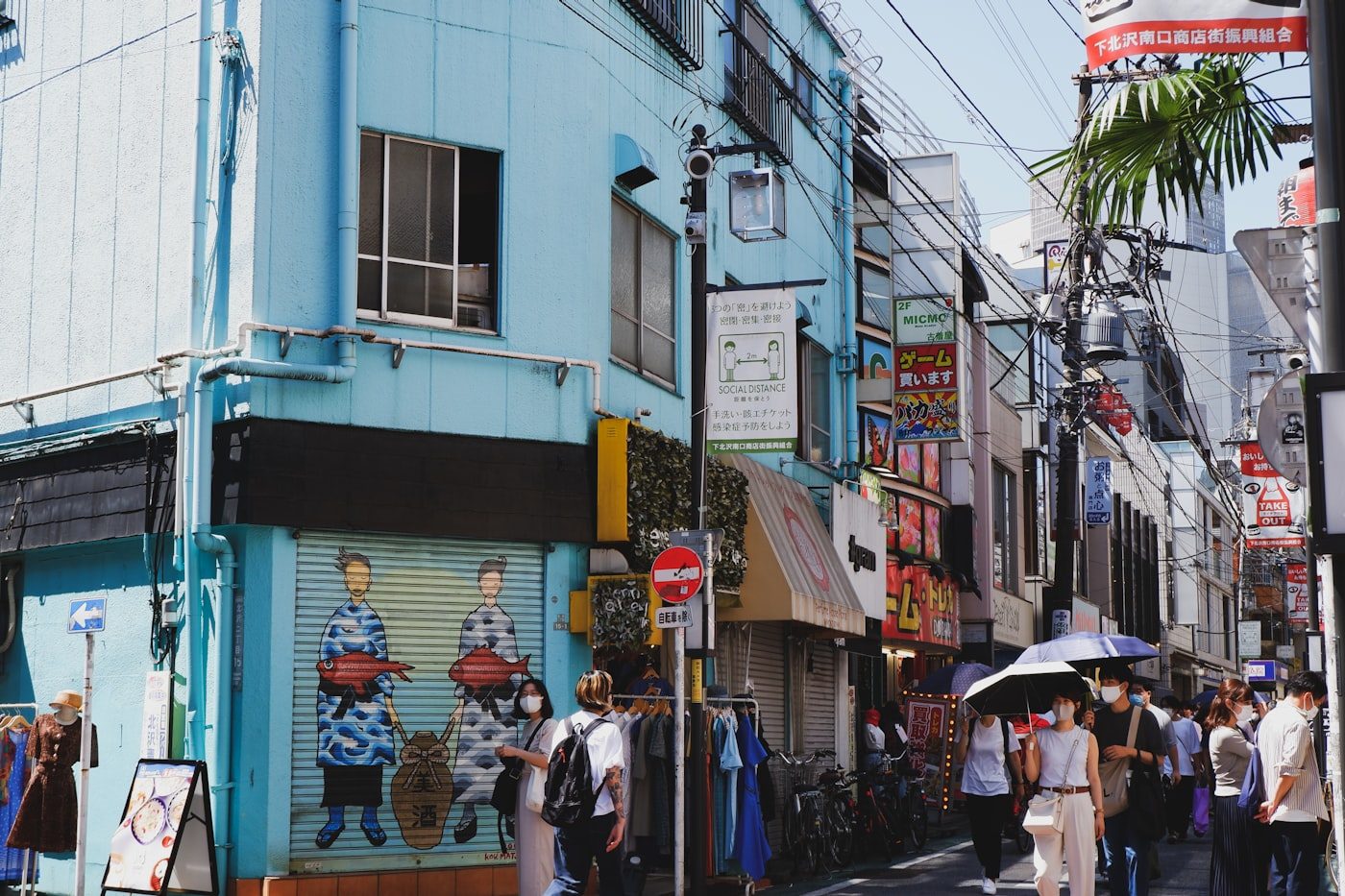
A narrow street lined with independent shops in Shimokitazawa 05
A colourful street corner in Shimokitazawa, Tokyo
Shimokitazawa’s laid-back streets.
A lantern-lit shopping arcade in Shimokitazawa at night
The lanes come alive with bars and music after dark.

Shimokitazawa

Best for Vintage clothing, records, live music and a casual night out Allow Late afternoon and evening

Shimokitazawa feels more relaxed and independent than central Shibuya or Shinjuku.

Spend the afternoon browsing vintage stores, Japanese streetwear, bookshops, vinyl stores and small galleries. It is one of Tokyo’s leading destinations for thrifting while maintaining strong connections to music, theatre and independent culture.

Stay into the evening for curry, yakitori or ramen before moving through the neighbourhood’s small standing bars, craft-beer venues and live-music spaces. It is especially good for groups that want an evening out without the intensity of Shinjuku or Roppongi.

Suggested plan

Arrive after 2:00 p.m., shop through the afternoon, have an early casual dinner and then choose bars or live music based on what looks interesting.

View area on Google Maps ↗
Lively restaurant and bar streets illuminated at night in Akasaka, Tokyo 06
A dimly lit cocktail bar counter in the evening
Akasaka is full of discreet cocktail and wine bars.
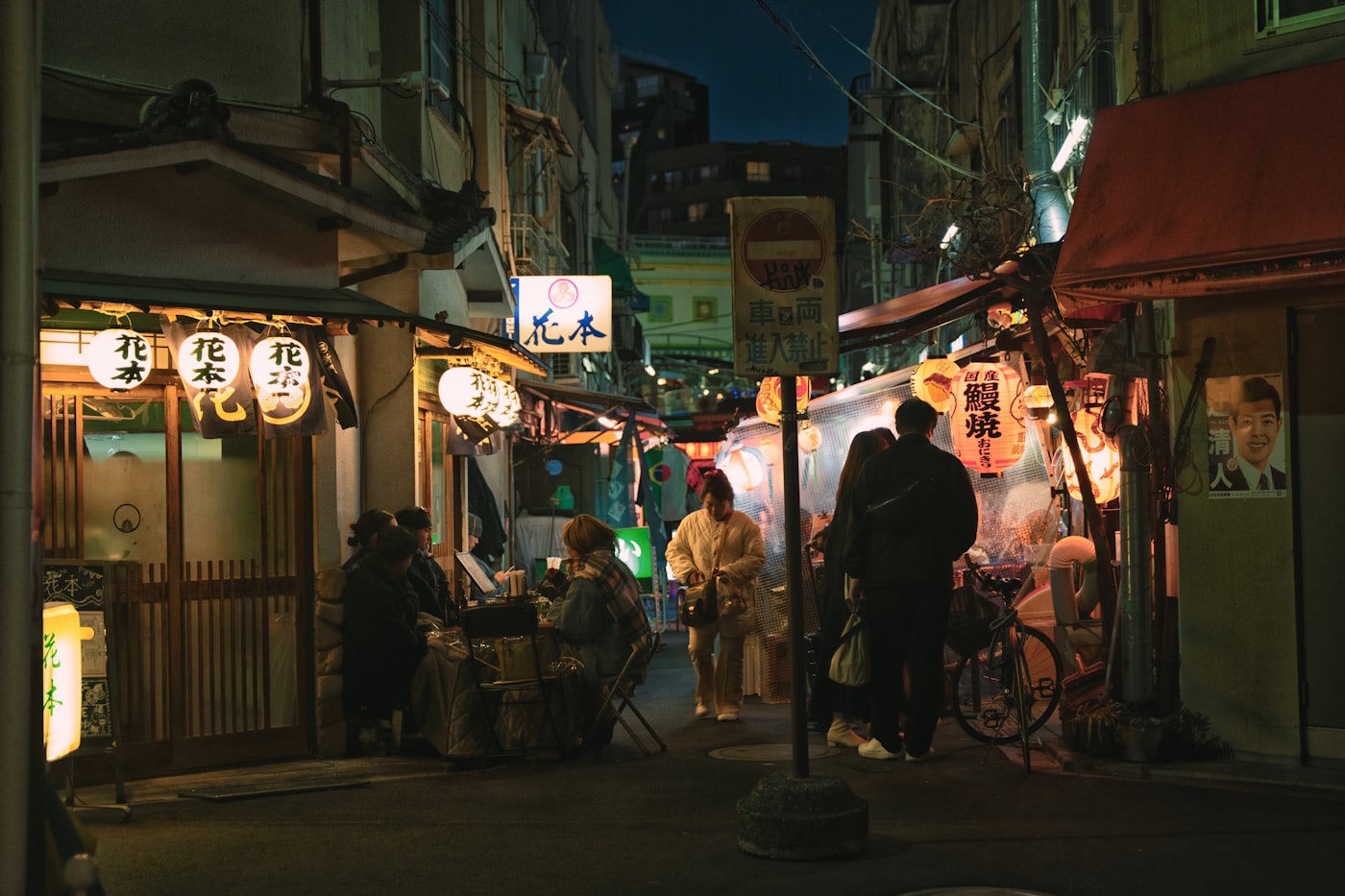
A Tokyo backstreet of izakayas glowing at night
Atmospheric backstreets made for bar-hopping.
Best after dark

Akasaka & Akasaka-Mitsuke

Best for Refined restaurants, cocktail bars, wine bars, jazz and a lively but sophisticated evening out Allow Late afternoon through late evening
  • Hitotsugi-dōri
  • Misuji-dōri
  • Esplanade Akasaka

Akasaka offers a more polished, grown-up night out than many of Tokyo’s larger entertainment districts. The neighbourhood combines shrines and modern architecture with refined Japanese restaurants, intimate izakayas, sushi counters, wine bars, cocktail lounges and jazz clubs.

Begin in the late afternoon around Hie Shrine, a peaceful contrast to the surrounding business and entertainment district, then walk toward Akasaka Sacas and the streets connecting Akasaka Station with Akasaka-Mitsuke Station.

After dark, focus on the three principal dining and entertainment streets — and their surrounding lanes, a dense and walkable collection of restaurants and bars. The backstreets are especially atmospheric, mixing traditional restaurants, discreet fine dining, small bars, jazz clubs, casual izakayas and late-night noodle shops.

Rather than settling in one place for the whole evening, Akasaka is best experienced by moving between several: start with a drink, continue to a nicer restaurant for dinner, then explore until you find a cocktail bar, wine bar or jazz venue that suits the group. It draws Tokyo professionals, residents, diplomats and visitors — plenty of energy without the intensity of Shinjuku or the club-focused feel of Roppongi.

An evening in Akasaka

  1. 5:00 pm Explore Akasaka Visit Hie Shrine, walk the surrounding streets, or explore the area around Akasaka Sacas.
  2. 6:00 pm First drink Choose a wine bar, sake bar, cocktail bar or hotel lounge near Hitotsugi-dōri.
  3. 7:30 pm Dinner Book a nicer sushi, kaiseki, wagyu, tempura or contemporary Japanese restaurant around Misuji-dōri.
  4. 9:30 pm Bar hopping Explore the smaller cocktail bars, jazz venues and lounges around Esplanade Akasaka and Akasaka-Mitsuke.

Akasaka’s best restaurants and smaller bars can be discreet and may have limited seating. Reservations are recommended for dinner, while the later part of the evening is best left flexible so you can explore the surrounding streets.

Suggested plan

Visit Hie Shrine in the late afternoon, have an aperitif near Hitotsugi-dōri, book a refined dinner around Misuji-dōri and finish with cocktails, wine or live jazz around Esplanade Akasaka. Those staying later can end at a small izakaya or ramen shop near Akasaka-Mitsuke Station.

View area on Google Maps ↗
A lively izakaya in Ebisu, Tokyo 07
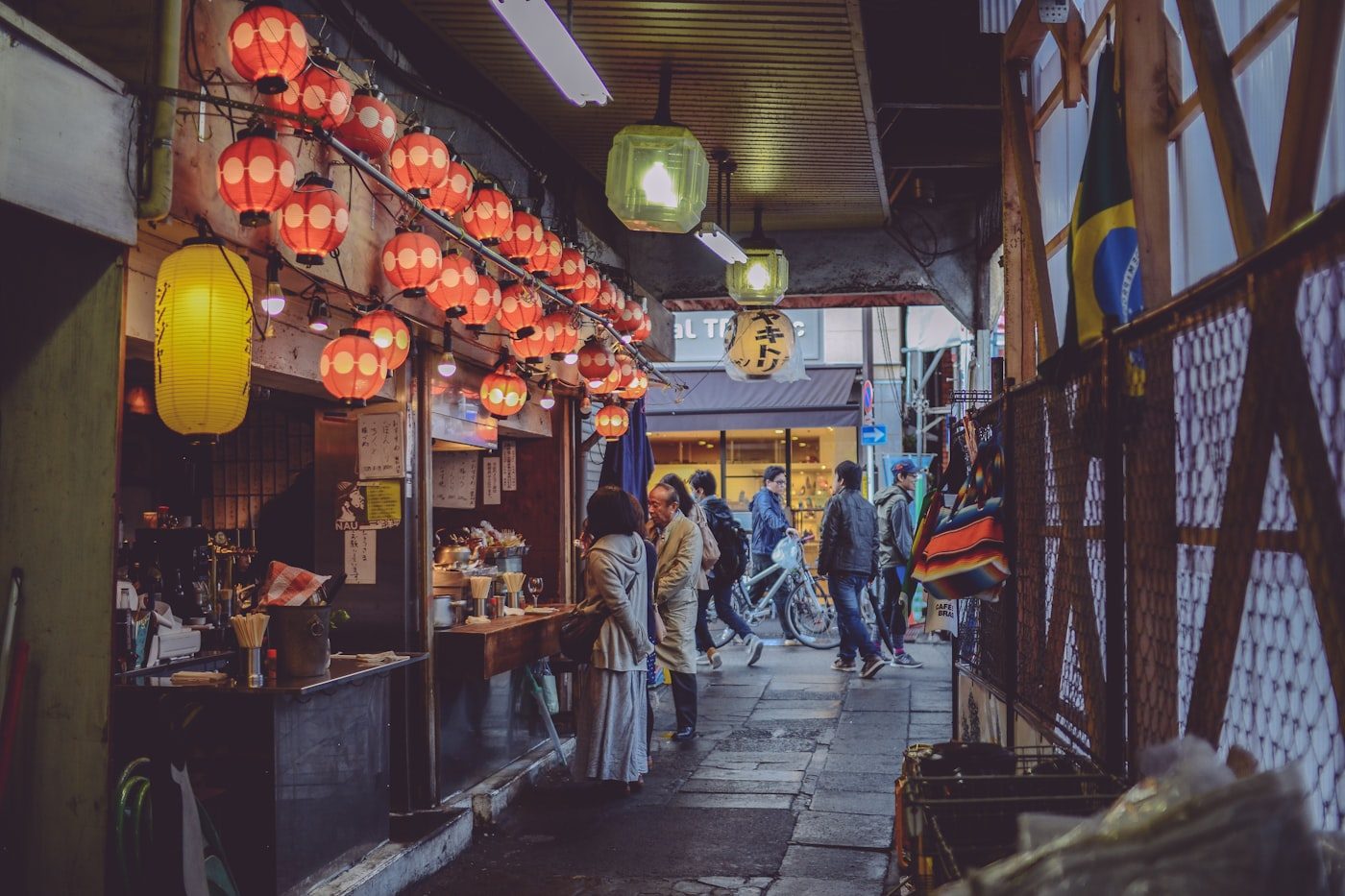
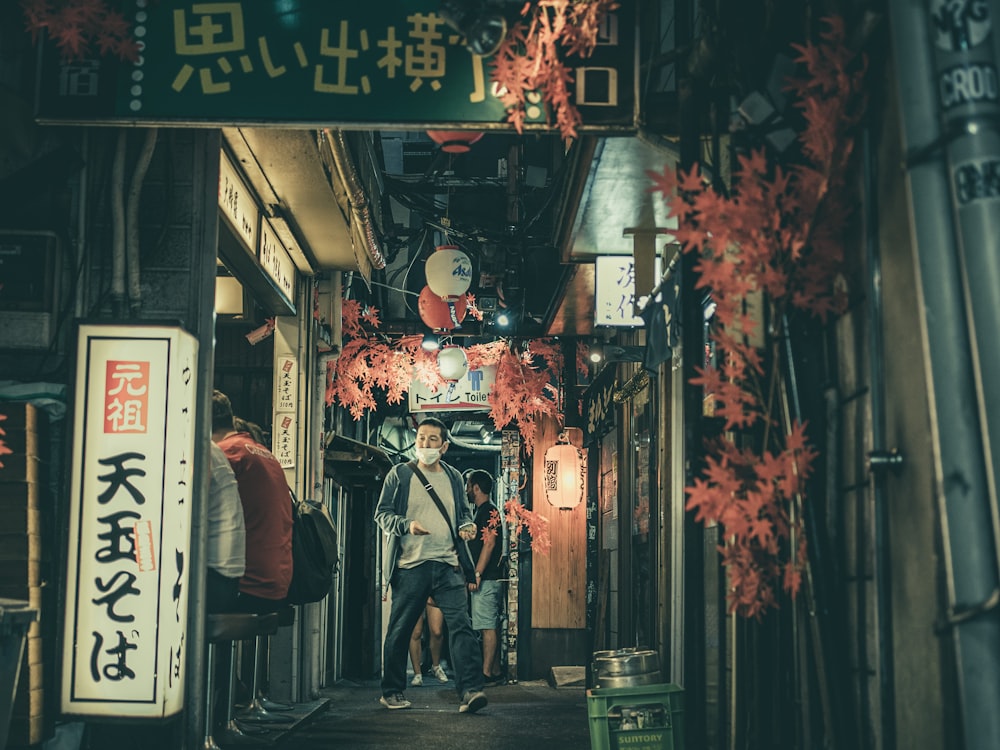
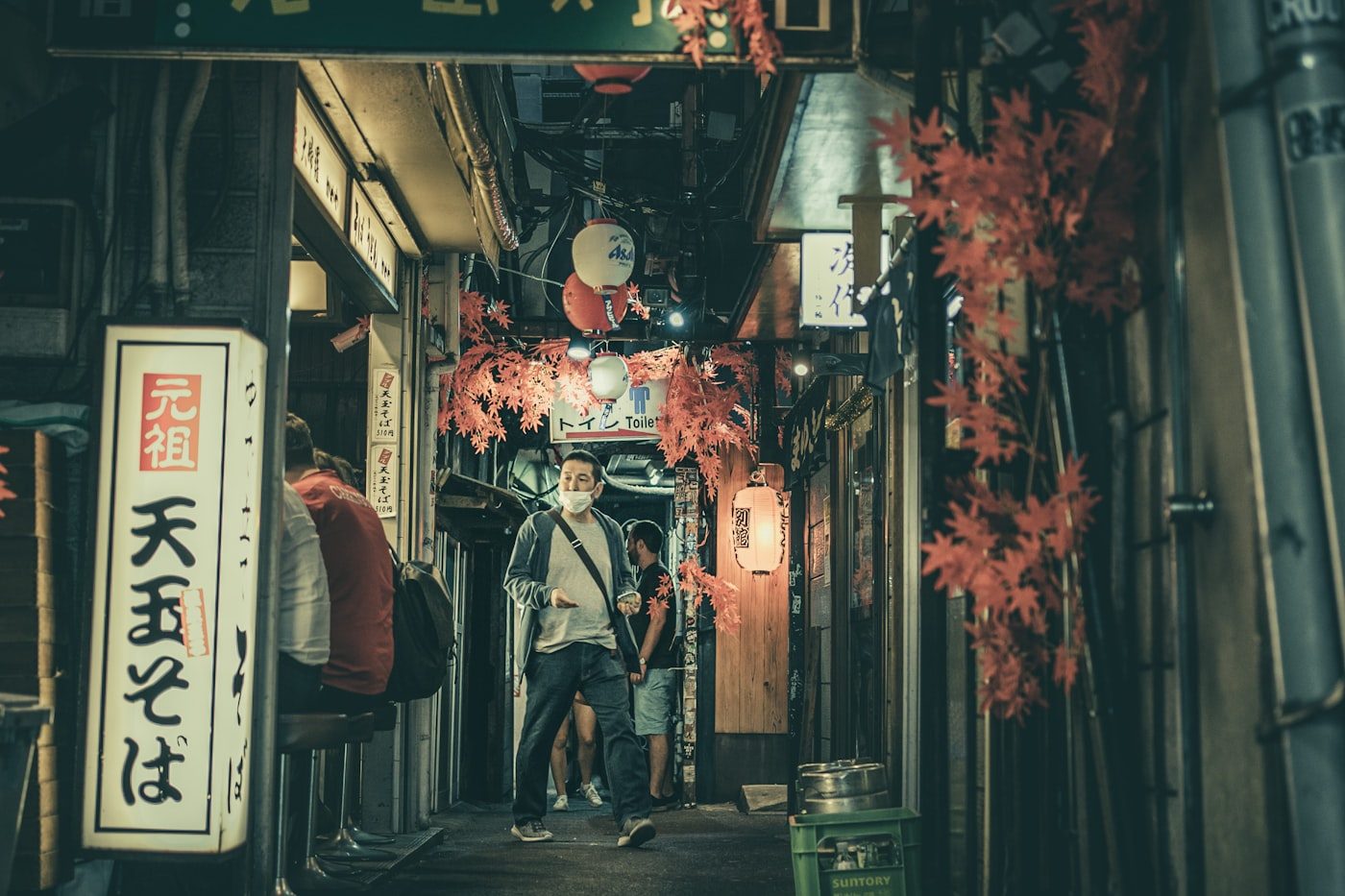
A narrow lantern-lit izakaya alley in Tokyo
Covered yokochō alleys of tiny bars and counters.
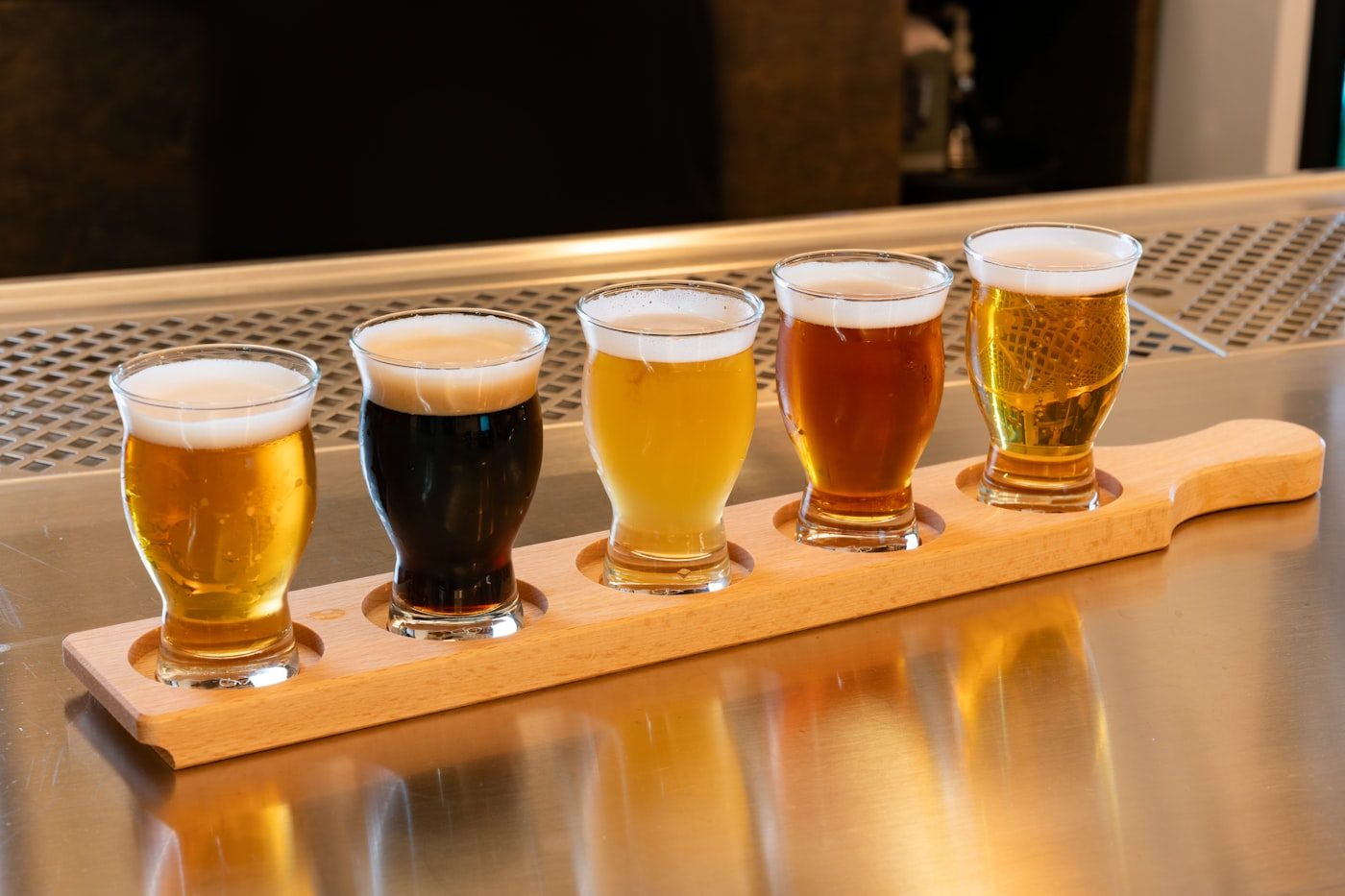
A flight of craft beers on a wooden paddle
Ebisu is dense with craft-beer bars.
Best after hours

Ebisu After Hours

Best for Craft beer, natural wine, cocktail bars, yokochō izakayas and a refined-but-relaxed night out Allow Evening onwards
  • Ebisu Yokochō
  • Bar TRENCH
  • Bar TRAM
  • Bar Martha
  • IBREW
  • JOLLYS

Ebisu is our favourite all-round drinking neighbourhood in Tokyo — dense with craft-beer bars, natural-wine spots, tiny cocktail dens and covered yokochō izakayas, but without the chaos of Shibuya or Shinjuku. A huge number of our saved Tokyo pins are clustered here.

The move is to start casual, eat well, then bar-hop on foot. Everything below is within a short walk, so you can follow your mood rather than a fixed plan.

An evening in Ebisu

  1. 6:00 pm First drink Start in Ebisu Yokochō, a covered alley of tiny bars and counters, for a drink and a few small plates.
  2. 7:30 pm Dinner Yakitori at Toriboshi or Ebisu Hinai-tei, sushi at Ebisu Sushi Hatsume, or oden under the tracks at Toridashioden Samon.
  3. 9:00 pm Craft beer Work through the taps at IBREW, TAP & TUMBLER, Yona Yona Beer Works or JOLLYS.
  4. 10:30 pm Cocktails & listening bars Finish at Bar TRENCH, Bar TRAM or the vinyl-focused Bar Martha.

Most of these are pinned on the Tokyo page’s “Eat, Drink & Explore” map — filter by Drink to plot your own route.

Suggested plan

Start with a drink and small plates in Ebisu Yokochō, have dinner at a yakitori or sushi counter, work through the craft-beer bars, and finish with cocktails at Bar TRENCH, TRAM or Martha.

View area on Google Maps ↗
The Meguro River canal lit by lanterns in the evening in Nakameguro 08
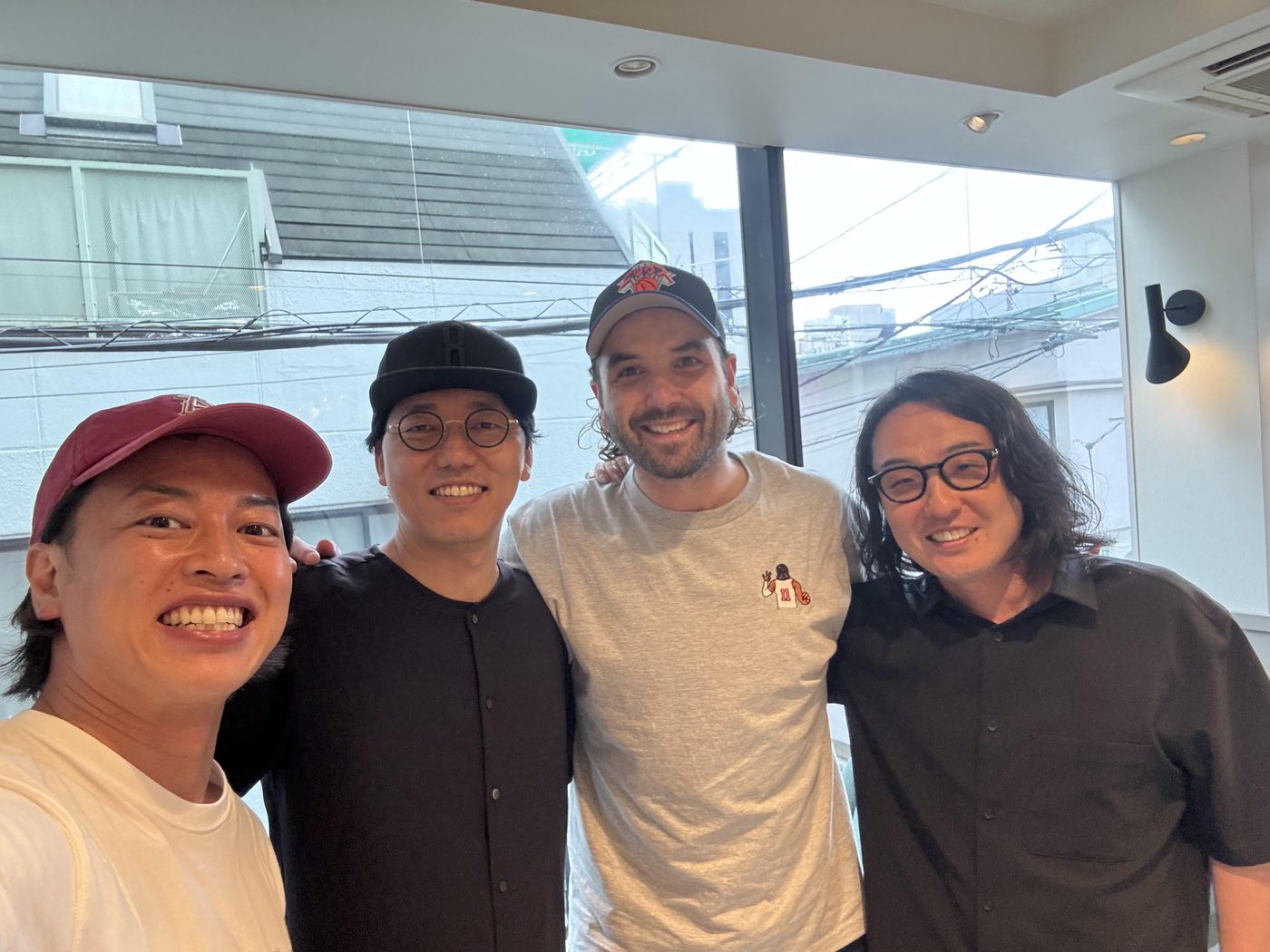
With Yusuke and friends at Bar Ate in Nakameguro, Tokyo
Saying hi to Yusuke at Bar Ate.
Best after hours

Nakameguro After Hours

Best for Canal-side bars, craft beer, listening bars and a stylish, low-key evening Allow Evening onwards
  • Bar Ate
  • Meguro River canal
  • Nakameguro Kōkashita
  • BAR Takkyu Lounge

Nakameguro trades Ebisu’s density for a calmer, more design-led evening. Bars line the Meguro River canal and tuck beneath the railway arches at Nakameguro Kōkashita — stylish, unhurried and made for a slow, drink-led night.

Be sure to stop by Bar Ate, owned by our friend Yusuke — grab a drink with Yusuke or a member of his fantastic team. It pairs naturally with Ebisu (one stop away) if you want to start quiet and move somewhere livelier later, or the reverse.

An evening in Nakameguro

  1. 6:30 pm Canal-side aperitif Grab a drink along the Meguro River as the lights come on and the canal empties out.
  2. 8:00 pm Dinner Eat at one of the Kōkashita under-the-tracks restaurants or a small canal-side bistro.
  3. 9:30 pm A drink at Bar Ate Stop in at Bar Ate, owned by our friend Yusuke, for a drink with Yusuke or one of his fantastic team.
  4. 10:30 pm Craft beer & lounge Settle in at BAR Takkyu Lounge for Japanese craft beers and a fun, friendly crowd.
  5. 11:30 pm Nightcap Finish at a small cocktail or listening bar tucked just off the canal.

Bar Ate is owned by our friend Yusuke — do drop in for a drink with him or his team. Yusuke and his wife Tomo will also be with us in Kyoto for the wedding.

Quieter and earlier than Ebisu — many spots wind down by midnight. These are pinned on the Tokyo page’s map too.

Suggested plan

Take a canal-side aperitif at dusk, have dinner under the tracks at Kōkashita, drop by Bar Ate to see Yusuke, settle in for craft beer at Takkyu Lounge, and finish with a nightcap off the canal.

View area on Google Maps ↗
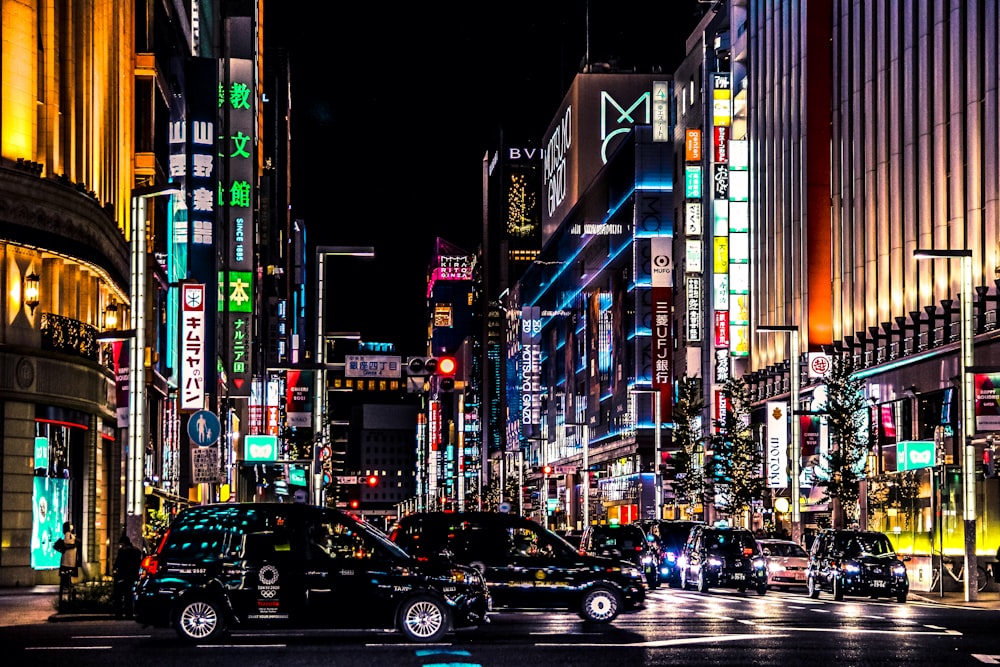
The illuminated shopping streets of Ginza, Tokyo 09
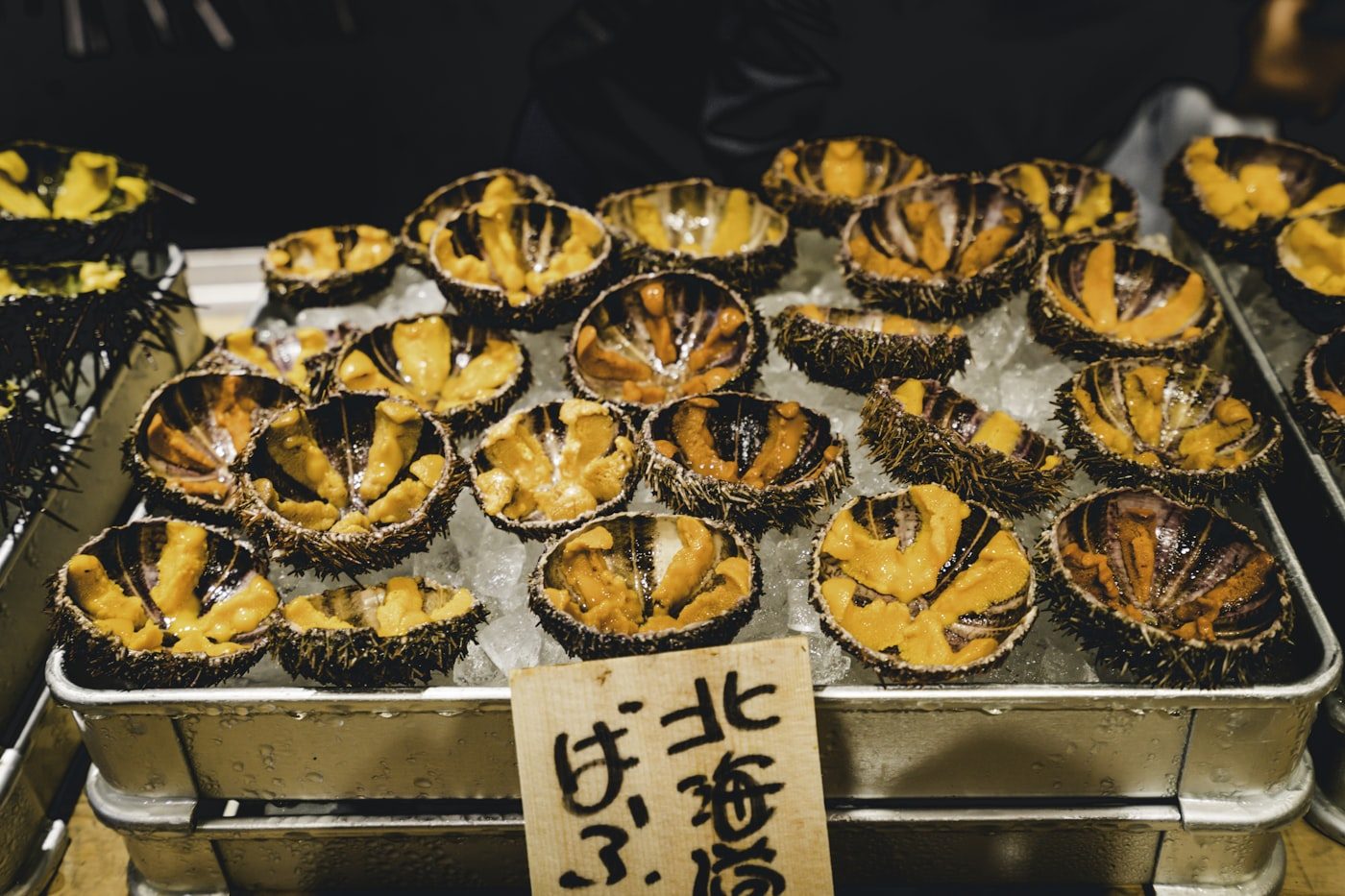
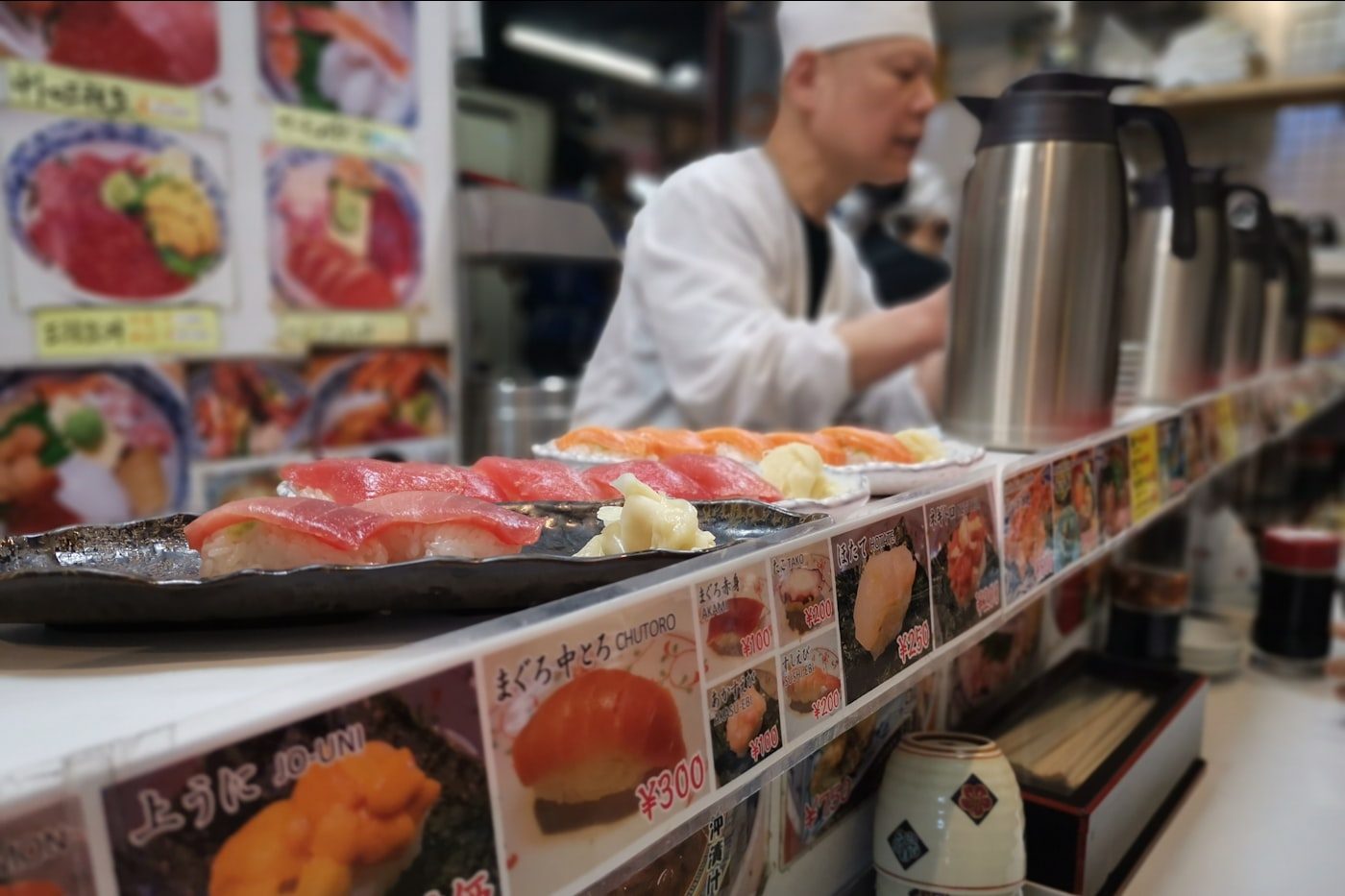
Food stalls at Tsukiji Outer Market, Tokyo
Start the morning at Tsukiji Outer Market.
A vendor and fresh seafood at Tsukiji Outer Market
A sushi breakfast before the shops open.
Best for shopping

Ginza & Tsukiji — Shopping

Best for Flagship stores, department-store food halls, stationery, tax-free shopping and a fresh-market morning Allow Half a day
  • Tsukiji Outer Market
  • Ginza Six
  • Itoya
  • Uniqlo flagship
  • Muji flagship
  • Mitsukoshi depachika

Ginza is Tokyo’s premier shopping district — flagship stores, grand department stores and quiet luxury along Chūō-dōri. For international visitors it is also one of the easiest places to shop tax-free, so bring your passport.

Start the morning a ten-minute walk away at Tsukiji Outer Market for a fresh sushi breakfast, tamagoyaki, street snacks and Japanese knives (Aritsugu), then walk into Ginza as the stores open.

The highlights: Ginza Six (six floors of retail plus a rooftop garden), the twelve floors of Itoya stationery, the flagship Uniqlo, GU and Muji stores, and the grand Mitsukoshi and Matsuya department stores — whose basement depachika food halls are a destination in themselves. Design lovers should add Dover Street Market Ginza and Ginza Tsutaya for art books.

A shopping day in Ginza

  1. 9:00 am Tsukiji Outer Market Sushi breakfast, tamagoyaki, street snacks and knife shopping before the crowds build.
  2. 11:00 am Chūō-dōri flagships Work the main street — Uniqlo, GU, Muji and the twelve floors of Itoya stationery.
  3. 1:00 pm Depachika lunch Graze the basement food halls at Mitsukoshi or Matsuya for lunch and edible souvenirs.
  4. 2:30 pm Ginza Six & design Finish at Ginza Six and Dover Street Market, with a break in the rooftop garden.

Bring your passport for tax-free shopping. On weekend afternoons Chūō-dōri closes to traffic for “Hokōsha Tengoku”, a pedestrian promenade down the middle of Ginza.

Suggested plan

Open the day at Tsukiji Outer Market for a sushi breakfast, walk into Ginza for the Chūō-dōri flagships and Itoya, graze a department-store depachika for lunch, and finish at Ginza Six.

View area on Google Maps ↗
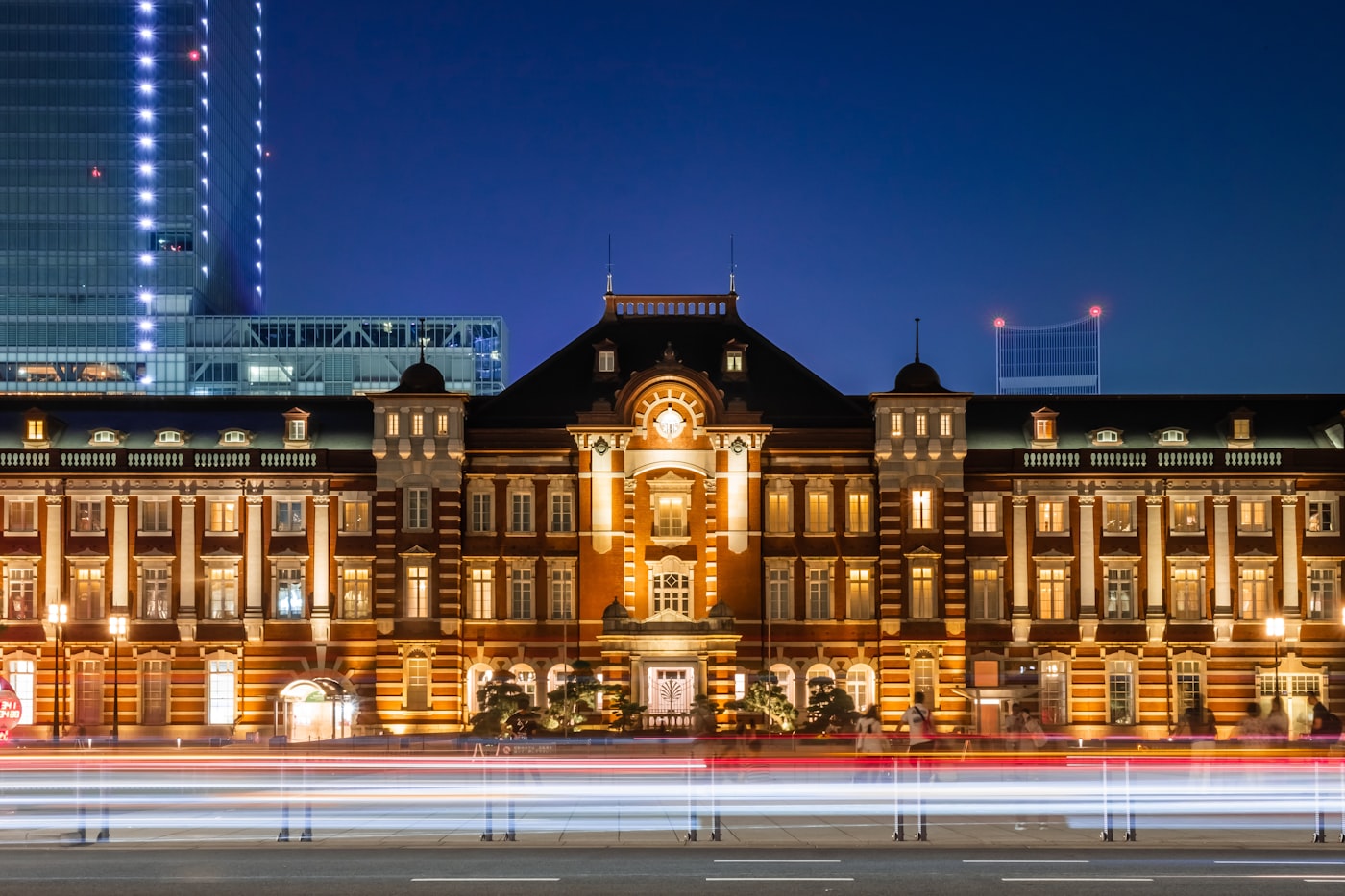
The historic red-brick Marunouchi facade of Tokyo Station illuminated at dusk 10
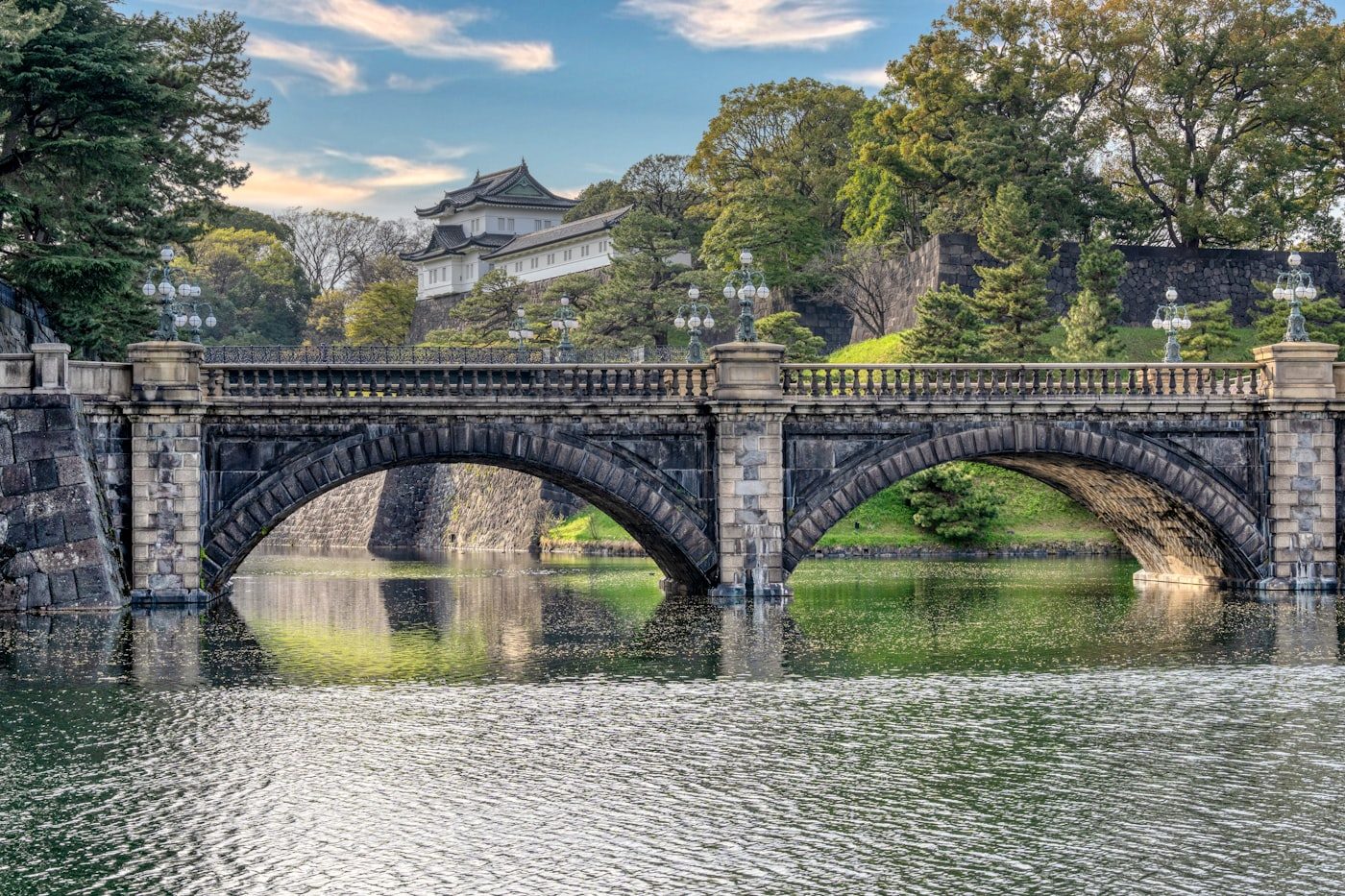
The Nijūbashi bridge and stone ramparts of the Imperial Palace, Tokyo
The Imperial Palace, a short walk from the station.
Easy central half-day

Tokyo Station & the Imperial Palace

Best for Historic architecture, the Imperial Palace gardens, depachika food, Character Street and central shopping Allow Half a day

Tokyo Station’s beautifully restored 1914 red-brick Marunouchi building is a sight in itself, and it sits right beside the Imperial Palace — a flat, easy, thoroughly central half-day.

Inside and beneath the station, explore Tokyo Character Street (anime and character shops), Tokyo Ramen Street and the enormous depachika food halls; above ground, KITTE and the tree-lined Marunouchi avenues add design shops and a rooftop view back at the station.

A short walk west, the Imperial Palace East Gardens are free to enter — moats, massive stone ramparts and open lawns on the former grounds of Edo Castle.

A central half-day

  1. 9:30 am Imperial Palace East Gardens Walk the moats, ramparts and the old Edo Castle keep foundation (free; closed Mon & Fri).
  2. 11:30 am Marunouchi & KITTE Tree-lined avenues, design shops and a rooftop view over the station building.
  3. 12:30 pm Tokyo Station food Lunch at Tokyo Ramen Street or graze the depachika beneath the station.
  4. 2:00 pm Character Street & facade Browse Tokyo Character Street and souvenir floors, then admire the restored red-brick facade.

The Imperial Palace inner grounds require advance tour booking, but the East Gardens are free and open to walk-ins (closed Mondays and Fridays).

Suggested plan

Start in the free Imperial Palace East Gardens, walk back through Marunouchi and KITTE, have lunch at Tokyo Ramen Street or the depachika, and finish with Character Street and the station facade.

View area on Google Maps ↗

Beyond the city

Day Trips from Tokyo

Tokyo is an excellent starting point for several very different excursions — historic temple towns, major samurai sites, coastal scenery and a modern harbour city. These range from easy, flexible outings to longer trips that need an early start.

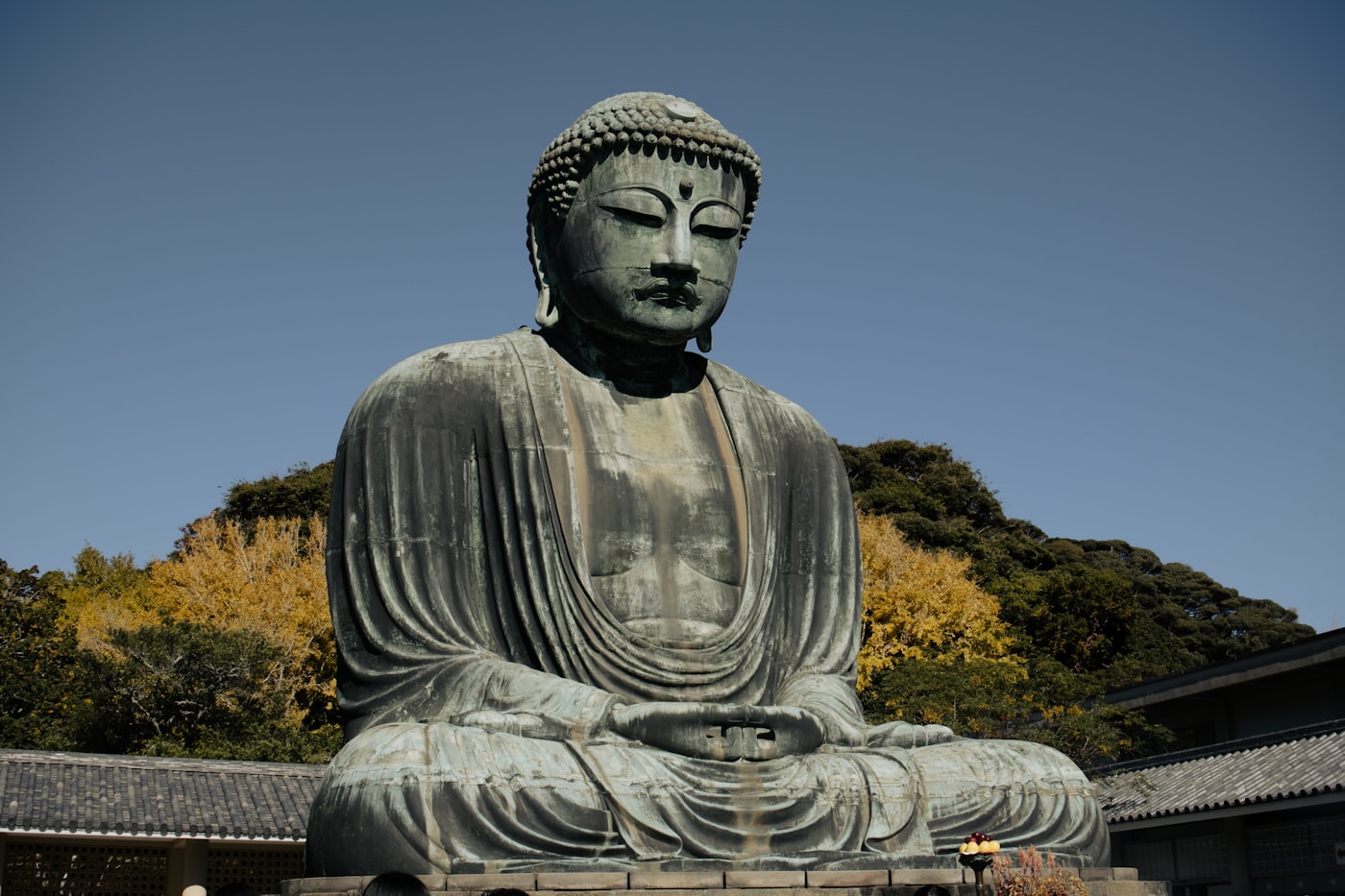
Great Buddha of Kamakura surrounded by trees in Kanagawa 11
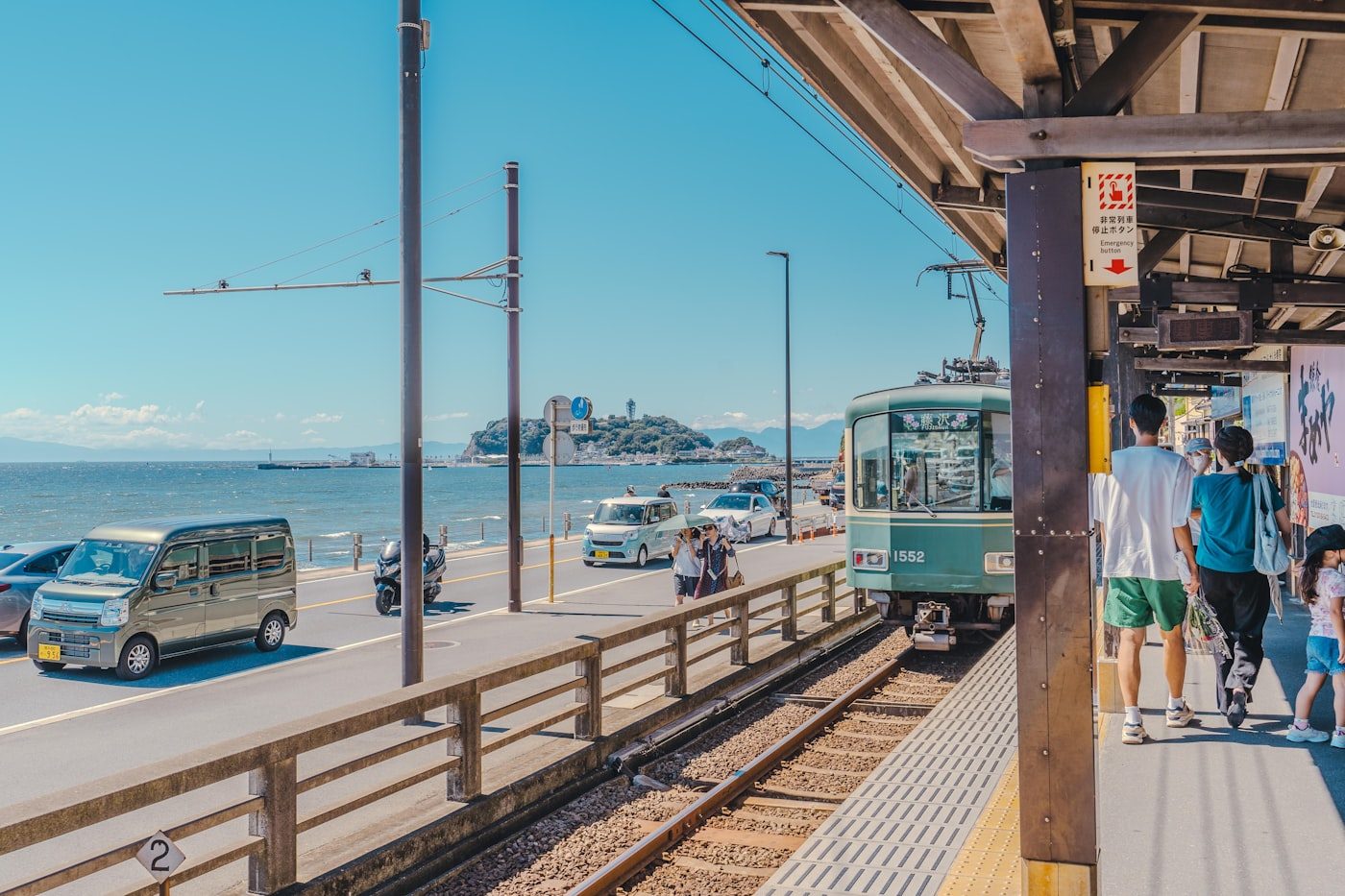
The Enoden railway running beside the coast near Kamakura
The Enoden line traces the coast toward Enoshima.
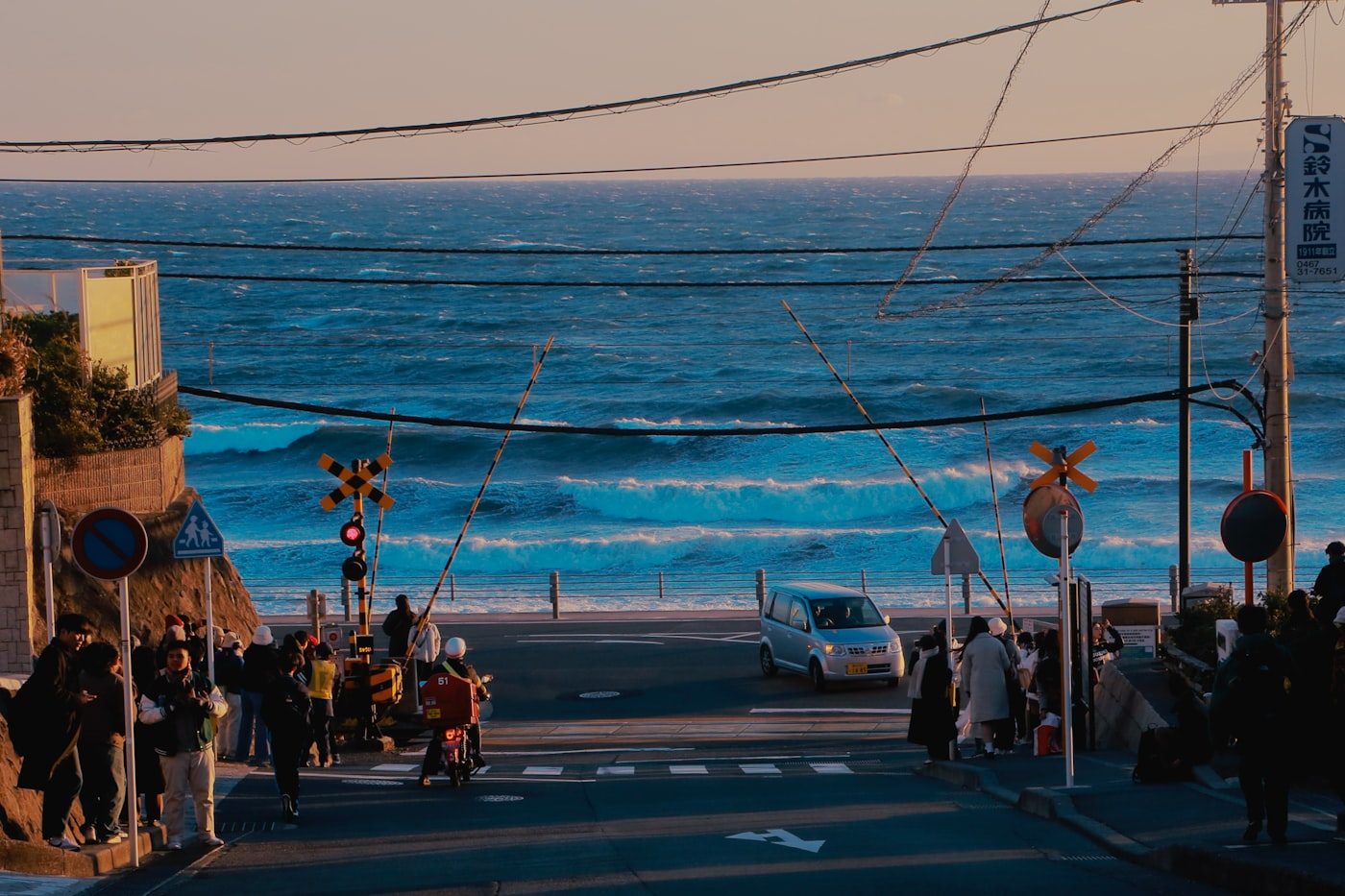
The seaside road along the Kamakura coastline
The relaxed coast beyond the temples.
Best overall day trip

Kamakura & Enoshima

Best for Historic temples, traditional streets, coastal scenery, cafés and a relaxed change of pace from Tokyo Allow A full day Travel time ~1 hour from central Tokyo

Kamakura is one of the strongest all-around day trips from Tokyo. The former political centre combines important temples, wooded hills, traditional shopping streets and a relaxed coastal atmosphere.

Begin in Kita-Kamakura, where historic Zen temples sit among wooded hills, then continue into central Kamakura to explore Komachi-dōri and visit Tsurugaoka Hachimangū.

During the afternoon, travel toward Hase to visit the Great Buddha and explore the surrounding temples, cafés and residential streets. Guests with time and energy can continue aboard the Enoden railway toward Enoshima and the coastline — an optional extension rather than a required part of the day.

The trip works well in early October because it does not depend on peak foliage or a specific seasonal event.

A day in Kamakura

  1. 9:00 am Kita-Kamakura Visit one or two wooded Zen temples before the busiest part of the day.
  2. 11:30 am Central Kamakura Explore Komachi-dōri, visit Tsurugaoka Hachimangū and stop for lunch.
  3. 2:00 pm Hase & the Great Buddha Visit the Great Buddha and explore the nearby temples and cafés.
  4. 4:30 pm Optional Enoshima extension Continue aboard the Enoden railway for coastal scenery, drinks or sunset if the weather and timing are favourable.

Kamakura and Enoshima cover a large area. Guests who prefer a slower day should focus on Kita-Kamakura, central Kamakura and Hase — Enoshima is best treated as an optional late-afternoon extension.

Suggested plan

Begin in Kita-Kamakura, continue to central Kamakura for lunch and Tsurugaoka Hachimangū, visit the Great Buddha in Hase, and optionally finish near Enoshima or the coast.

View area on Google Maps ↗
Ornately decorated buildings at Tōshō-gū Shrine in Nikkō 12
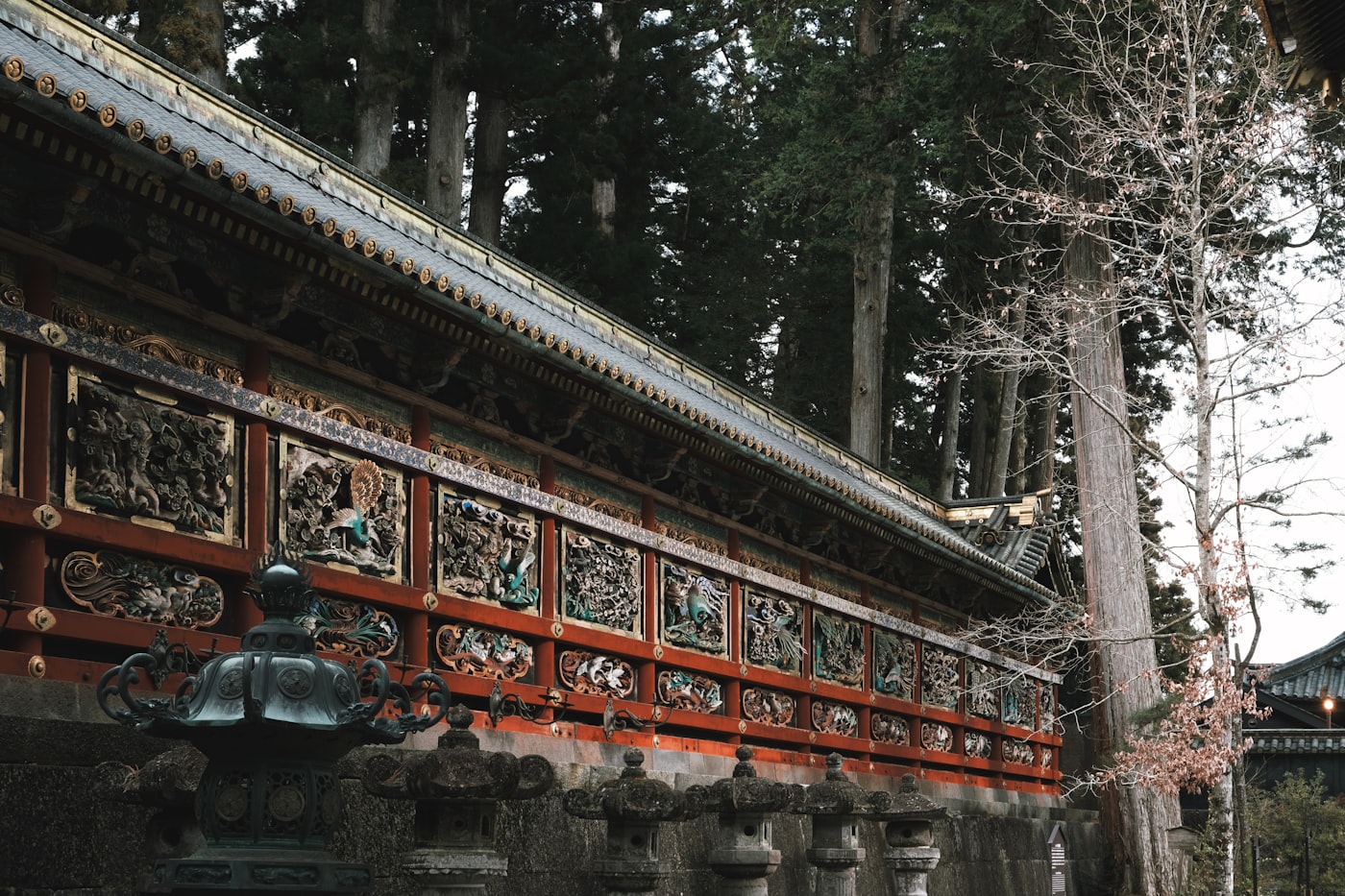
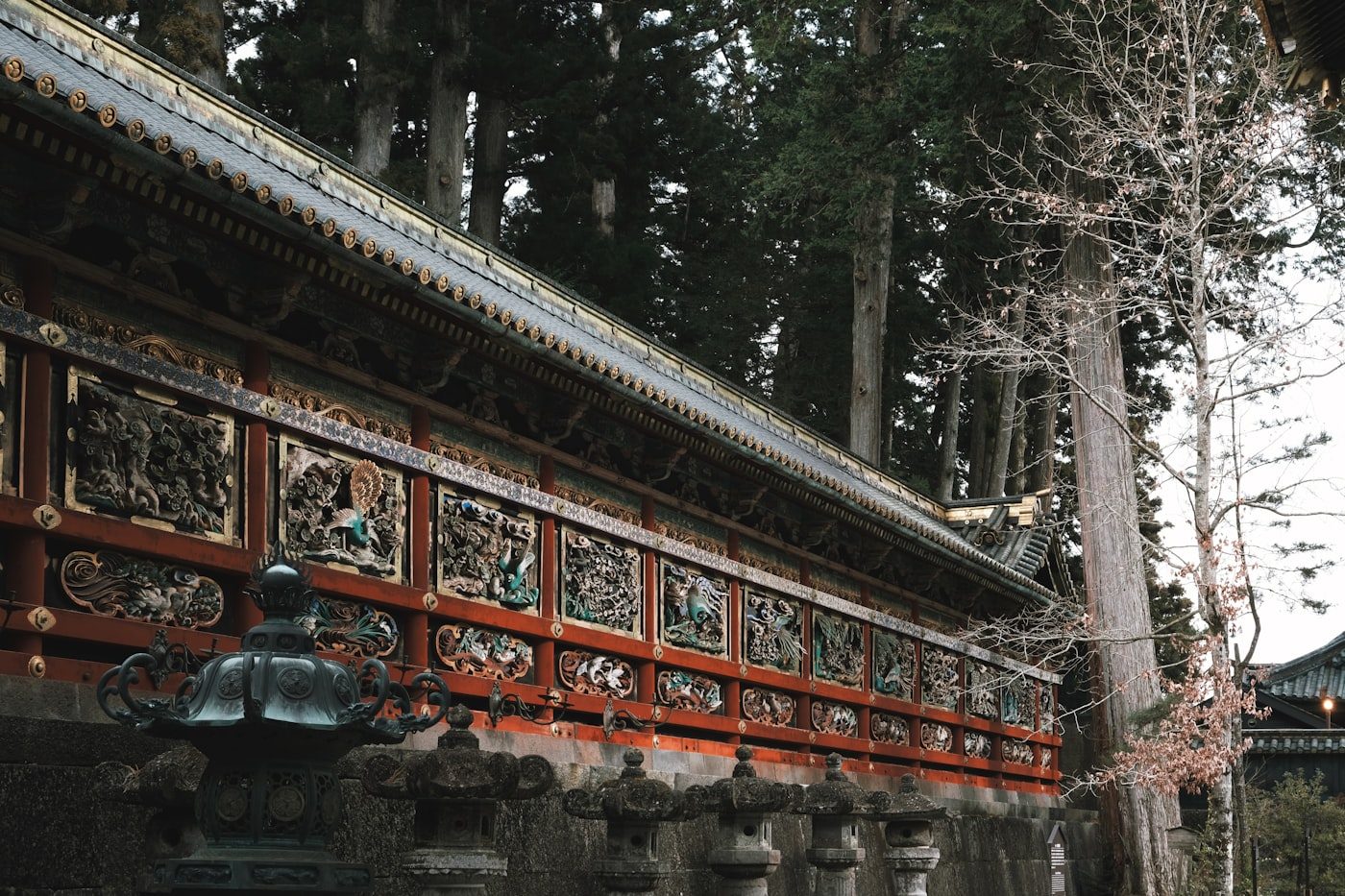
Ornate gold and carved detail at Tōshō-gū Shrine, Nikkō
Tōshō-gū’s elaborate carvings and gilded gates.
A cedar-lined forest path in the mountains of Nikkō
Towering cedar forest surrounds the shrines.
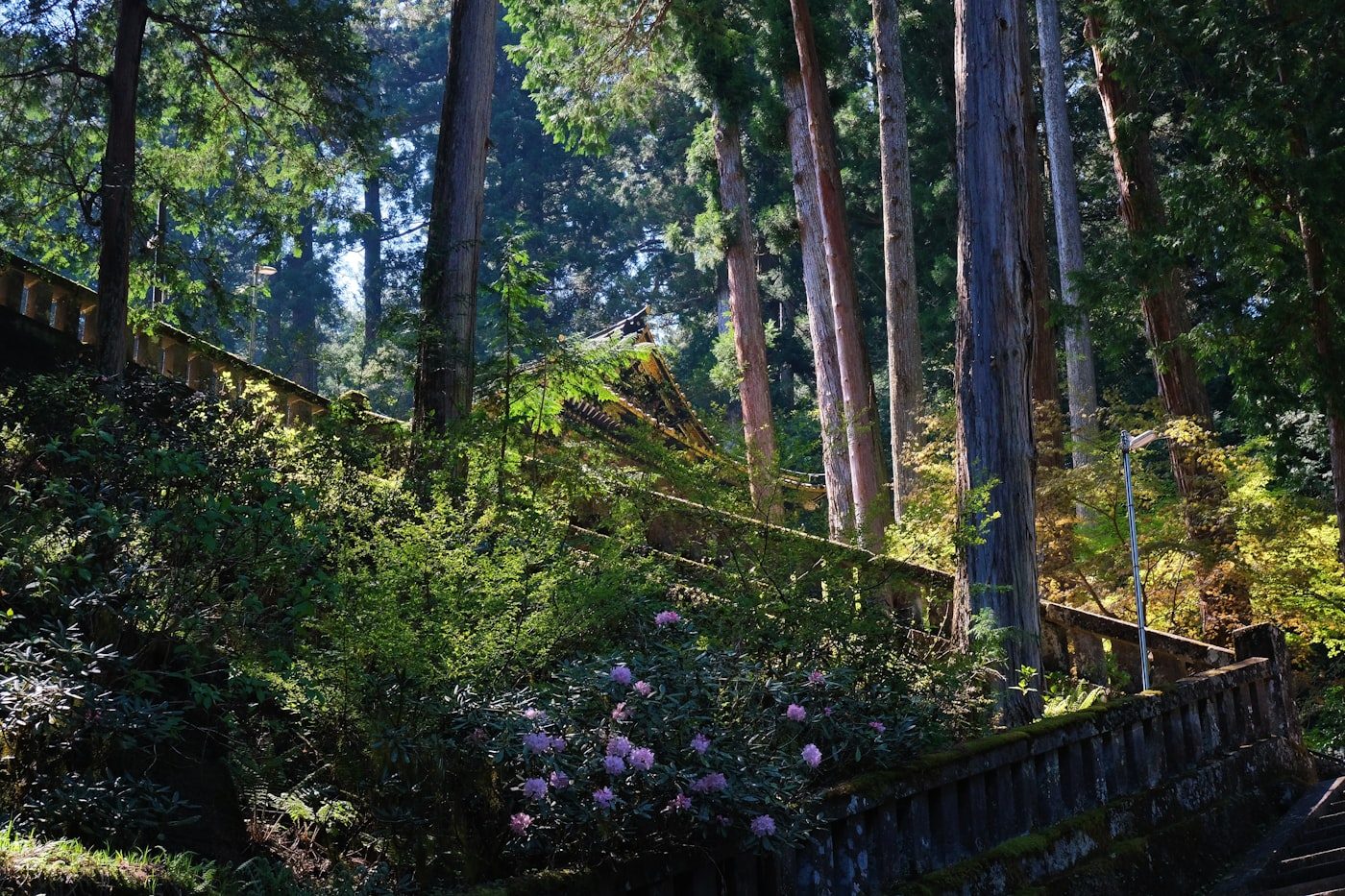
Best for history & architecture

Nikkō

Best for Tokugawa history, ornate shrines, cedar forests and major traditional architecture Allow A long full day Travel time ~2 hours each way

Nikkō is a mountain town north of Tokyo known for its elaborate shrine and temple complex associated with the Tokugawa shogunate. The principal historic sites are concentrated in a relatively compact district and offer a very different architectural experience from the more restrained temples many guests will see in Kyoto.

Begin near Shinkyō Bridge before entering the main heritage area, then continue through Rinnō-ji Temple, Tōshō-gū Shrine and Futarasan Shrine. Tōshō-gū is the principal attraction and contains the mausoleum of Tokugawa Ieyasu, founder of the shogunate; its buildings are known for intricate woodcarvings, gold decoration and richly detailed gates.

After lunch, guests with time can walk to Kanmangafuchi Abyss, a quieter wooded riverside area lined with stone Jizō statues.

A day in Nikkō

  1. 10:00 am Shinkyō Bridge Begin at the historic red bridge marking the entrance to Nikkō’s sacred district.
  2. 10:30 am Rinnō-ji Temple Visit the temple before continuing into the principal heritage complex.
  3. 11:15 am Tōshō-gū Shrine Allow plenty of time for the gates, carvings, courtyards and mausoleum route.
  4. 1:30 pm Lunch Stop for soba, yuba or another local specialty.
  5. 3:00 pm Futarasan & Kanmangafuchi Visit Futarasan Shrine and continue to Kanmangafuchi if timing and weather allow.

For a comfortable day trip, focus on Nikkō’s central shrine and temple district. Lake Chūzenji and Kegon Falls require additional mountain travel and should not be combined with the full historic itinerary unless you are comfortable with a very long, tightly scheduled day.

Nikkō is recommended for its history and architecture rather than guaranteed autumn foliage during early October.

Suggested plan

Leave Tokyo early, visit Shinkyō Bridge, Rinnō-ji, Tōshō-gū and Futarasan, have lunch near the heritage district, and finish with Kanmangafuchi if time permits.

View area on Google Maps ↗
Yokohama waterfront and Minato Mirai skyline illuminated in the evening 13
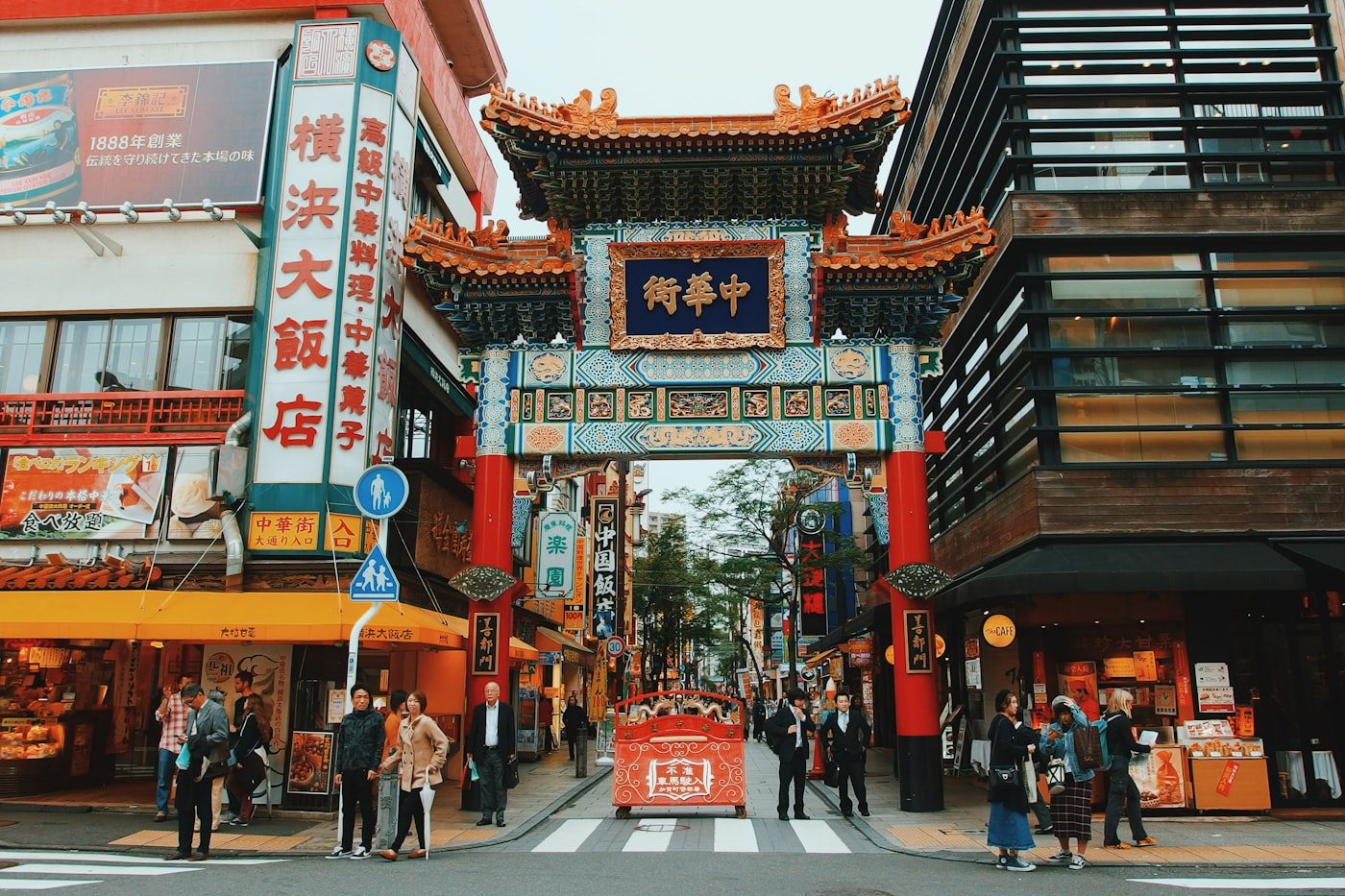
The ornate gate and streets of Yokohama Chinatown
Yokohama’s Chinatown, one of Japan’s largest.
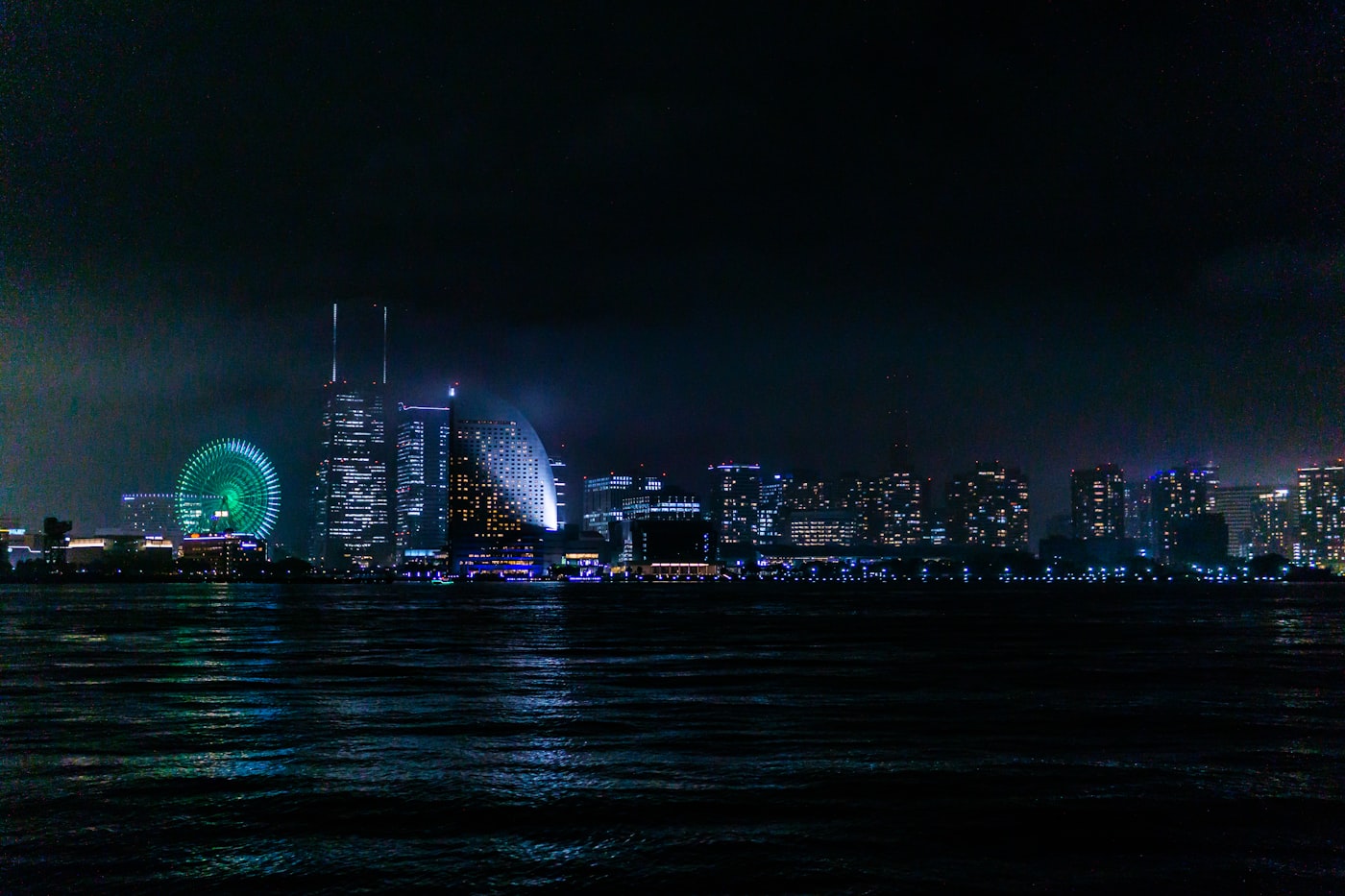
The Minato Mirai skyline lit up at night in Yokohama
Minato Mirai and the harbour after dark.
Easiest & most flexible

Yokohama

Best for Harbour scenery, Chinatown, museums, shopping, restaurants and an easy evening by the waterfront Allow Half to full day Travel time ~30–50 min from central Tokyo

Yokohama is an easy, flexible alternative for guests who want to leave Tokyo without committing to an early morning or a long train journey. The city combines one of Japan’s largest Chinatowns with historic international architecture, waterfront parks, museums, shopping and a modern harbour skyline.

Begin around Yokohama Chinatown, exploring its busy streets, temples, food counters and restaurants, then continue through Motomachi or toward Yamashita Park for a walk beside the harbour.

From there, head toward the Red Brick Warehouse and Minato Mirai. The waterfront is full of cafés, museums, shopping centres and restaurants, so the itinerary adapts easily if the weather changes. Yokohama is especially well suited to a late start — arrive in the afternoon, explore the waterfront and stay for dinner and drinks without sacrificing a whole day.

An afternoon & evening in Yokohama

  1. 12:00 pm Yokohama Chinatown Explore the streets, temples and food options before or after lunch.
  2. 2:00 pm Motomachi & Yamashita Park Walk through Motomachi and continue along the waterfront.
  3. 4:00 pm Red Brick Warehouse Browse the shops, cafés, event spaces and surrounding harbour area.
  4. 6:00 pm Minato Mirai Stay for dinner, drinks and evening views across the waterfront.

Yokohama is the most flexible Tokyo day trip. It works equally well as a relaxed half-day outing, an afternoon-to-evening plan, or a weather-adjustable alternative to a temple or hiking destination.

Suggested plan

Arrive around lunch, explore Chinatown, walk through Yamashita Park, continue to the Red Brick Warehouse and Minato Mirai, and finish with dinner or drinks overlooking the harbour.

View area on Google Maps ↗
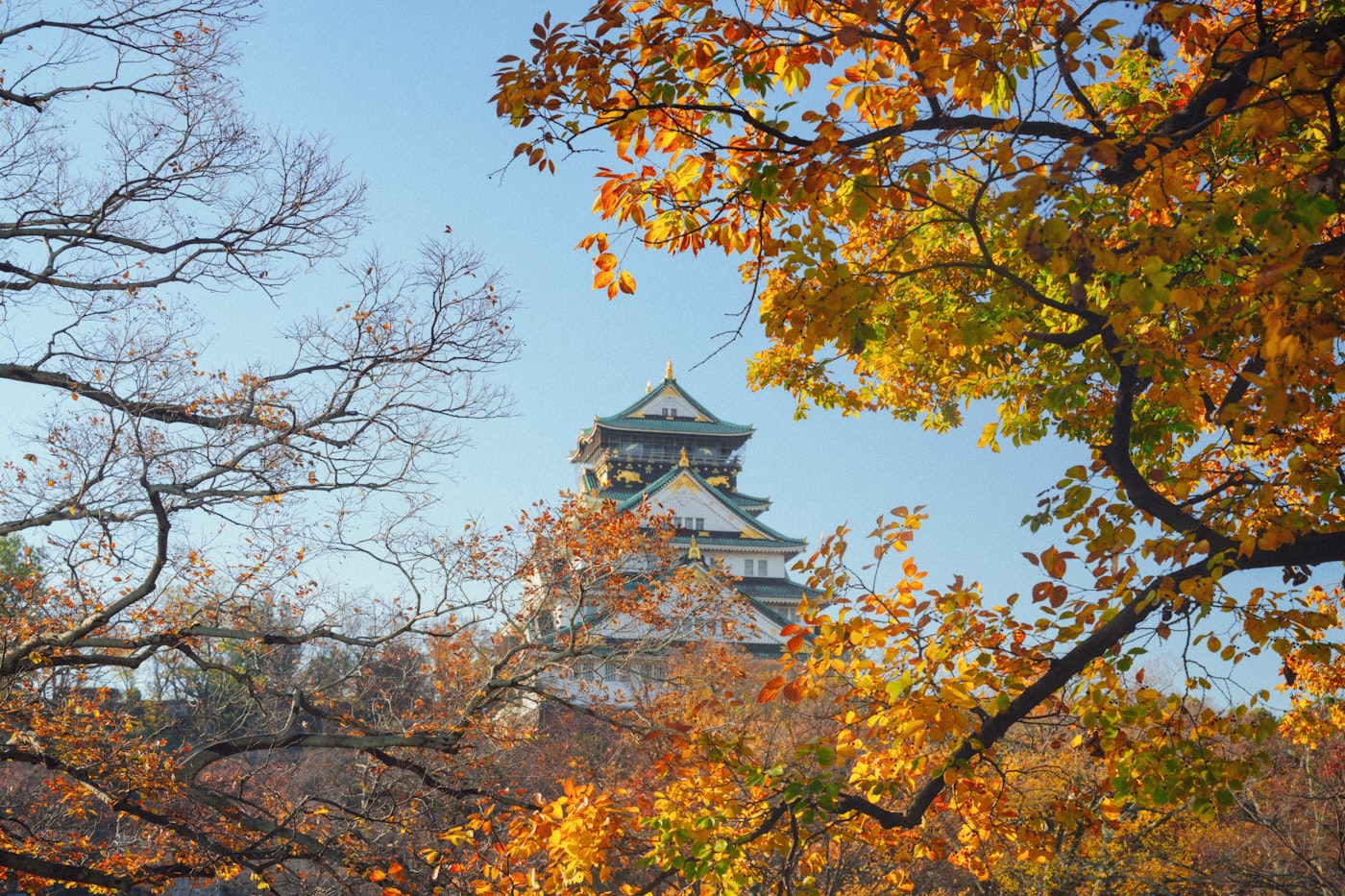
A traditional Japanese castle keep framed by autumn foliage, representing Tsuruga Castle in Aizu-Wakamatsu, Fukushima 14
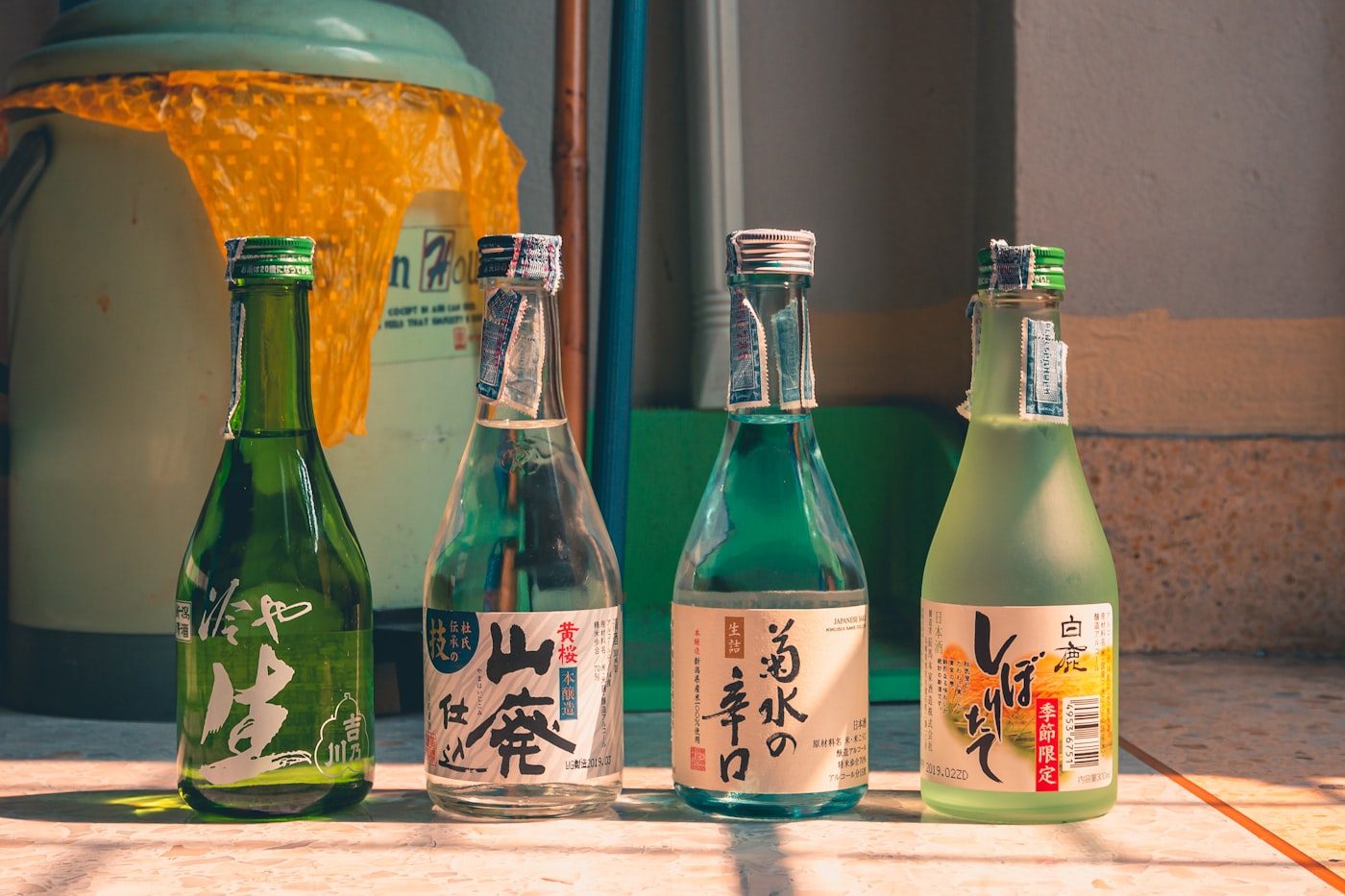
Bottles of Japanese sake on display
Aizu is known for its sake breweries and regional food.
Extended excursion Best overnight

Aizu-Wakamatsu — Samurai History & Regional Food

Best for Samurai history, regional culture, an original castle town, local sake and adventurous food Allow Preferably one night; possible as a very long day trip Travel time ~3 hours each way from Tokyo

Aizu-Wakamatsu is a historic castle town in Fukushima Prefecture, and one of the final strongholds of samurai forces loyal to the Tokugawa shogunate during the Boshin War.

The city is closely associated with the Byakkotai, a unit that included teenage samurai of the Aizu domain. Nineteen members reached Mt. Iimori during the siege and, seeing smoke rising from the direction of Tsuruga Castle, believed it had fallen and took their own lives. The castle had not in fact fallen, and the siege continued.

Aizu is also famous for basashi (horse-meat sashimi), typically served with soy sauce and a spicy mustard-miso condiment. Guests who would prefer not to eat horse meat can still enjoy the area’s soba, sauce katsudon, local vegetables, sweets and sake.

The round trip is roughly six hours of train travel under good connections, which leaves limited time for sightseeing on a single day. Aizu remains an excellent recommendation for guests with a specific interest in samurai history, the Boshin War or regional food — but it is best experienced as an overnight excursion that also allows time for sake breweries, a samurai residence or a nearby onsen.

A half-day in Aizu

  1. Stop 1 · 60–90 min Tsuruga Castle The principal symbol of Aizu-Wakamatsu, besieged during the Boshin War. The reconstructed keep holds exhibits on the castle, the Aizu domain and the final years of the samurai era; climb to the observation level for views across the former castle town.
  2. Stop 2 · 45–60 min Mt. Iimori & the Byakkotai memorials Climb the stone steps (or take the moving walkway) to the graves of the nineteen Byakkotai. From the hillside you can look toward Tsuruga Castle and understand the view the young samurai saw. A solemn site — please visit respectfully.
  3. Stop 3 · 20–30 min Aizu Sazaedō An unusual hexagonal wooden temple from 1796 with a double-helix internal ramp — visitors ascend and descend on separate paths without passing one another. One of the region’s most distinctive historic structures.
  4. Stop 4 · 60–90 min Nanukamachi & a regional meal An older commercial district of historic buildings, local shops, cafés, sake retailers and restaurants. Try a small serving of basashi alongside other regional dishes and Aizu sake, or choose soba, sauce katsudon, local vegetables or sweets instead.

Aizu-Wakamatsu is approximately three hours from Tokyo in each direction and normally requires a Shinkansen to Kōriyama followed by a regional train. It can technically be visited in one long day, but an overnight stay is strongly recommended.

A note on basashi: it is served raw and may not appeal to everyone — order it only from an established restaurant. Guests who are pregnant, immunocompromised or uncomfortable eating raw meat should choose one of Aizu’s many other regional dishes.

Suggested plan

Travel to Aizu-Wakamatsu in the morning, visit Tsuruga Castle and the Mt. Iimori area, explore Nanukamachi and regional dining, stay overnight and return to Tokyo the following day.

View area on Google Maps ↗