Landyn & Kieren

Japan, 2026

Please enter the password from your invitation.

Seven ways to spend a day

Things to Do in Kyoto

Walkable areas to explore by day and after dark, plus day trips across the Kansai region.

Whether you have a few hours, an entire evening or a full day, each of these is an easy starting point — with plenty of room to wander. Most were chosen with our early-October wedding period in mind.

Our personal picks

Landyn + Kieren Specific Recommendations

Neighbourhood-by-neighbourhood ideas for how to spend your time — including where to go and roughly when — drawn from our own favourite days and evenings in Kyoto.

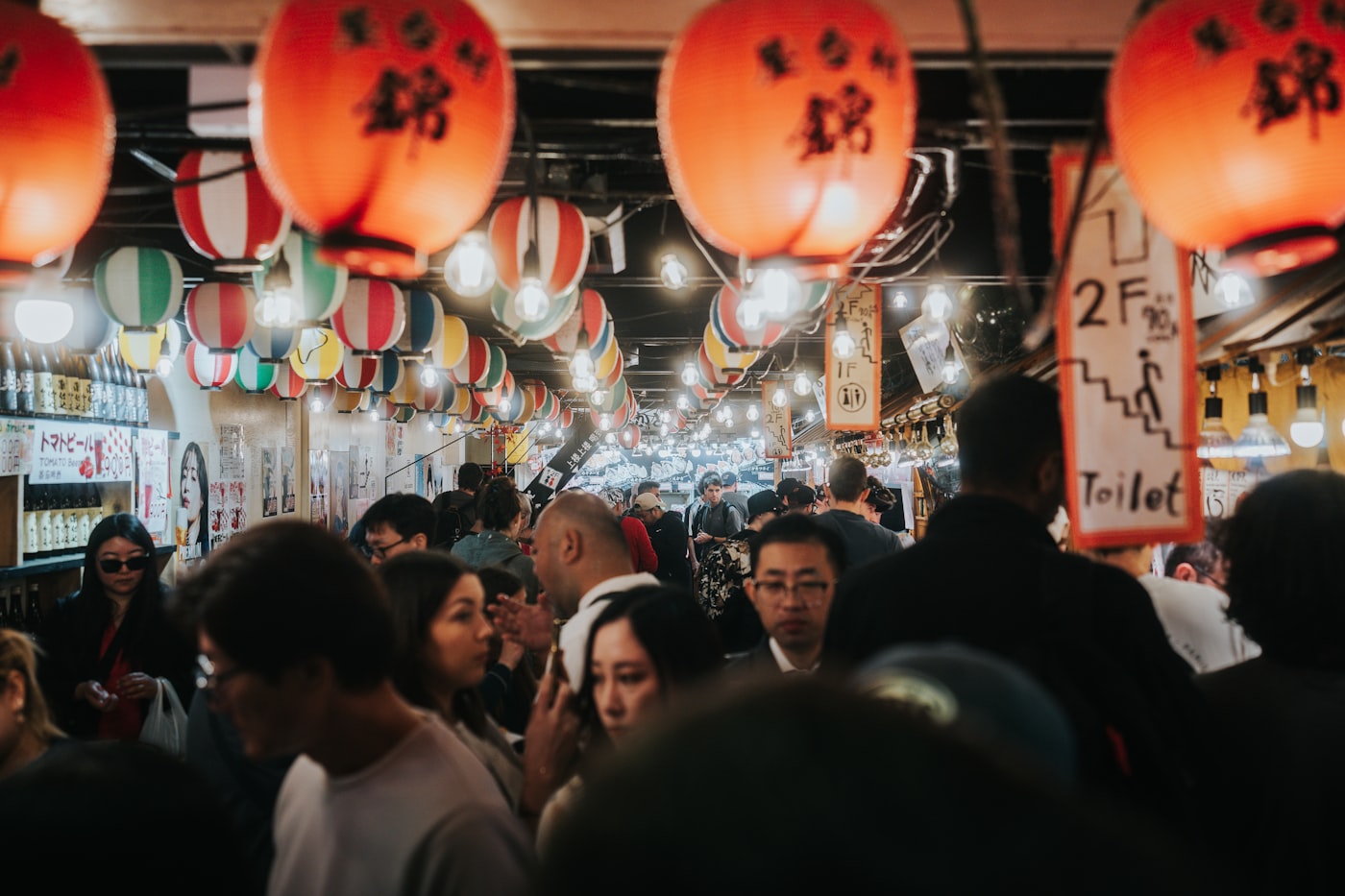
Crowds browsing the covered stalls of Nishiki Market in Kyoto 01
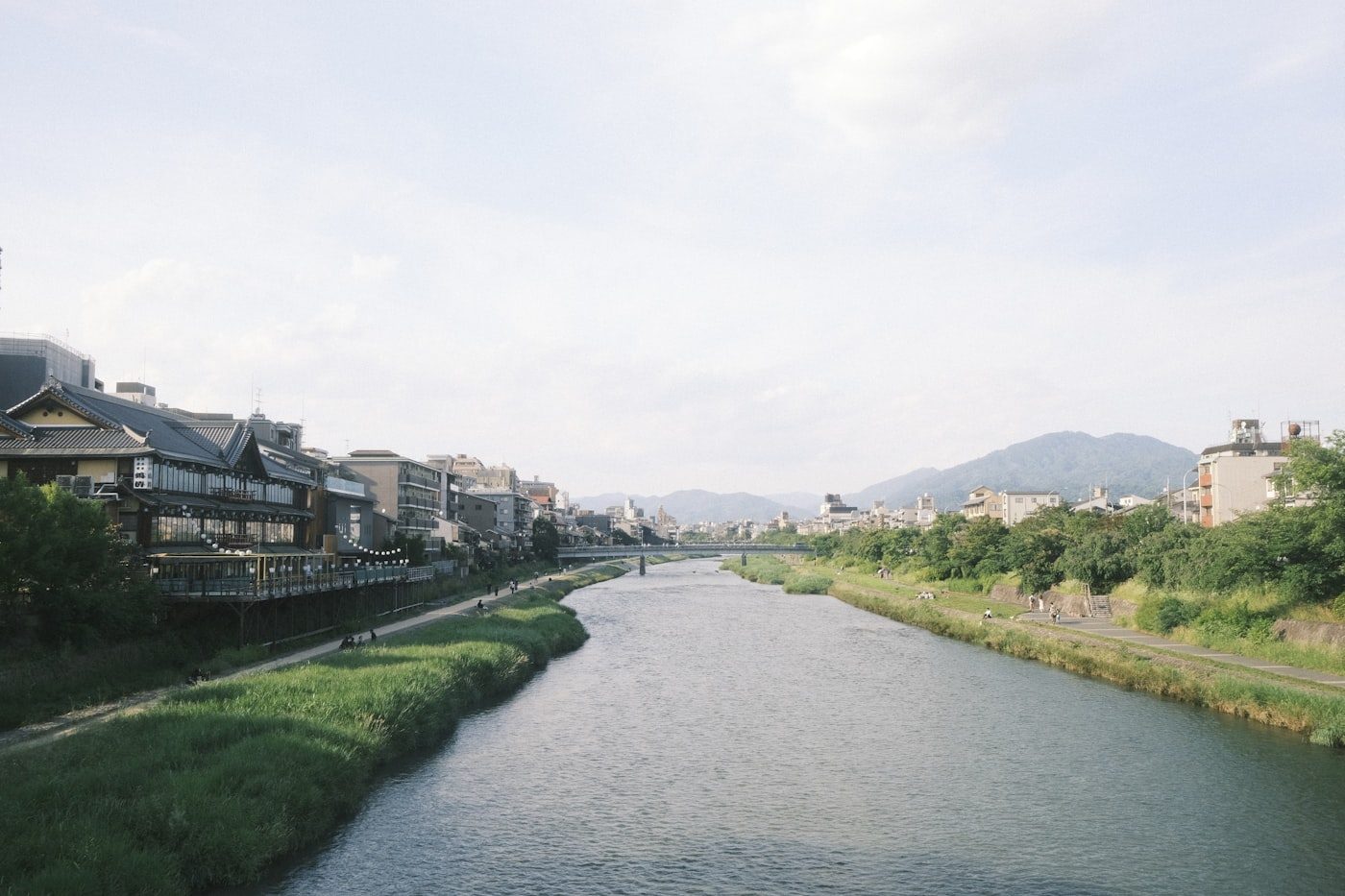
The Kamo River running through central Kyoto
The Kamo River, ideal for a riverside drink at dusk.
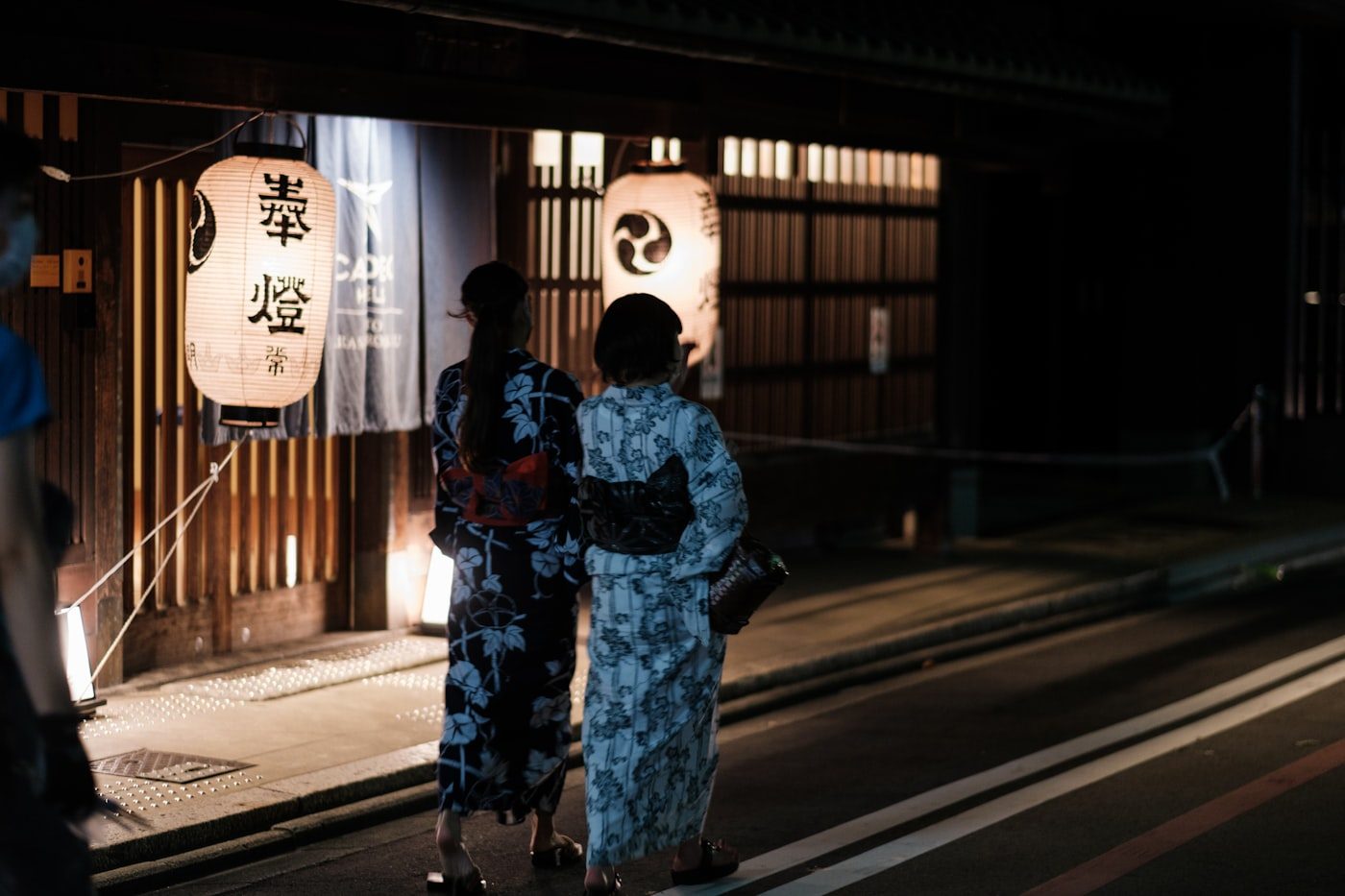
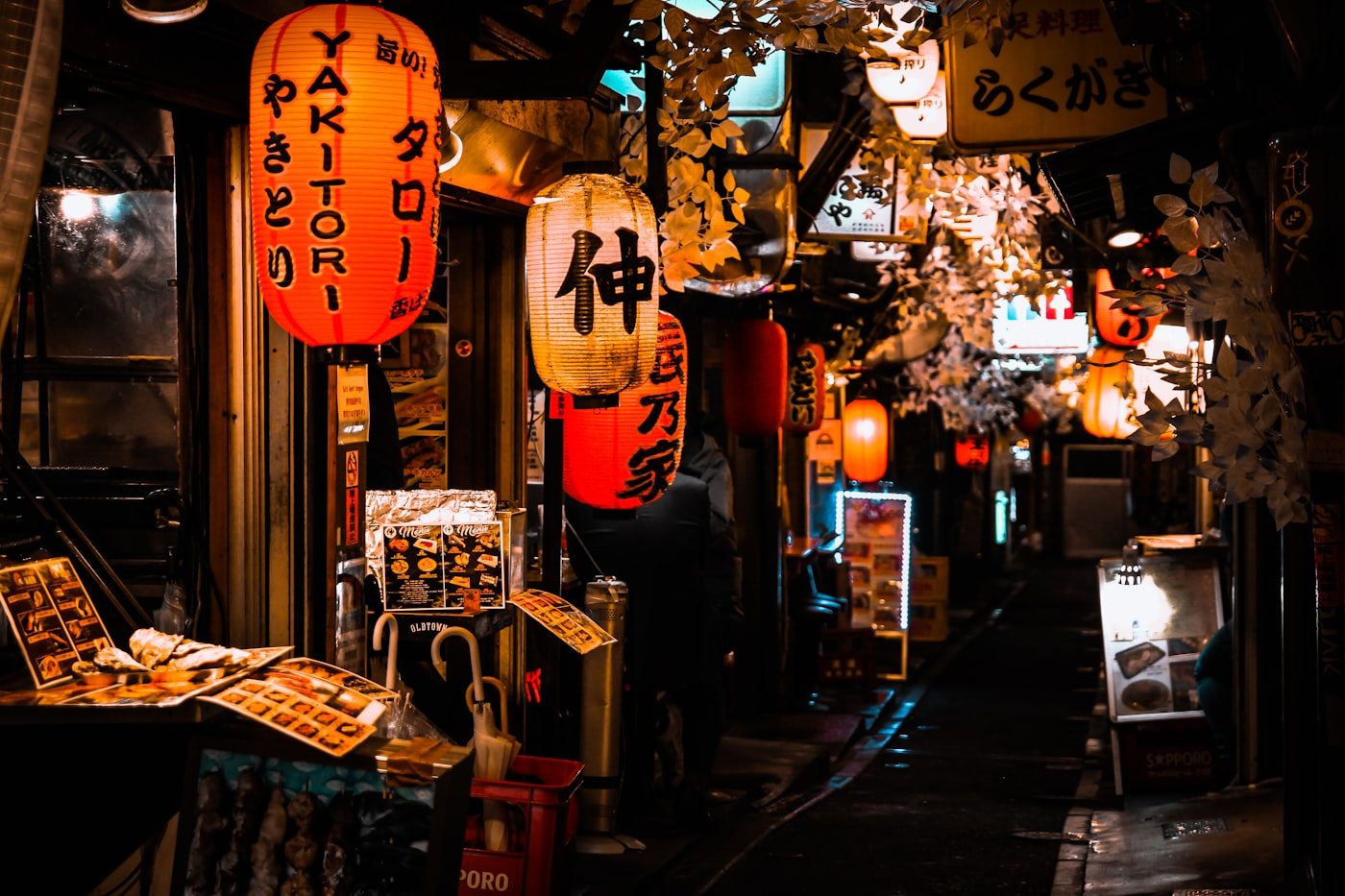
The narrow lantern-lit Pontochō alley in the evening
Pontochō as the lanterns come on.

Nishiki Market, Teramachi, the Kamo River & Pontochō

Best for Kyoto food, shopping and an easy afternoon-to-evening itinerary Allow Half a day

Start at Nishiki Market, a covered market specialising in fish, pickles, Kyoto vegetables, tofu skin, sweets, tea, kitchenware and prepared foods.

Continue through the adjoining Teramachi and Shinkyōgoku shopping arcades, which hold everything from traditional knife and incense stores to clothing shops and modern cafés.

Walk east toward the Kamo River, find a place along the riverbank and relax with a drink. As evening approaches, cross into Pontochō for dinner or wander its narrow, lantern-lit alleyways. This central area brings together traditional and contemporary Kyoto in one compact, walkable district.

A local courtesy: enjoy anything you buy at Nishiki beside the relevant store or in a designated eating area rather than eating while walking through the market.

Suggested plan

Visit Nishiki after a late breakfast, shop during the afternoon, watch the sunset beside the Kamo River and have dinner around Pontochō or Kiyamachi.

View area on Google Maps ↗
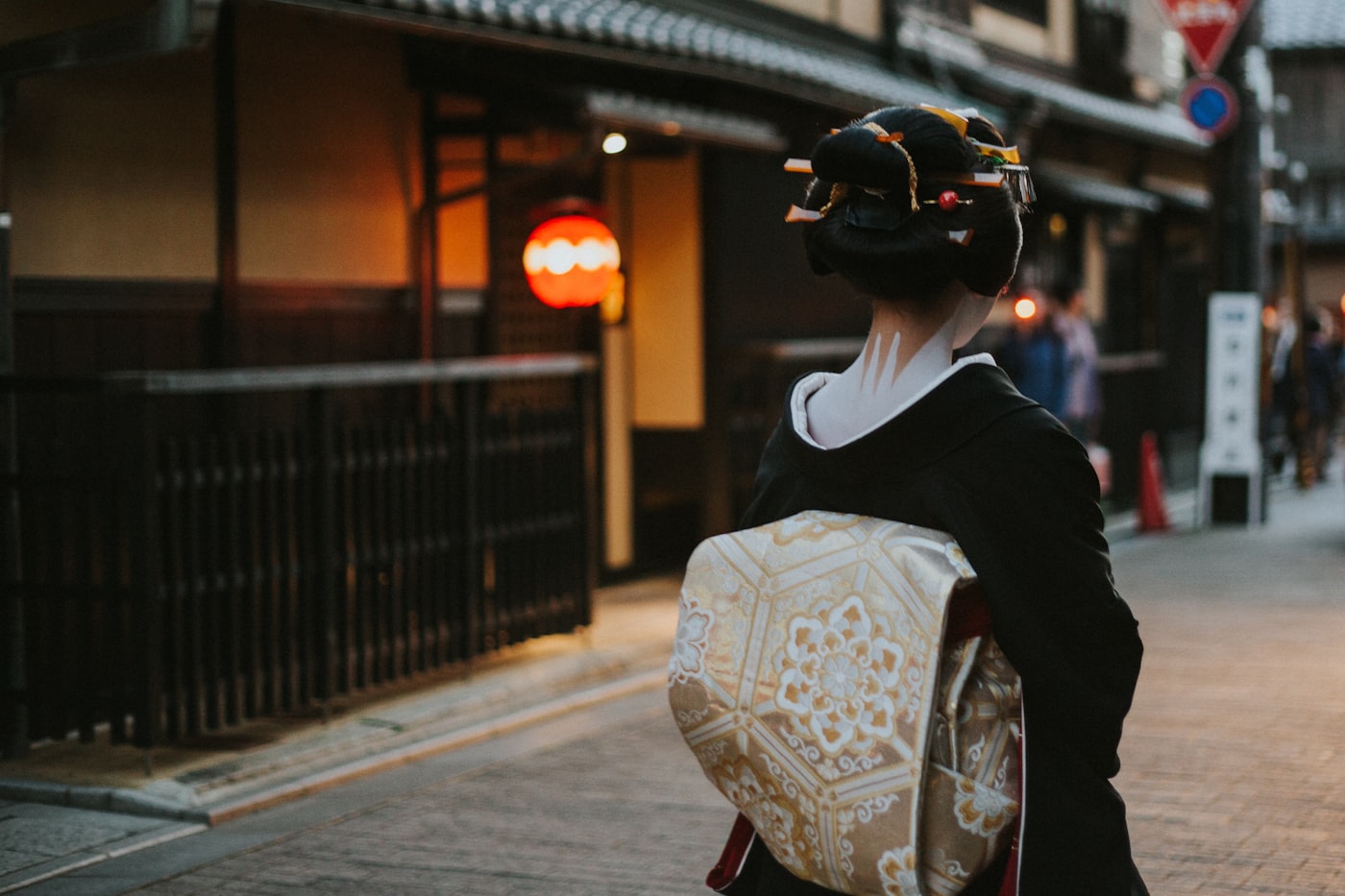
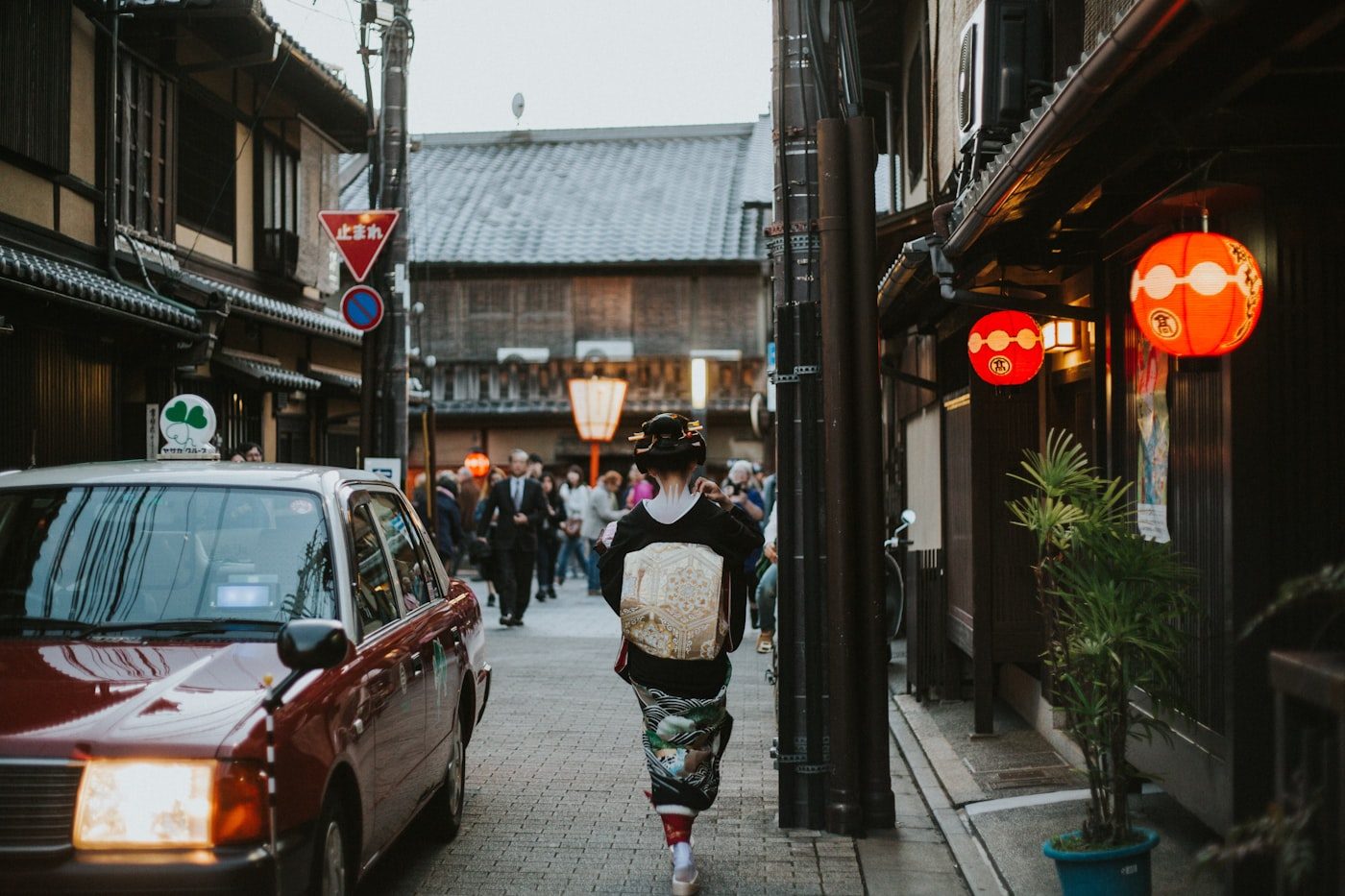
A woman in a kimono walking through the historic streets of Gion, Kyoto 02
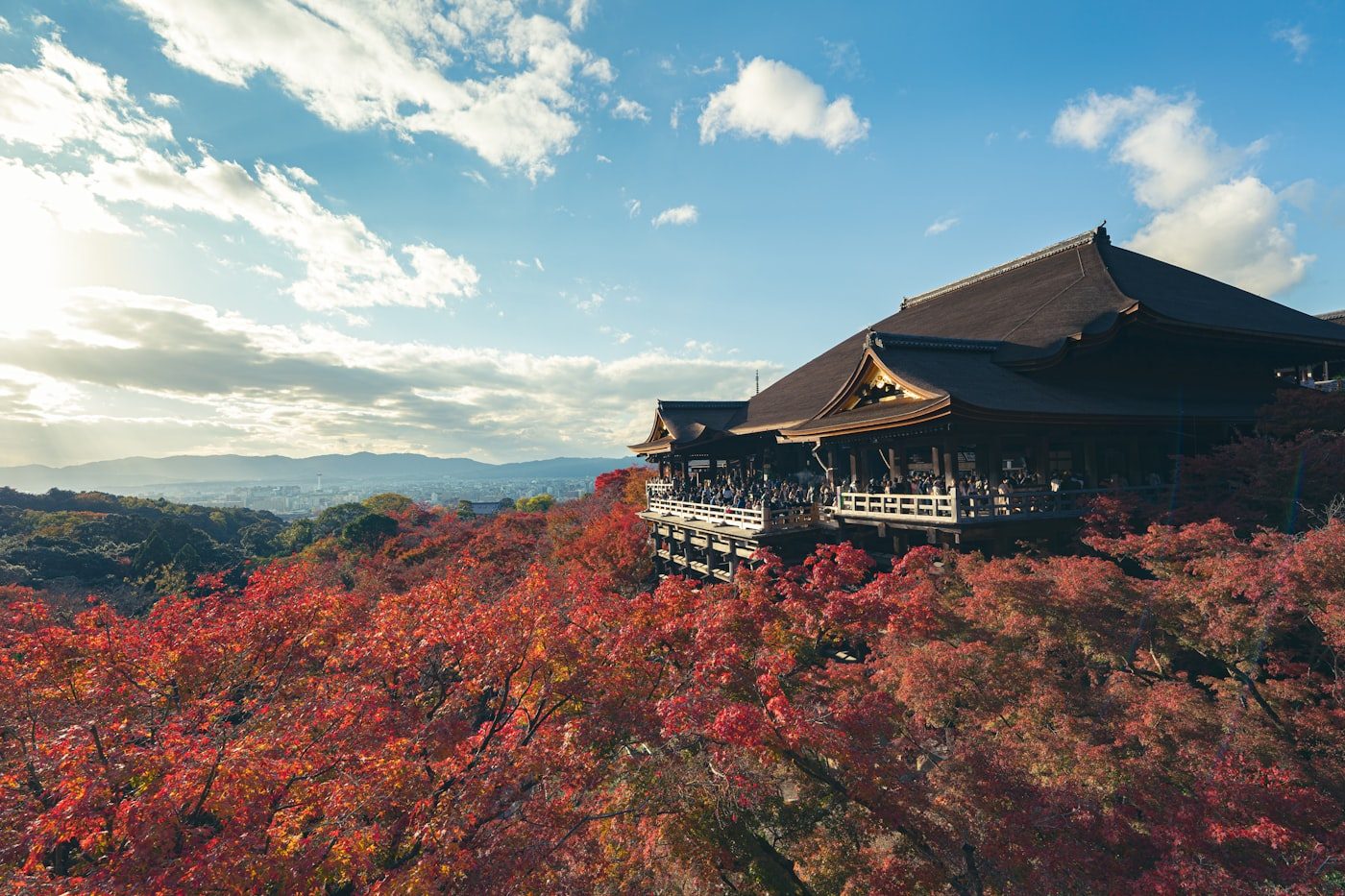
Kiyomizu-dera temple above Kyoto among autumn trees
Kiyomizu-dera, best visited early.
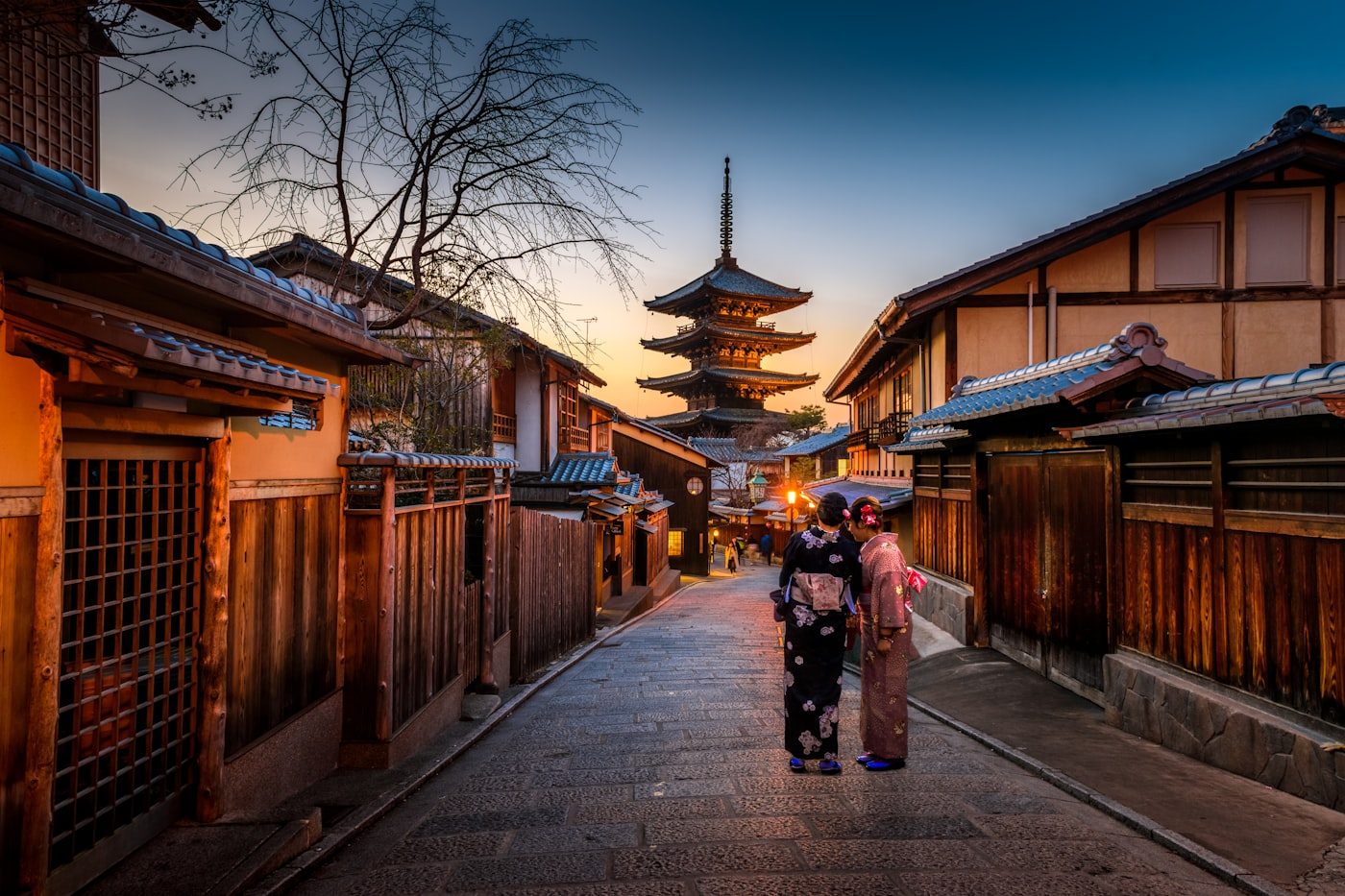
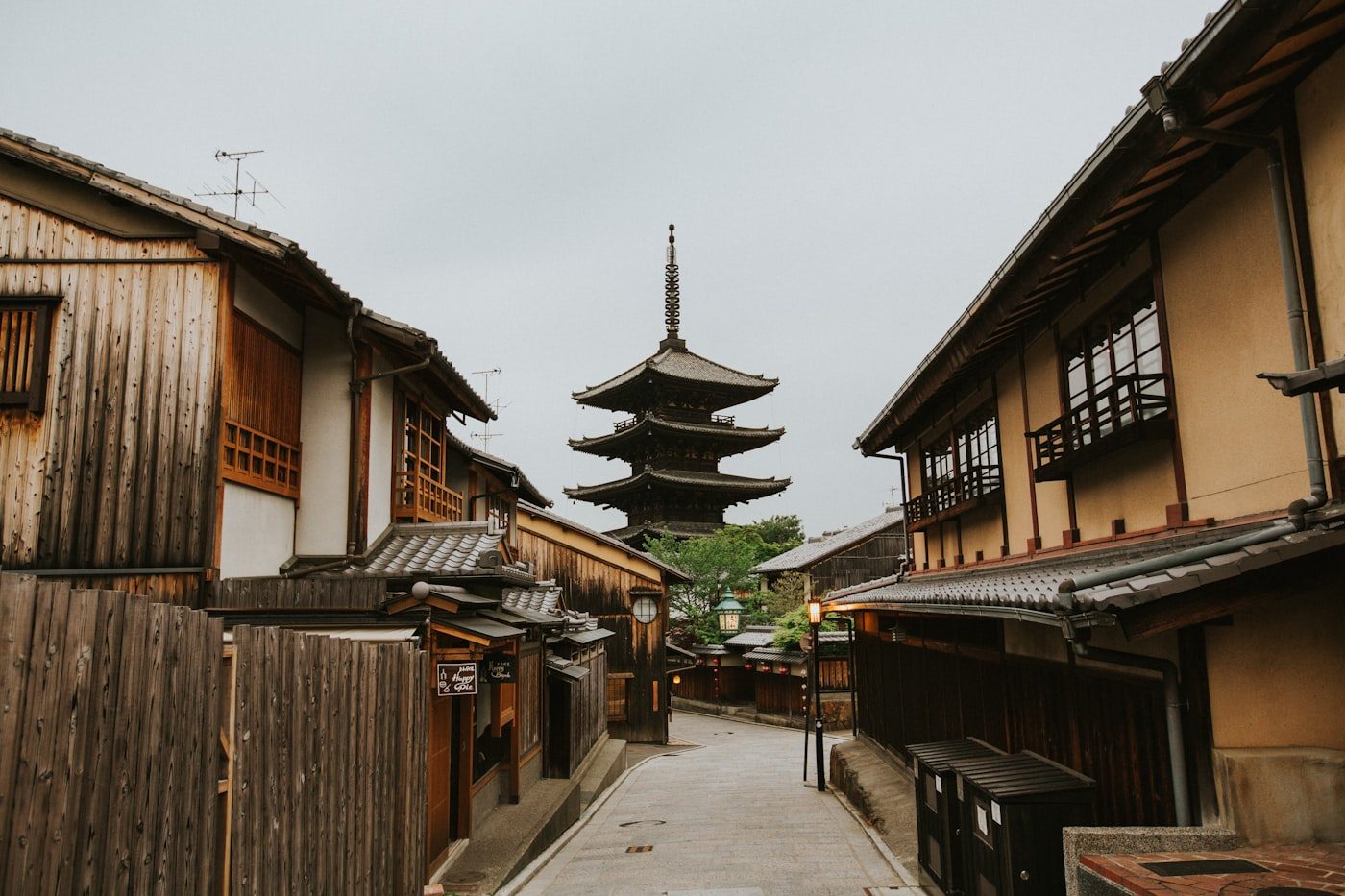
The Yasaka Pagoda above the historic Sannenzaka street
The Yasaka Pagoda on the descent through Higashiyama.

Kiyomizu-dera, Higashiyama & Gion

Best for The classic Kyoto experience, historic streets and photography Allow Early morning to lunch, or late afternoon into evening

Start at Kiyomizu-dera, ideally early before the largest crowds arrive. The temple sits above Kyoto and its wooden veranda offers views across the city.

Walk downhill through the preserved streets of Sannenzaka and Ninenzaka, stopping for ceramics, tea, sweets or coffee. Continue past Yasaka Pagoda, through the lanes around Kōdai-ji, across Maruyama Park and into Gion — an area that combines temples, traditional wooden buildings, craft stores, teahouses and long-established restaurants.

A respectful note: Gion is a residential and working neighbourhood. Please stay on public streets, respect private property, and avoid obstructing or closely photographing geiko and maiko.

Suggested plan

Visit Kiyomizu-dera early, stop for breakfast or coffee on the descent, explore Kōdai-ji and Maruyama Park, and have lunch around Gion.

View area on Google Maps ↗
A tree-lined canal path in northern Higashiyama, Kyoto 03
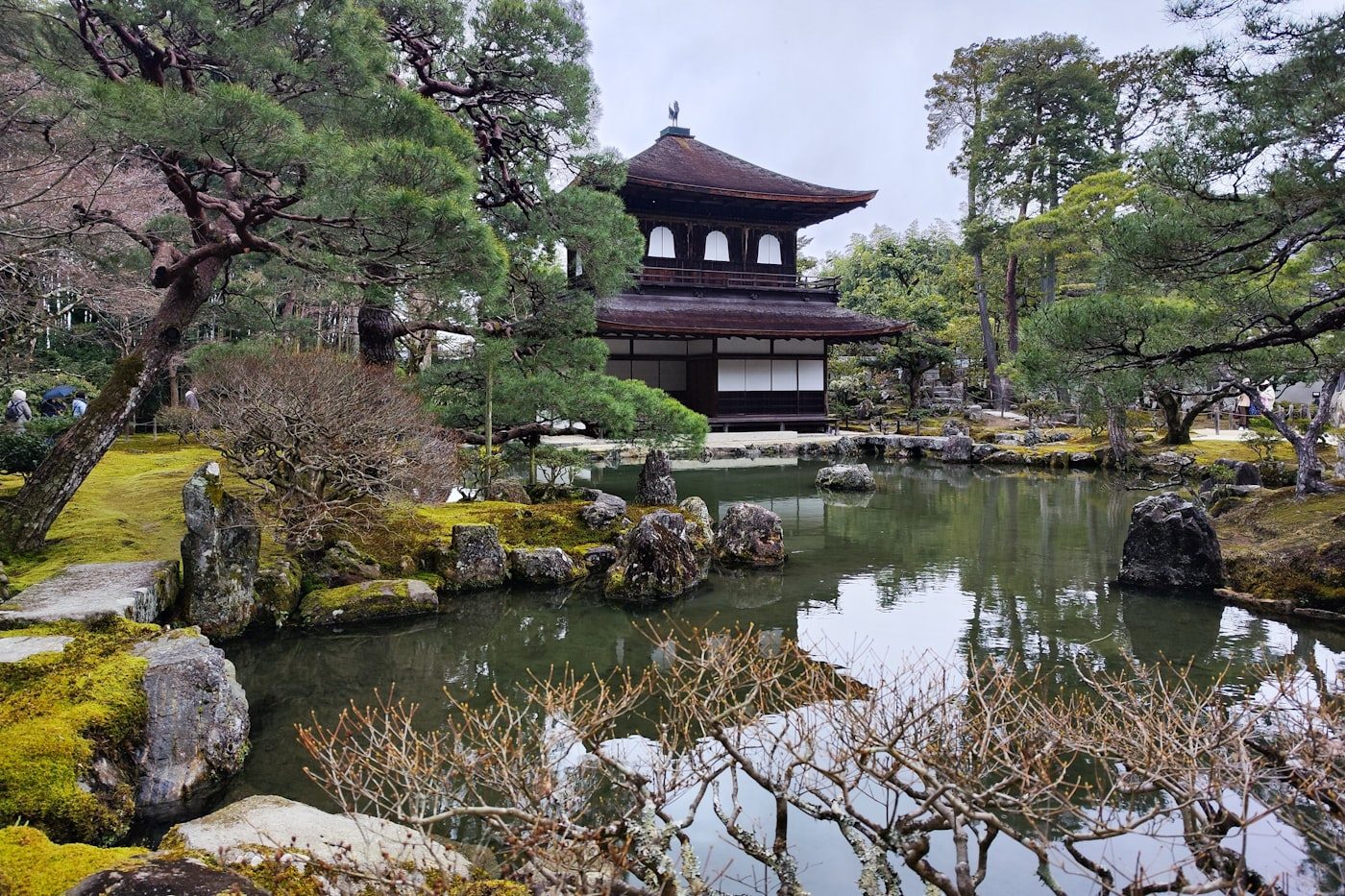
The gardens and pavilion of Ginkaku-ji, Kyoto
Ginkaku-ji and its carefully designed gardens.
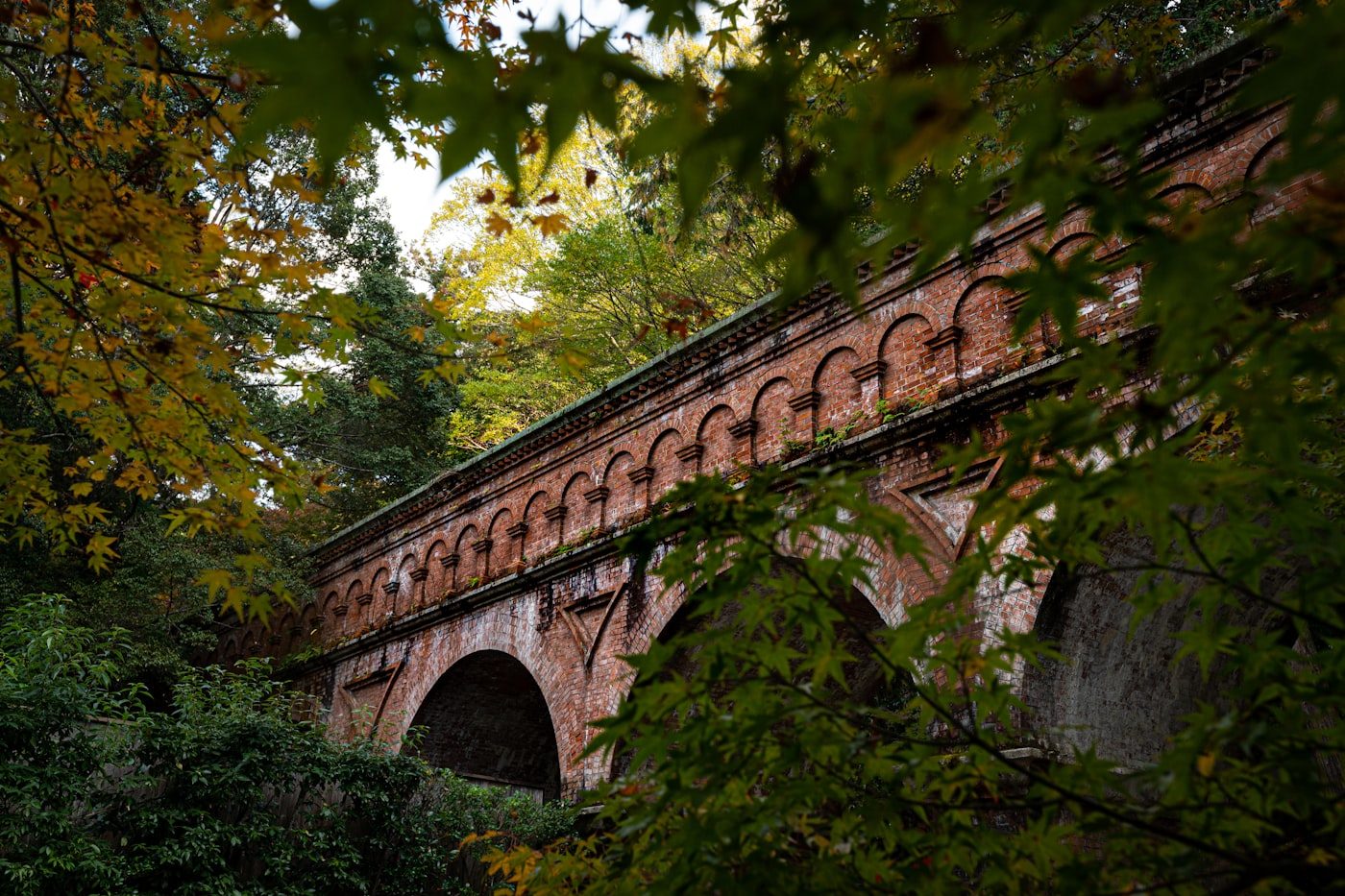
The red-brick Lake Biwa aqueduct at Nanzen-ji
The nineteenth-century aqueduct at Nanzen-ji.

Ginkaku-ji, the Philosopher’s Path & Okazaki

Best for A peaceful walk, gardens, temples, art and architecture Allow Half to full day

Begin at Ginkaku-ji and explore its carefully designed gardens.

From the temple, follow the canal-side Philosopher’s Path south. The route passes smaller temples including Hōnen-in and Anraku-ji, letting you step away from the main path into quieter grounds.

Continue toward Eikan-dō and Nanzen-ji, where you can see Zen gardens and part of the nineteenth-century Lake Biwa aqueduct. From there, walk into the Okazaki cultural district for museums, galleries and cafés around the canal — perhaps the Kyoto City KYOCERA Museum of Art, the National Museum of Modern Art or the Museum of Crafts and Design.

Suggested plan

Visit Ginkaku-ji in the morning, have lunch near the Philosopher’s Path, explore Nanzen-ji during the afternoon and finish at a museum or café in Okazaki.

View area on Google Maps ↗
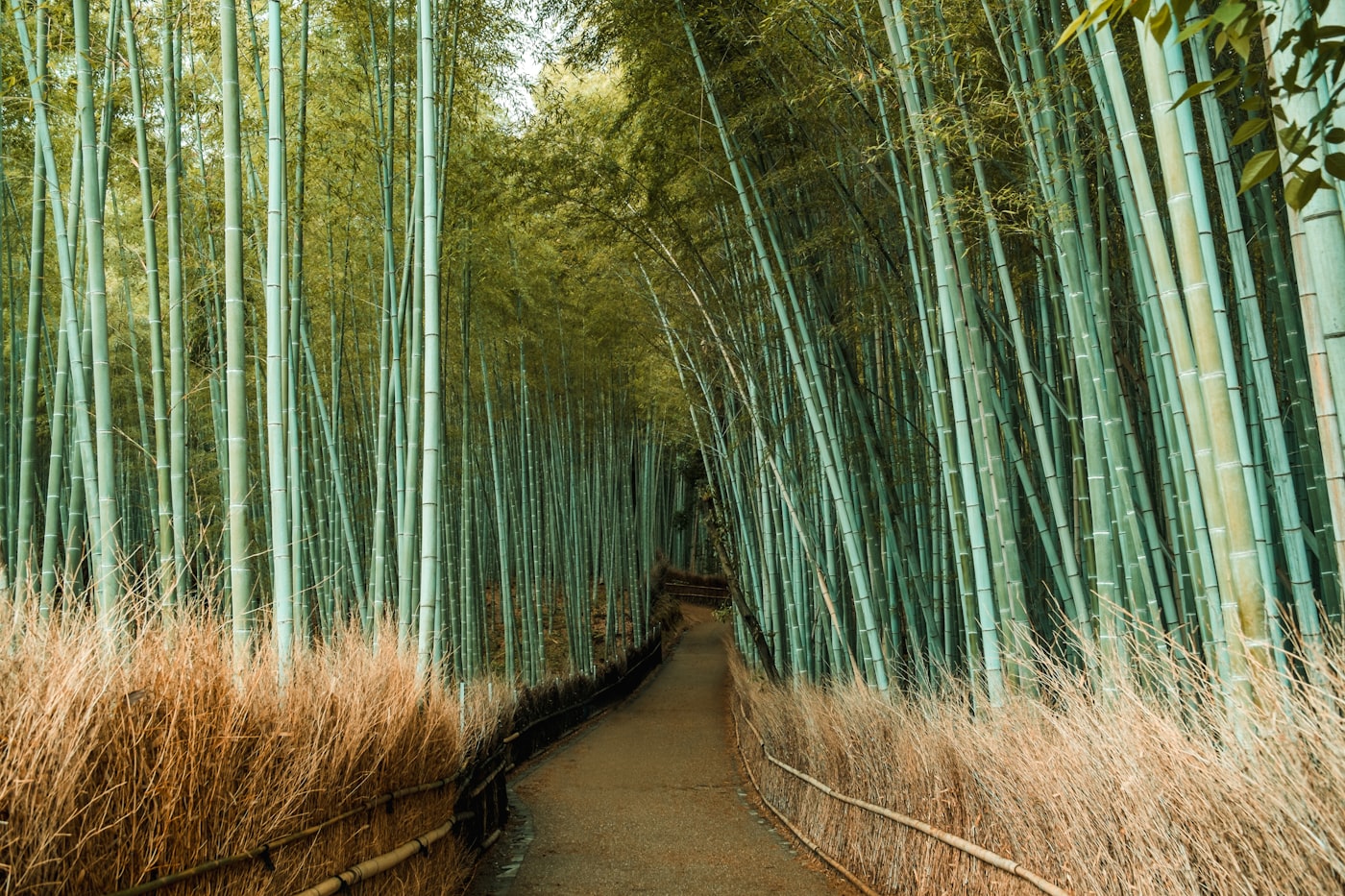
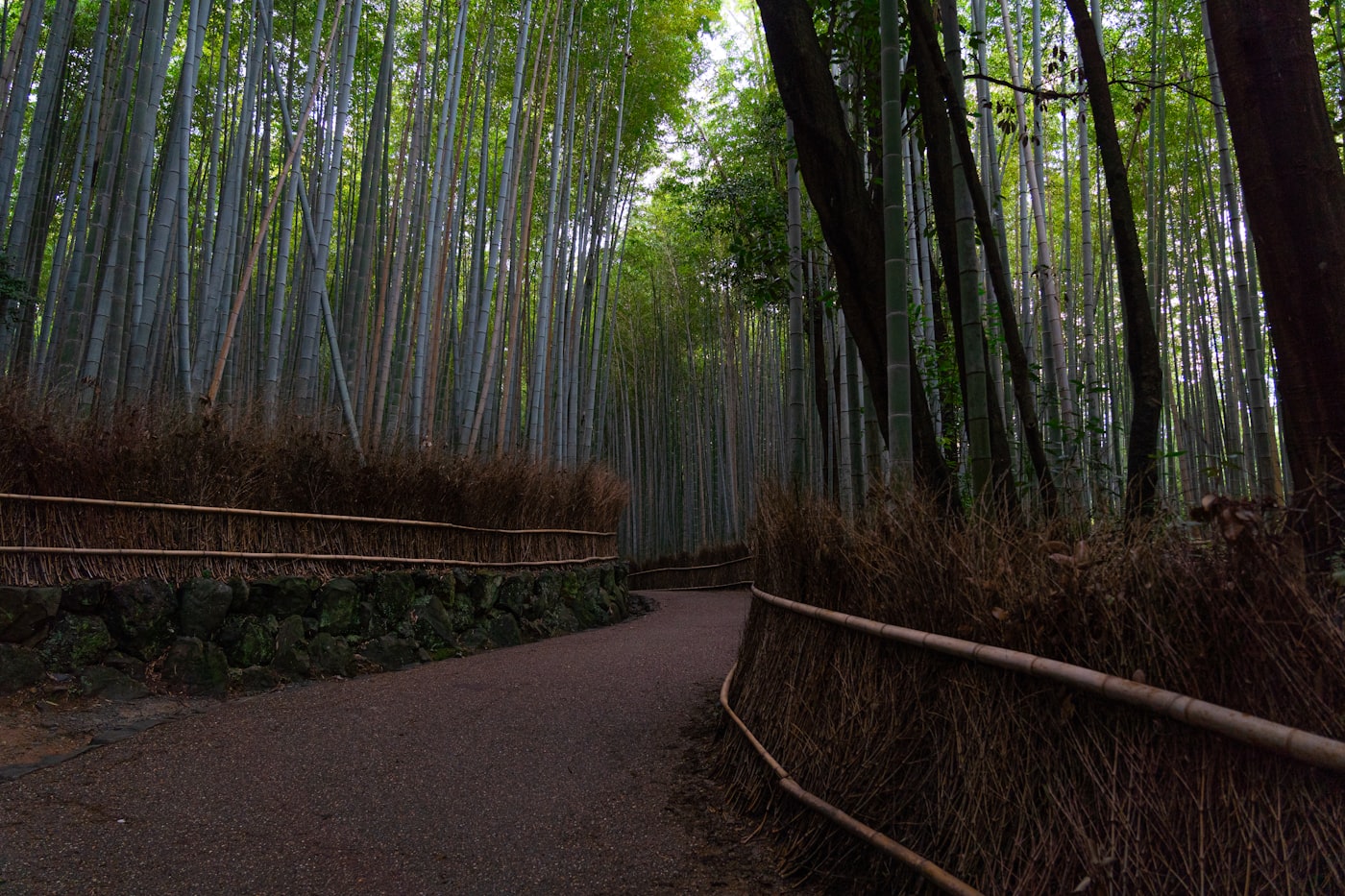
The towering Arashiyama Bamboo Grove in Kyoto 04
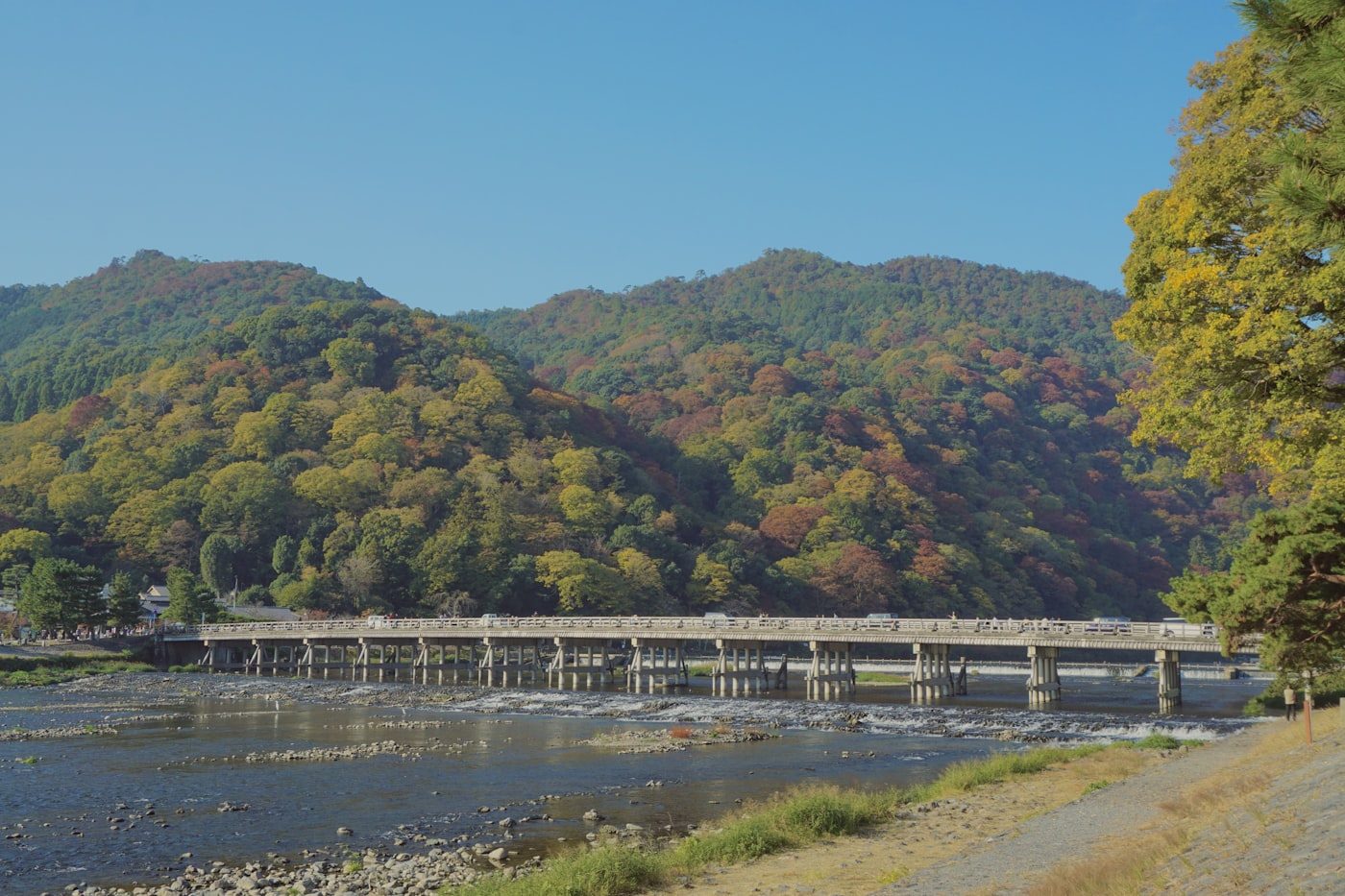
The Togetsukyō Bridge and mountains at Arashiyama
The Togetsukyō Bridge over the Katsura River.
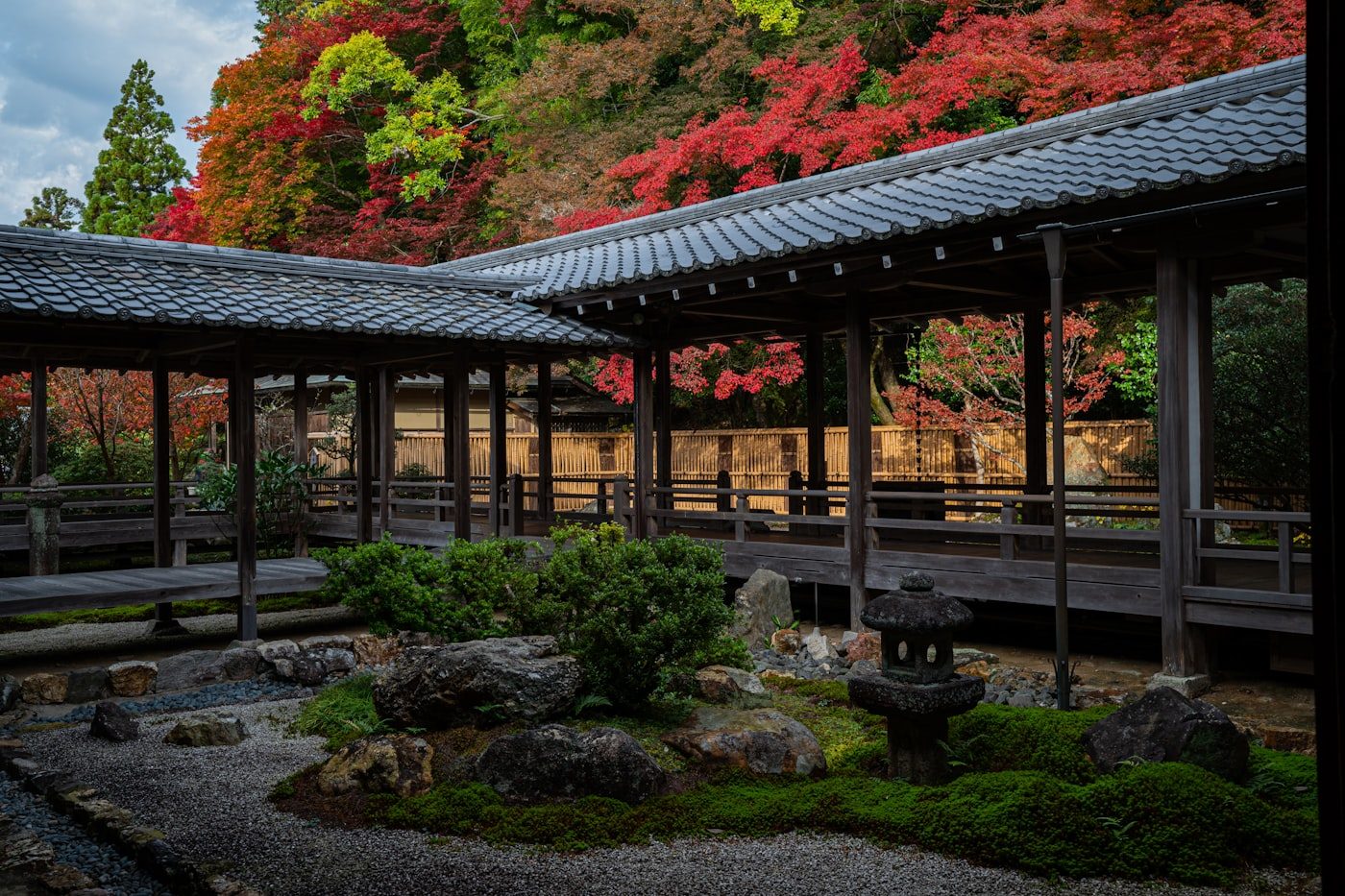
A temple veranda overlooking a garden in Arashiyama
The gardens of Tenryū-ji.

Arashiyama & Northern Sagano

Best for Bamboo, mountain scenery, temples and a longer scenic day Allow Most of a day

Arrive early and begin with the Arashiyama Bamboo Grove before the largest crowds arrive.

Walk through the grounds of Tenryū-ji, visit the garden and continue toward the river and Togetsukyō Bridge.

Rather than leaving after the main attractions, continue north into Sagano, where the streets become quieter and more rural. Explore smaller temples, traditional homes and the preserved Saga-Toriimoto area, stopping for tofu cuisine, soba or tea along the way. The quieter streets and temples beyond central Arashiyama are an important part of the experience.

Suggested plan

Visit the bamboo grove and Tenryū-ji early, stop for coffee near the river, have lunch in Sagano and spend the afternoon exploring northern temples and historic streets.

View area on Google Maps ↗
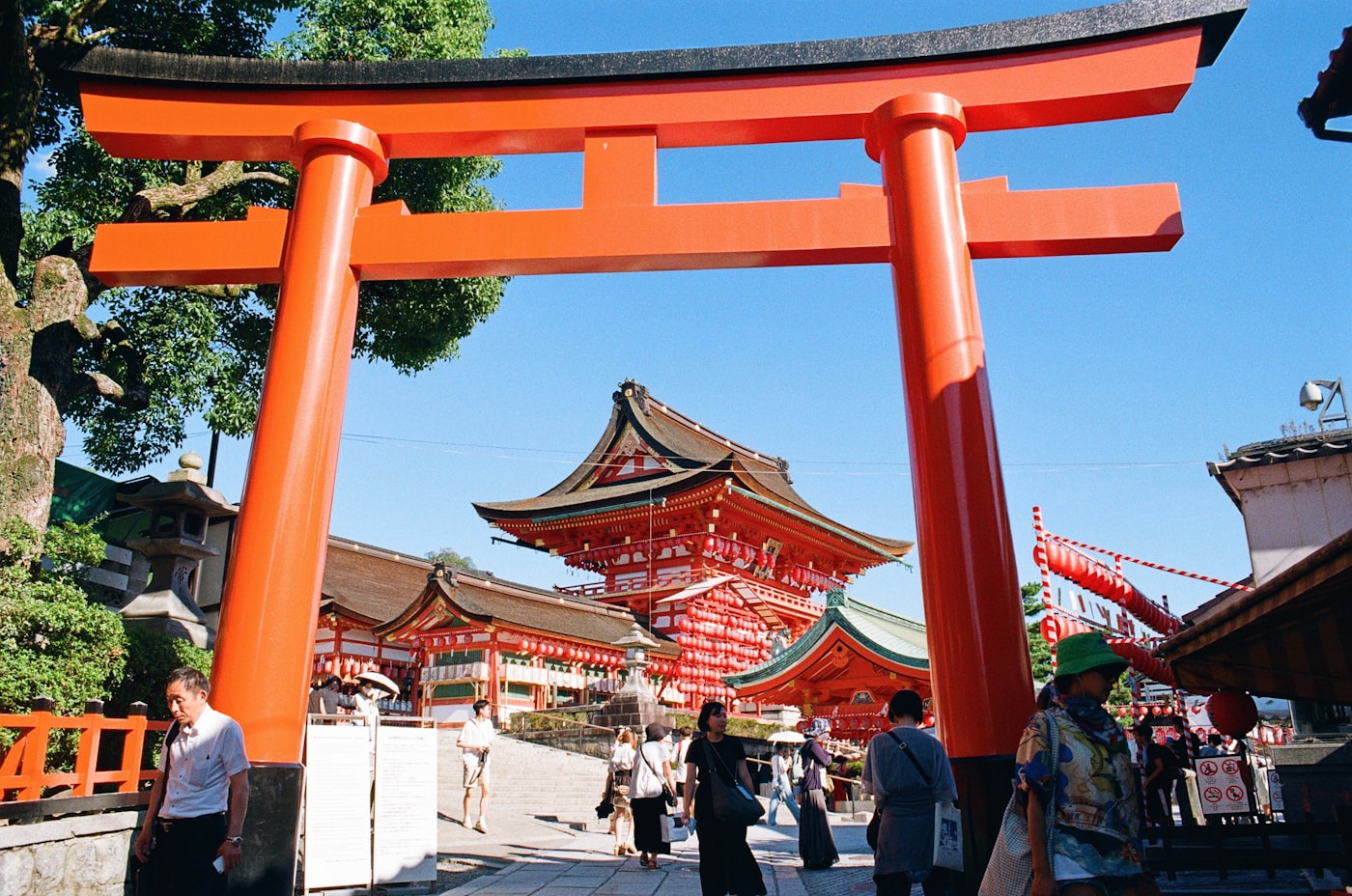
The vermilion torii gate corridors of Fushimi Inari Taisha, Kyoto 05
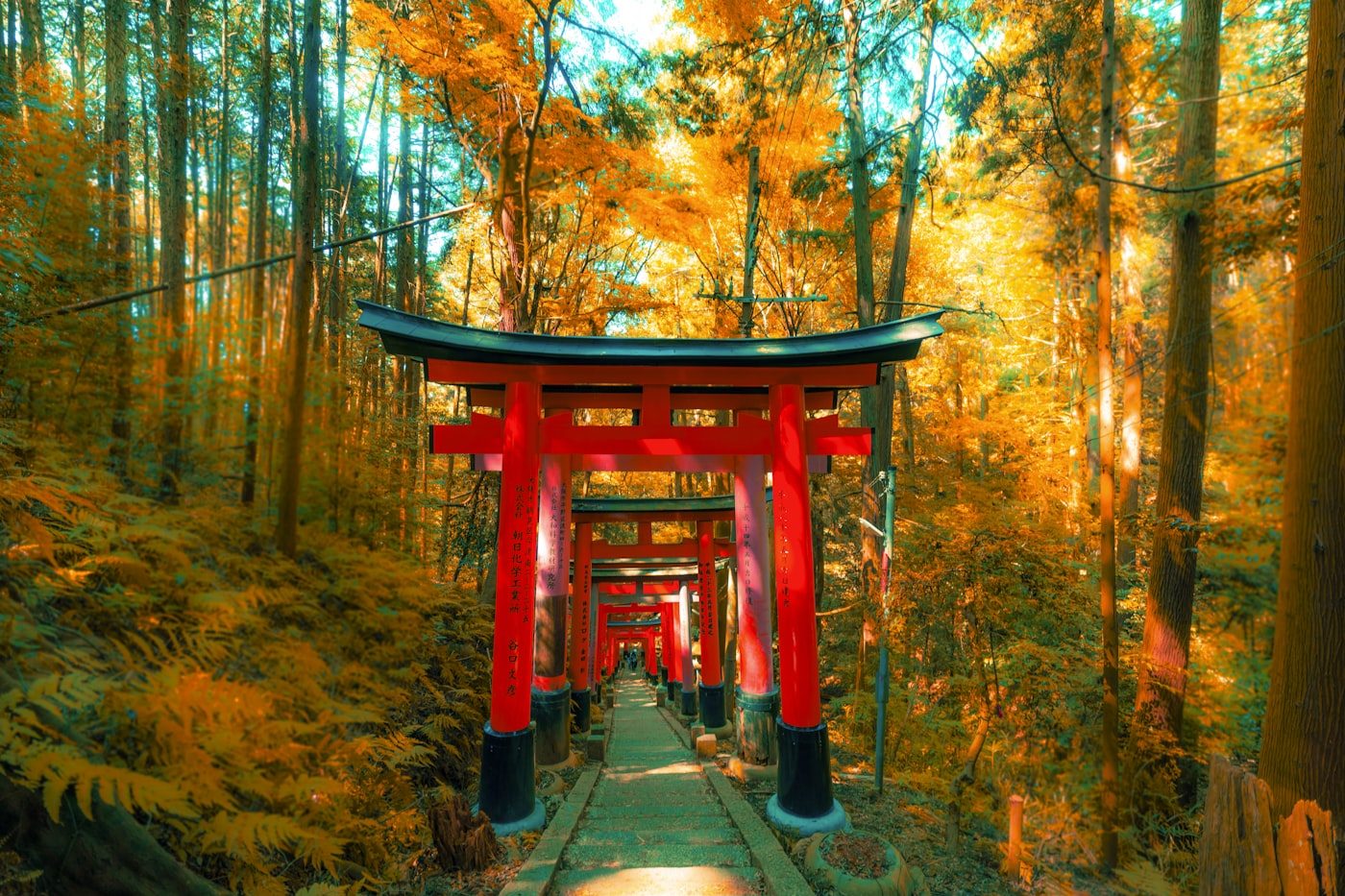
Vermilion torii gates winding through forest at Fushimi Inari
The torii trails climb Mount Inari through the forest.
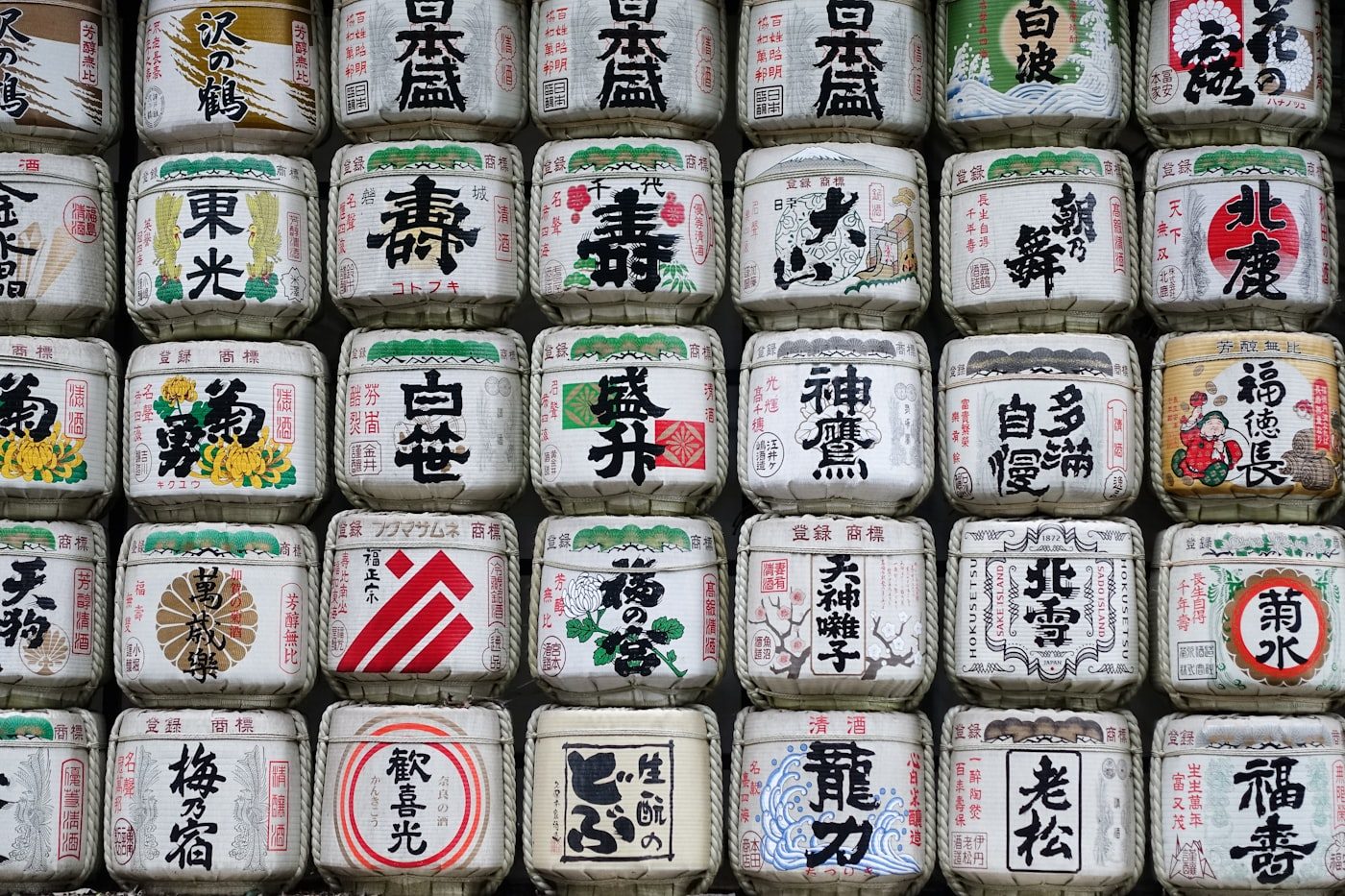
A wall of decorative sake barrels
The Fushimi district is one of Japan’s great sake towns.

Fushimi Inari & the Fushimi Sake District

Best for An active morning followed by sake, history and a relaxed lunch Allow Half to full day

Visit Fushimi Inari Taisha early in the morning and walk beyond the first famous corridors of vermilion gates. The trails continue up Mount Inari through thousands of torii gates, small shrines and forested sections — complete the full climb or turn around at one of the viewpoints.

Afterward, take a short train or taxi farther south to the Fushimi sake-brewing district. Walk beside the willow-lined canals and traditional wooden brewery buildings, visit a sake museum or tasting room and have lunch at a local restaurant. It’s a good balance of an active morning and a relaxed afternoon.

If you’re tasting sake, please pace yourself and travel back into the city responsibly.

Suggested plan

Begin the shrine walk around 7:00 a.m., have a late breakfast, visit the sake district from late morning and follow the tastings with lunch.

View area on Google Maps ↗
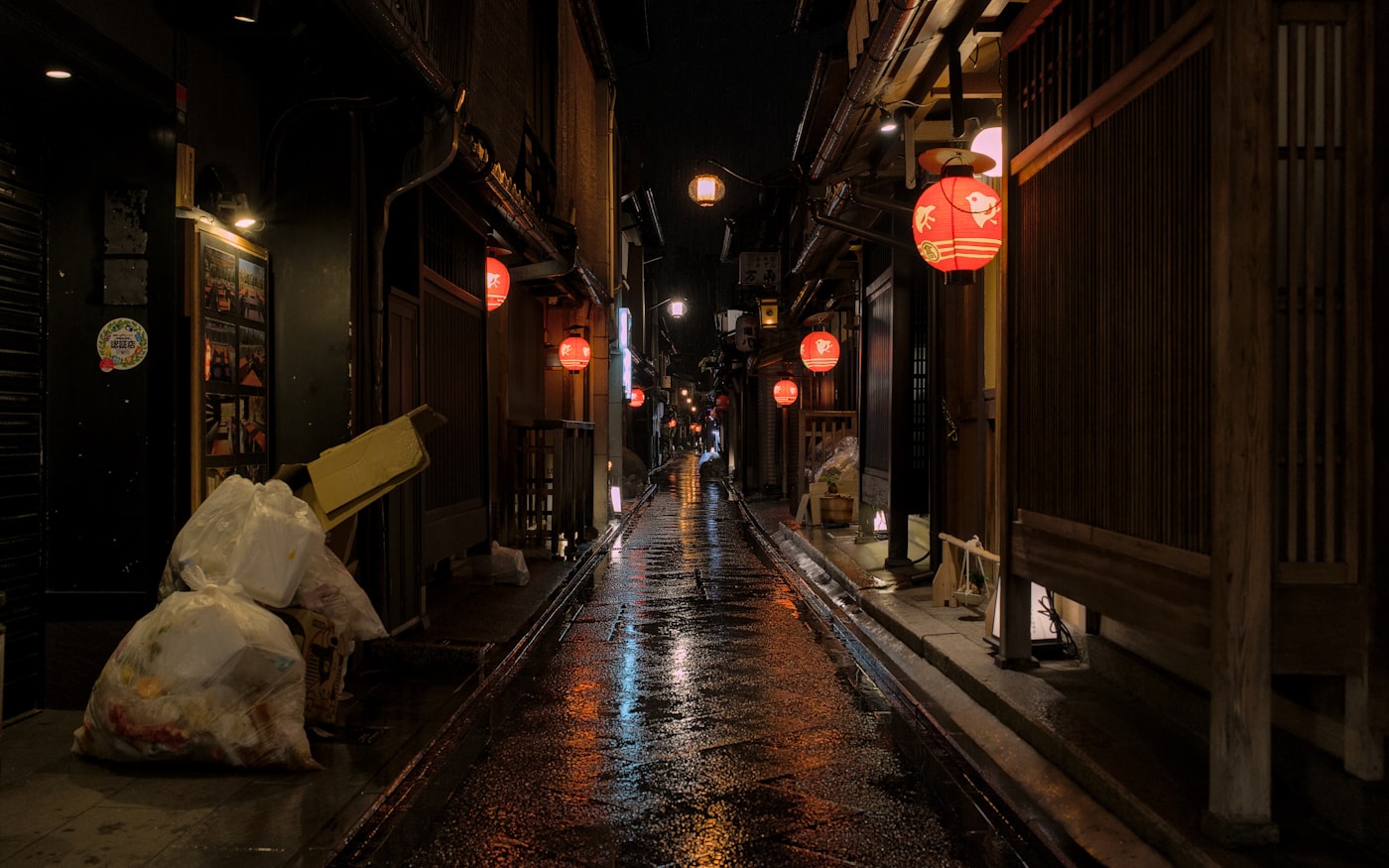
The lantern-lit Pontochō alley at night in downtown Kyoto 06
The lantern-lit Pontochō alley at night
Pontochō, the heart of the after-dark quarter.
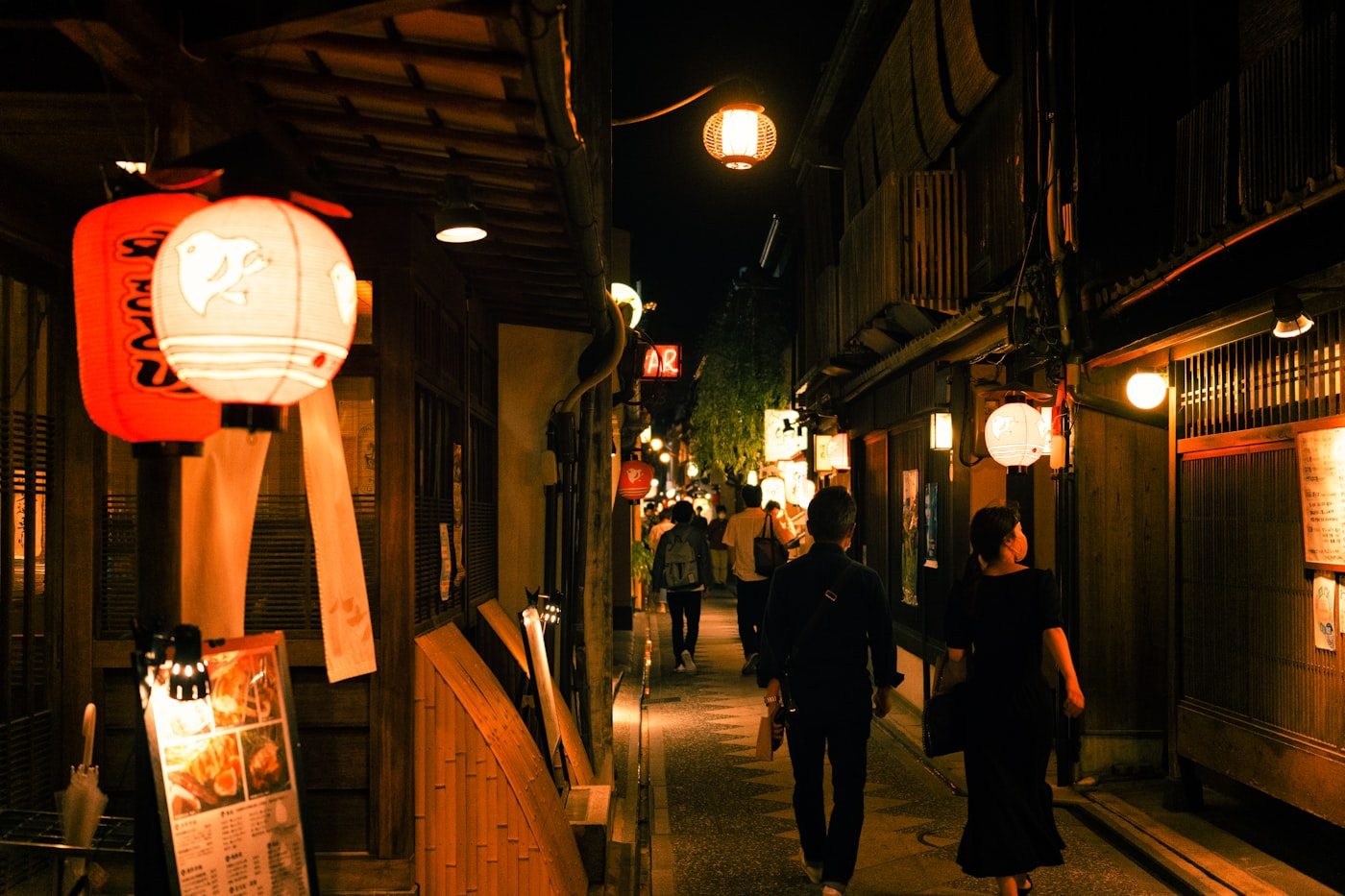
A lantern-lit alley of small bars and izakayas
Bar-hop the Kiyamachi lanes on foot.
Best after hours

Nishiki, Pontochō & Kiyamachi After Dark

Best for Bars, izakayas, natural wine, craft beer and live music, all west of the Kamo River Allow Evening onwards
  • Pontochō
  • Kiyamachi
  • Birdland
  • P.M.SOUNDS
  • SUMI WINE COFFEE
  • Kyoto Beer Lab

By day this is Nishiki Market and the downtown shopping arcades; after dark it becomes Kyoto’s densest nightlife, packed into the blocks just west of the Kamo River. The lantern-lit lane of Pontochō and the canal-side bars of Kiyamachi run between the market and the river, with more tucked through downtown Nakagyō and Shimogyō.

Almost all of our saved Kyoto drinking spots are here — whisky at Birdland, a vinyl bar at P.M.SOUNDS, natural wine at SUMI WINE COFFEE and ietiem, craft beer at Kyoto Beer Lab and DIG THE LINE, a friendly English-speaking pub (Kyoto Pub) and yakitori-with-sake at Yanagi Koji TAKA. Start with market snacks or an early dinner, then bar-hop the alleys on foot.

An evening downtown

  1. 6:00 pm Early bites Graze late at Nishiki, or start with an early downtown izakaya dinner.
  2. 7:30 pm Pontochō Wander the lantern-lit lane between Kiyamachi and the river; grab a counter seat or a riverside table.
  3. 9:00 pm Bar-hop Kiyamachi Natural wine at SUMI WINE COFFEE or ietiem, craft beer at Kyoto Beer Lab or DIG THE LINE.
  4. 10:30 pm Nightcap Whisky at Birdland, or records and a plum wine at P.M.SOUNDS.

Most of these are pinned on the Kyoto page’s “Eat, Drink & Explore” map — filter by Drink to build a route. Some tiny bars carry a seating charge or are regulars-only; look for an English menu or a posted cover.

Suggested plan

Start with market snacks or an early izakaya dinner, wander Pontochō, bar-hop the Kiyamachi canal for natural wine and craft beer, and finish with whisky at Birdland or records at P.M.SOUNDS.

View area on Google Maps ↗
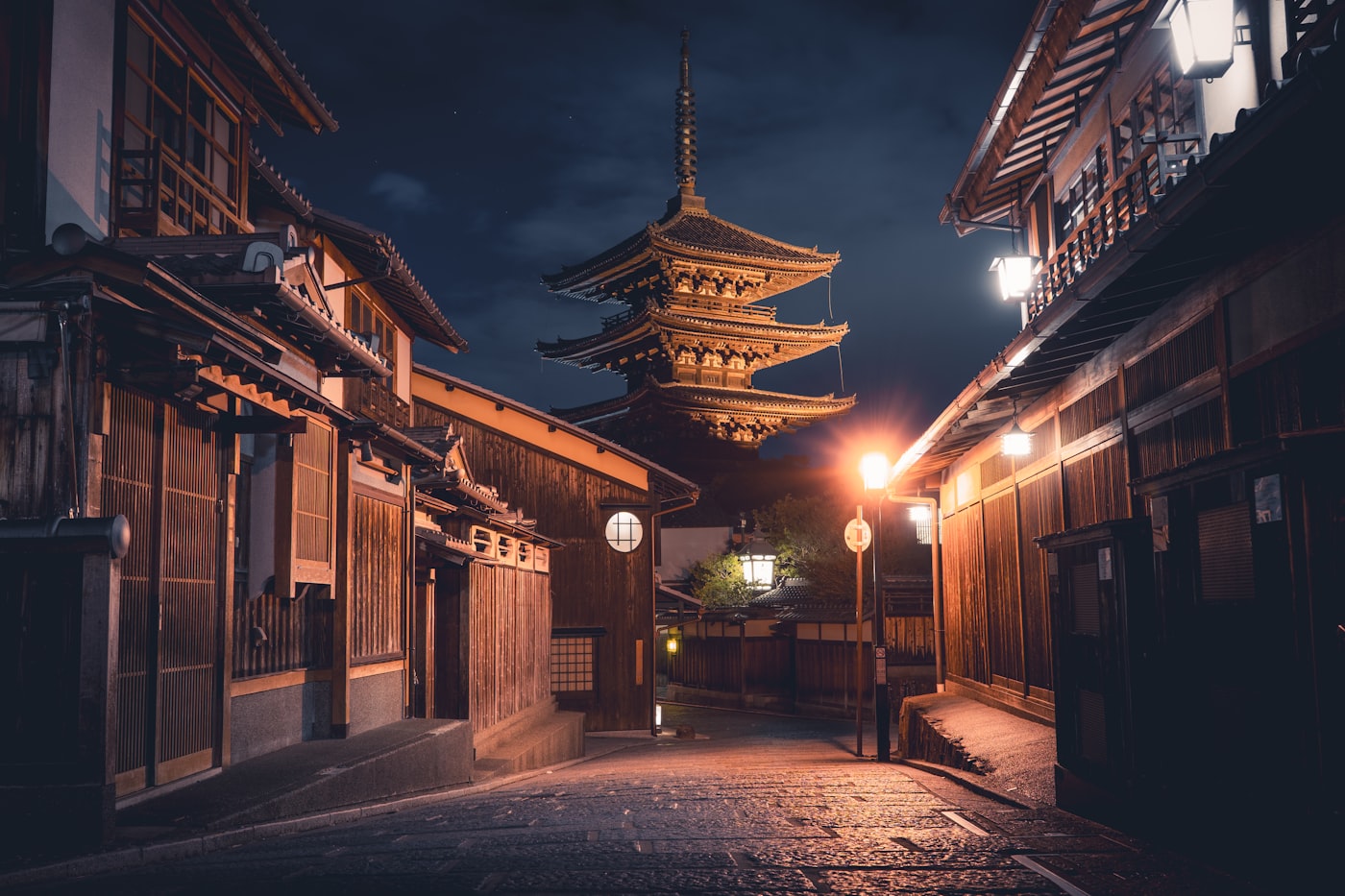
A lantern-lit street with the Yasaka Pagoda at night in Gion, Kyoto 07
A historic wooden street in Gion with a pagoda beyond
Gion’s preserved teahouse streets.
A traditional lantern-lit lane in Gion, Kyoto
The willow-lined lanes east of the river.
Best after hours

Gion & Higashiyama After Dark

Best for Lantern-lit lanes, the teahouse district, hidden bars and rooftop views, east of the river Allow Evening onwards
  • Hanami-kōji
  • Shirakawa canal
  • Yasaka Pagoda
  • K36 rooftop

East of the river, Gion trades downtown’s density for atmosphere. After dark the lantern-lit lane of Hanami-kōji and the willow-lined Shirakawa canal are at their most beautiful, and you may glimpse a geiko or maiko slipping to an appointment.

It’s more refined and traditional than the west bank — teahouses, discreet counter bars and quiet sake spots rather than a loud crawl. Right by our reception, K36 (our after-party) is a rooftop bar looking straight at the illuminated Yasaka Pagoda.

An evening in Gion

  1. 6:00 pm Golden-hour stroll Walk the Shirakawa canal and Hanami-kōji as the lanterns come on — the prettiest hour in Gion.
  2. 7:30 pm Dinner A Gion counter for kaiseki, obanzai or sushi — reserve well ahead.
  3. 9:00 pm A quiet drink Find a hidden Higashiyama bar or a traditional sake spot.
  4. 10:00 pm Rooftop nightcap Finish at K36 with a drink and a view of the lit Yasaka Pagoda.

Gion is a working, residential neighbourhood. Please stay on public streets, respect private property, and never obstruct or closely photograph geiko and maiko. Many of the best bars and restaurants are reservation-only or carry a seating charge.

Suggested plan

Stroll the Shirakawa canal and Hanami-kōji at dusk, have a reserved dinner at a Gion counter, find a quiet Higashiyama bar, and finish with a rooftop nightcap at K36.

View area on Google Maps ↗

Beyond the city

Day Trips from Kyoto

Kyoto is connected to several distinctive destinations across the Kansai region. Within about an hour you can reach the temples and parkland of Nara, Uji’s tea culture, an evening of food and drink in Osaka, or one of Japan’s great castles paired with Kobe’s waterfront.

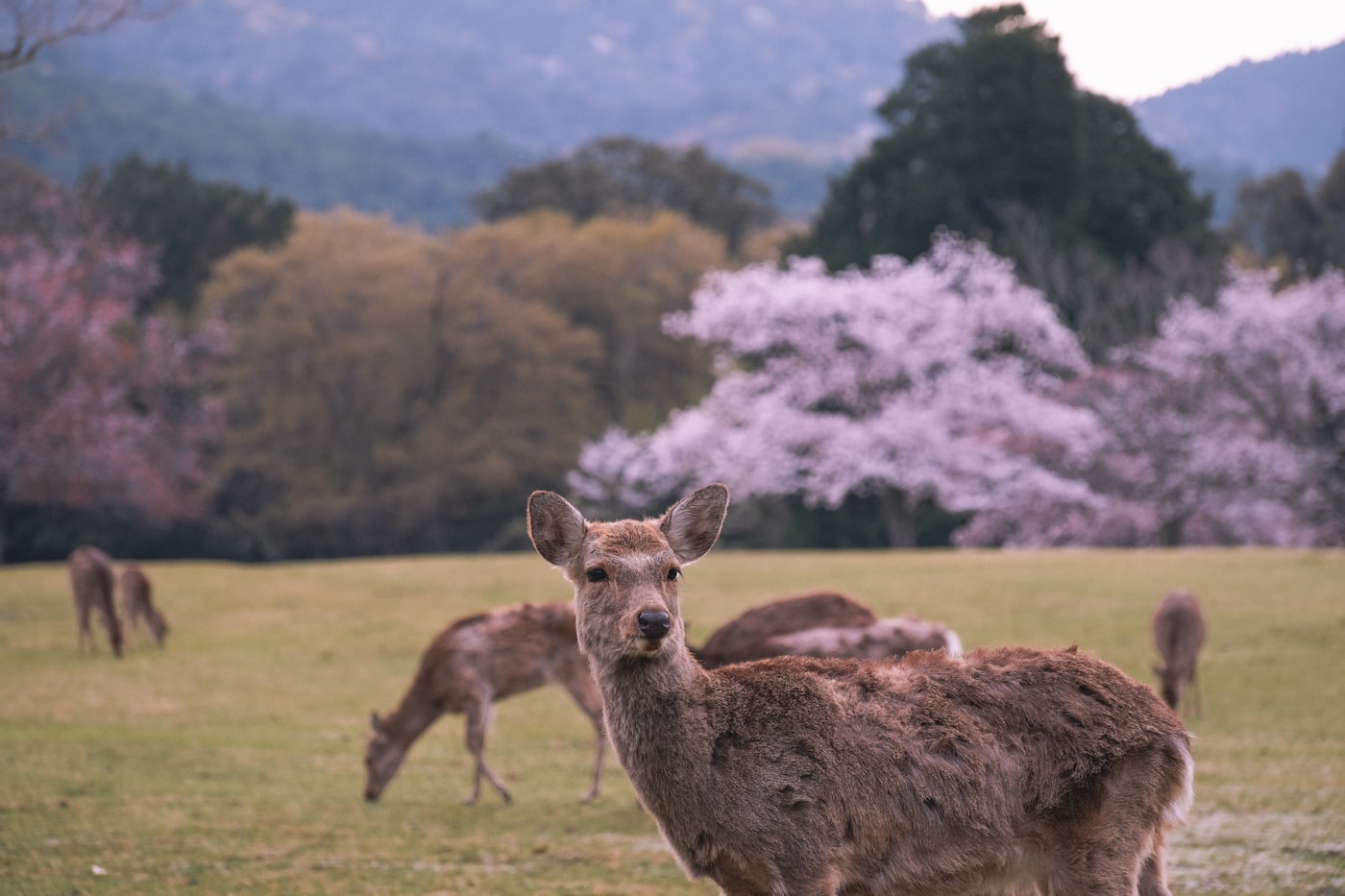
Deer walking through the wooded grounds of Nara Park 08
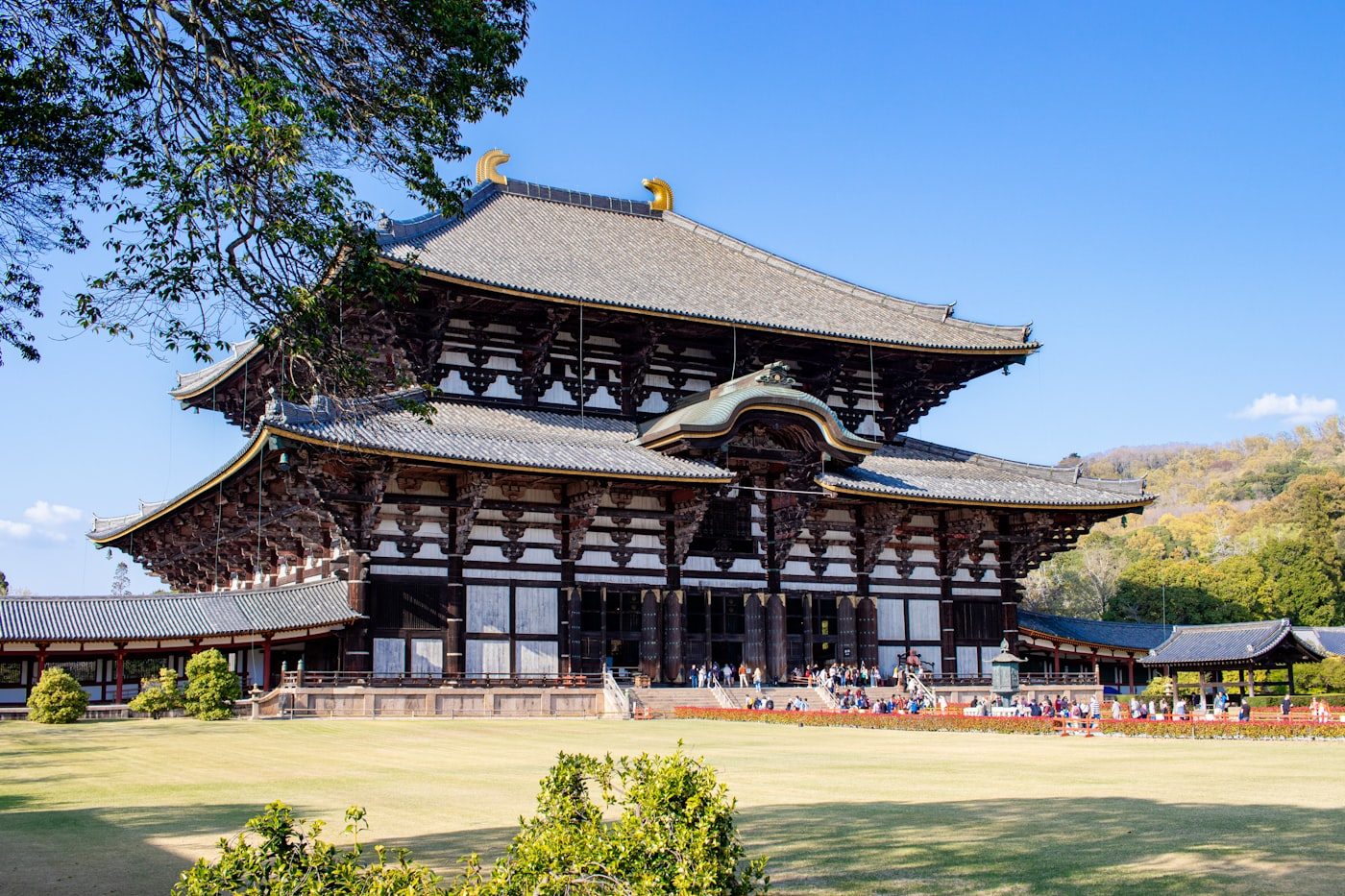
The Great Buddha Hall of Tōdai-ji in Nara
Tōdai-ji, home to the monumental Great Buddha.
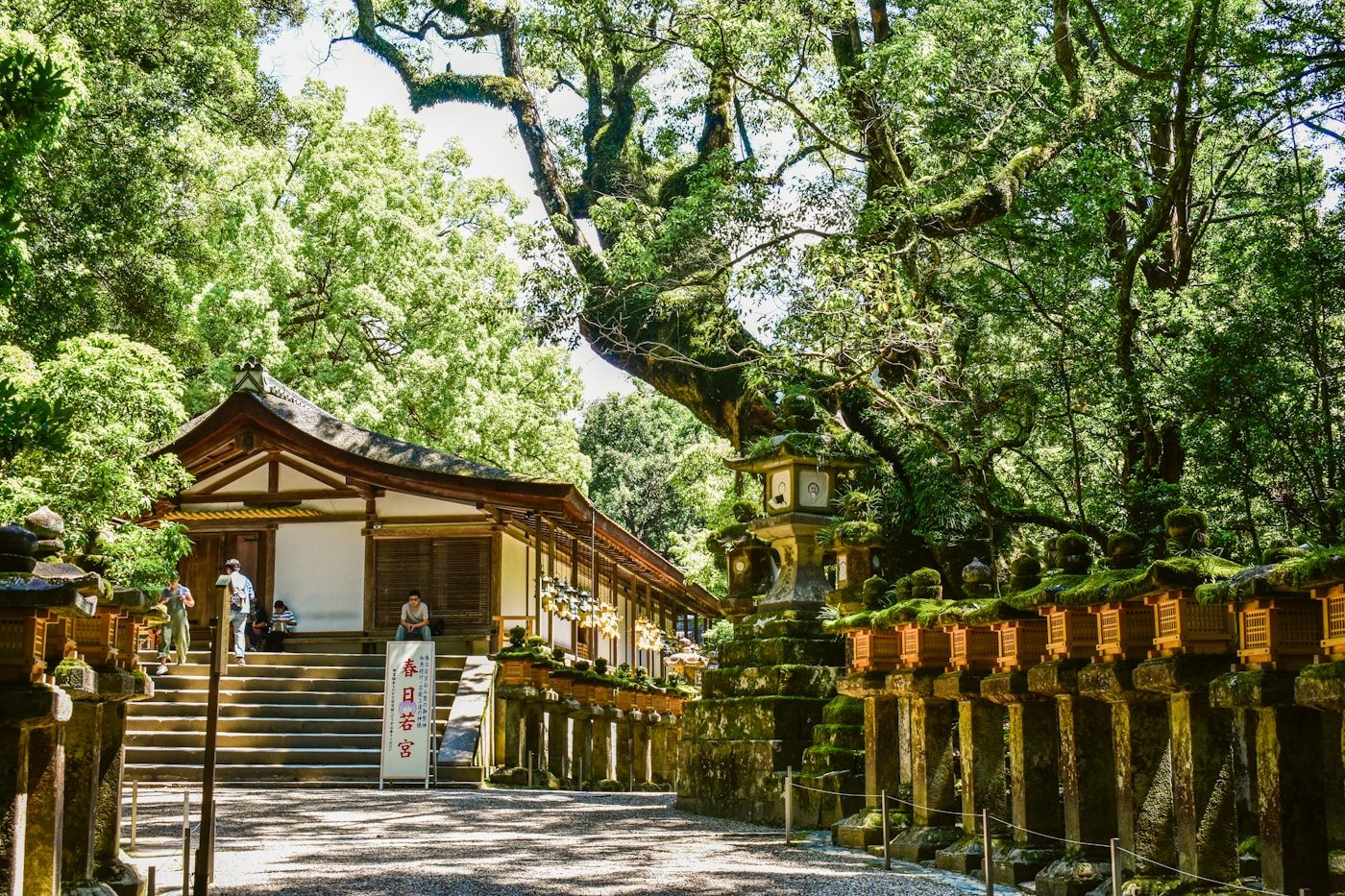
Rows of stone lanterns at Kasuga Taisha, Nara
The thousands of lanterns of Kasuga Taisha.
Best overall cultural day trip

Nara

Best for Monumental temples, parkland, traditional streets, gardens and Nara’s deer Allow A full day Travel time ~35–50 min from Kyoto

Nara is the strongest complete cultural day trip from Kyoto. It served as an early capital of Japan and contains some of the country’s most significant temple architecture within a large, walkable park.

Walk through Nara Park to Tōdai-ji, home to the monumental Great Buddha, then continue to Kasuga Taisha with its thousands of lanterns. Spend the afternoon around a traditional garden or the historic Naramachi district of former merchant houses, shops and cafés.

The main itinerary works well in early October and does not depend on peak foliage.

The deer roam freely and are wild animals. You can buy shika-senbei crackers to feed them, but keep small children and loose belongings close, avoid teasing or crowding them, and let them move freely.

Suggested plan

Arrive during the morning, walk through Nara Park to Tōdai-ji, continue to Kasuga Taisha, have lunch near the park and spend the afternoon around a garden or the historic Naramachi district.

View area on Google Maps ↗
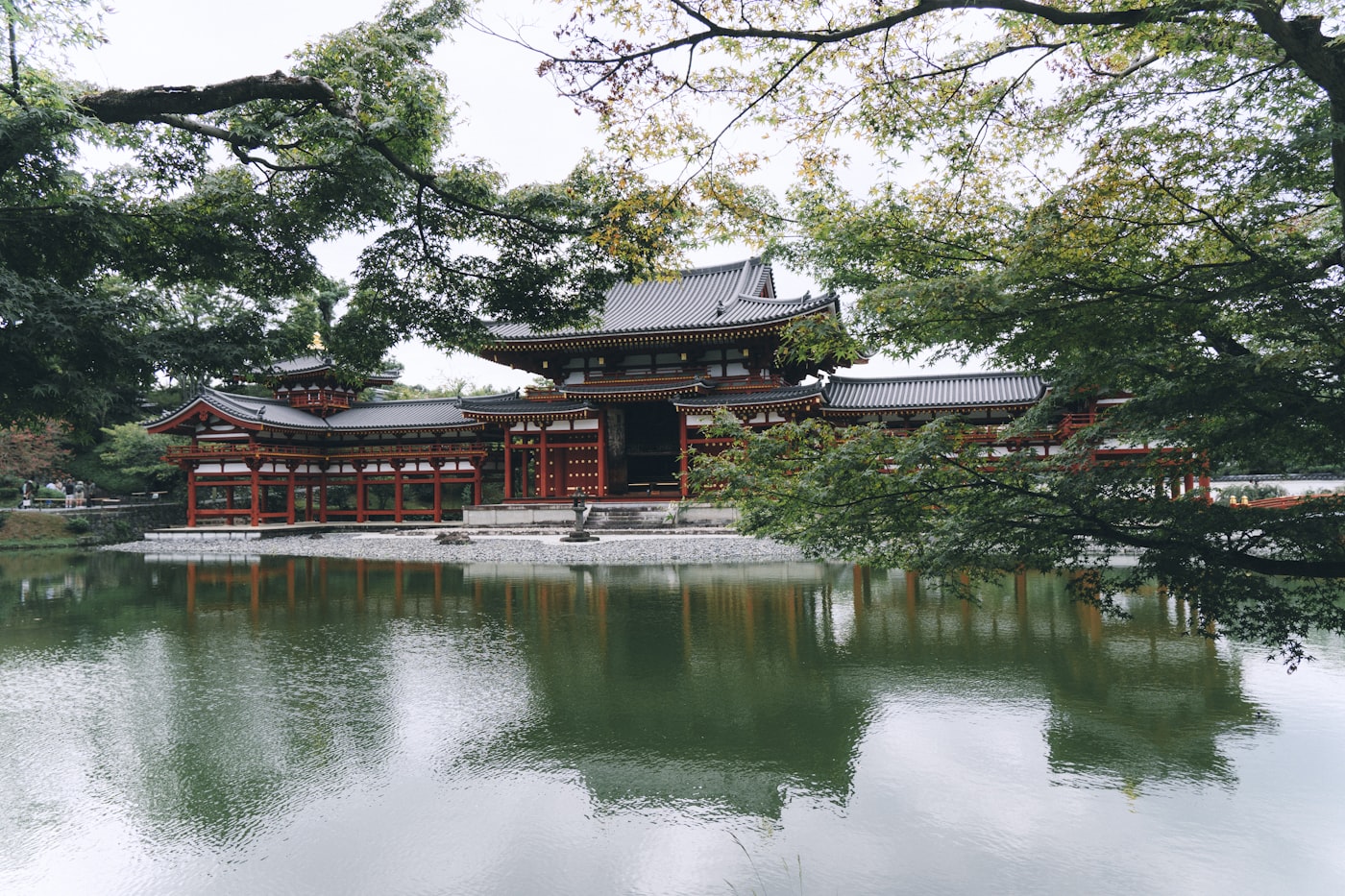
Phoenix Hall at Byōdō-in Temple reflected in the surrounding pond 09
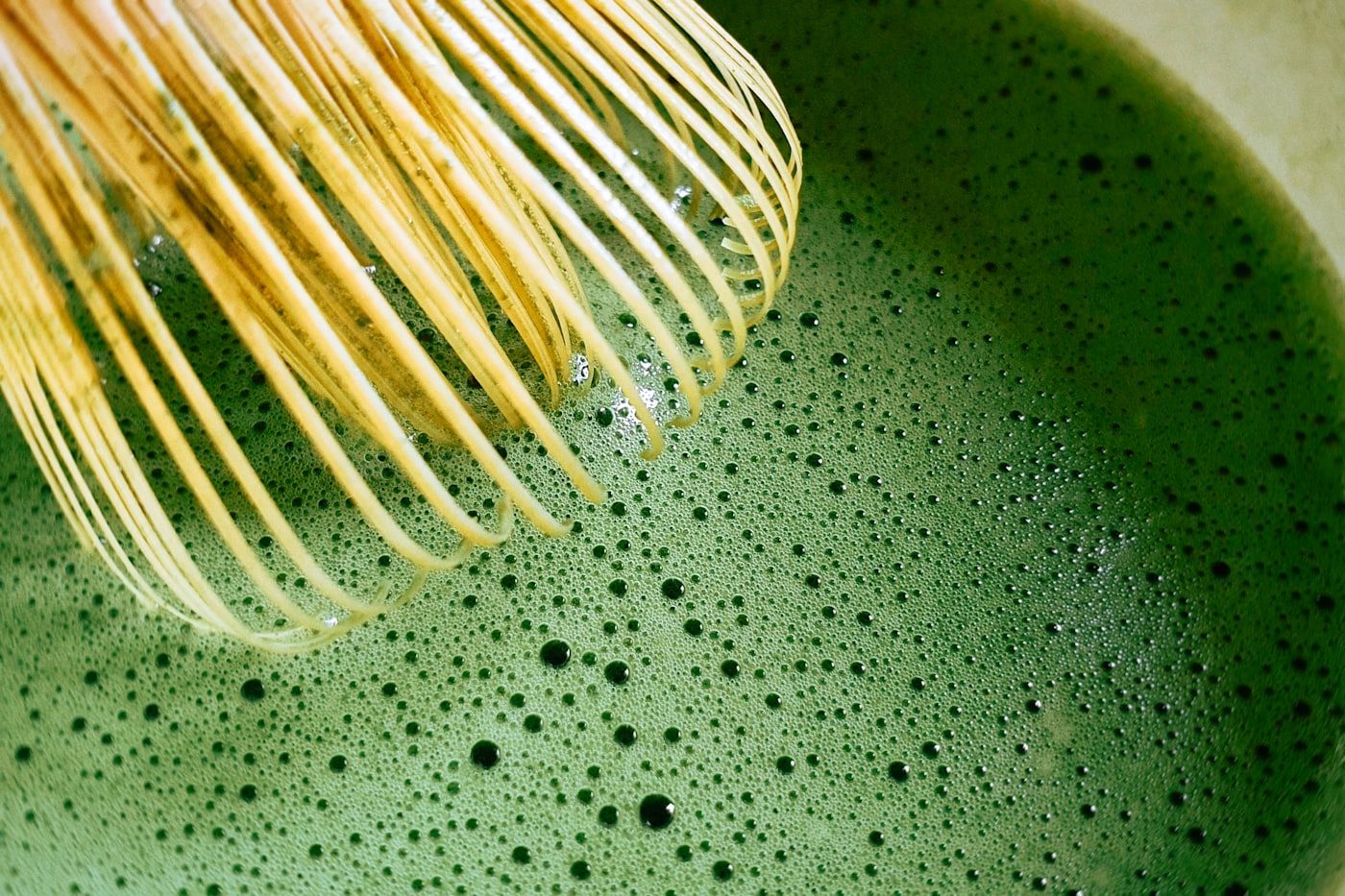
Matcha green tea being whisked in a bowl
Uji is one of Japan’s most famous tea towns.
Best easy half-day

Uji

Best for Japanese tea, historic temples, river scenery, sweets and a slower-paced excursion Allow Half to full day Travel time ~20 min from Kyoto Station by rapid train

Uji is the most convenient low-effort excursion from Kyoto, and is especially suited to guests who have only a free morning or afternoon. Its principal attractions are compact and easy to navigate, and close enough that you can return without feeling the excursion has taken the whole day.

Visit Byōdō-in, whose Phoenix Hall appears on the ¥10 coin, then explore the tea stores along Byōdō-in Omotesandō — Uji is one of Japan’s most famous tea-growing towns. Stop for a matcha-focused lunch or dessert, and finish with a walk beside the Uji River and up to Ujigami Shrine.

Suggested plan

Take a morning train from Kyoto, visit Byōdō-in, explore the tea stores along Omotesandō, stop for a matcha-focused lunch or dessert, and finish with a walk beside the Uji River.

View area on Google Maps ↗
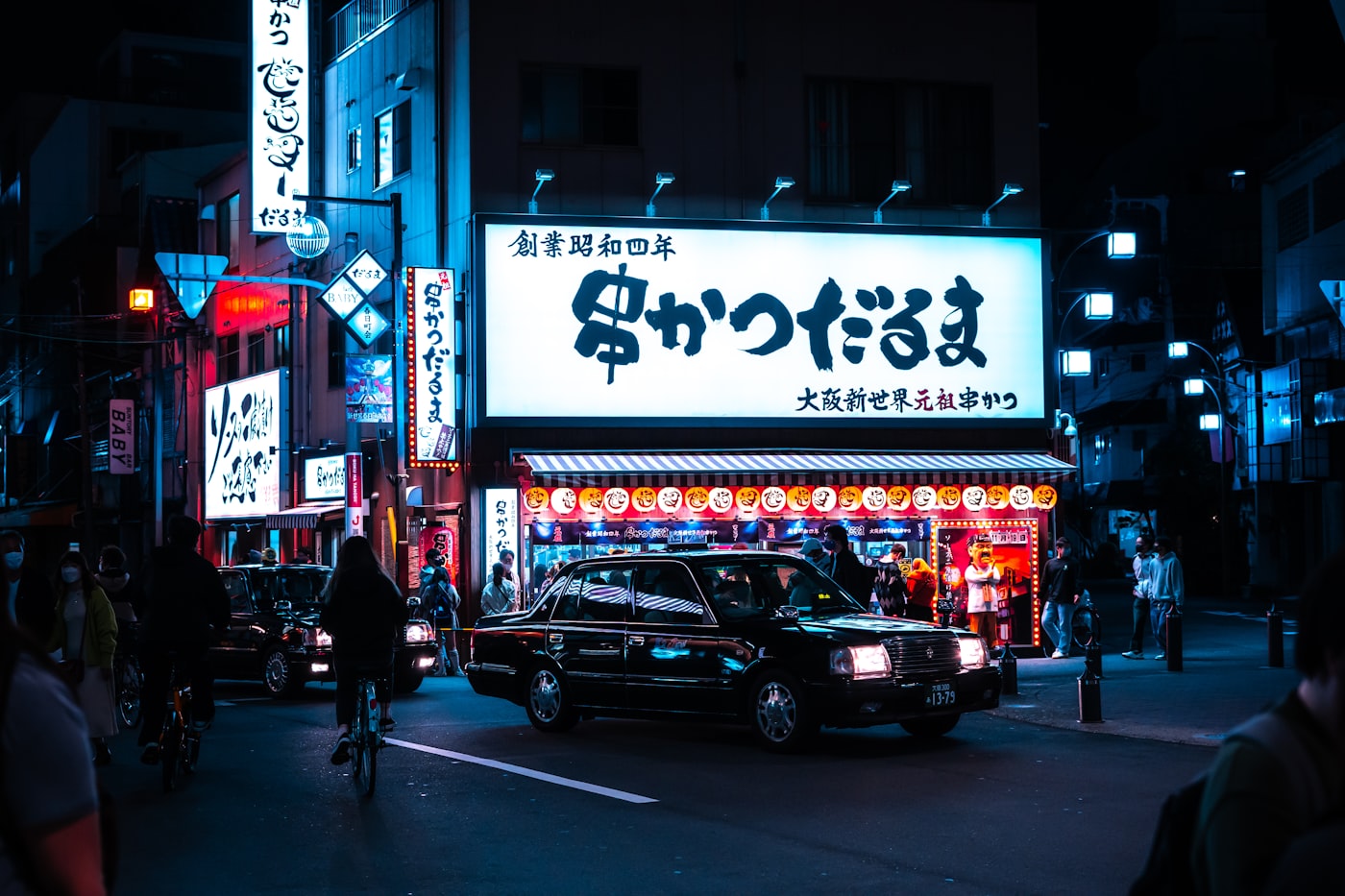
Illuminated restaurant signs beside the Dōtonbori canal at night 10
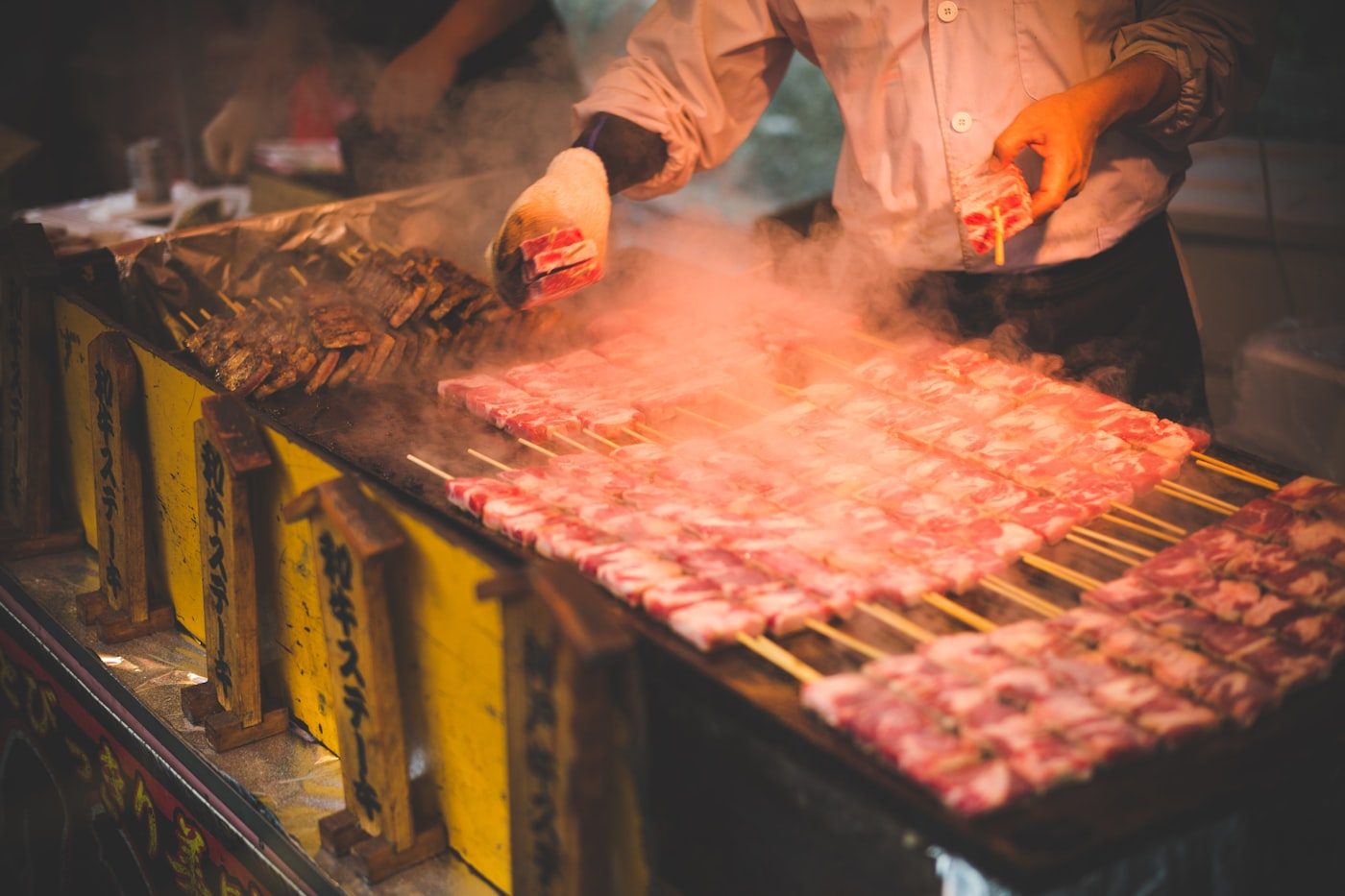
Grilled skewers cooking at an Osaka street-food stall
Osaka is Japan’s street-food capital.
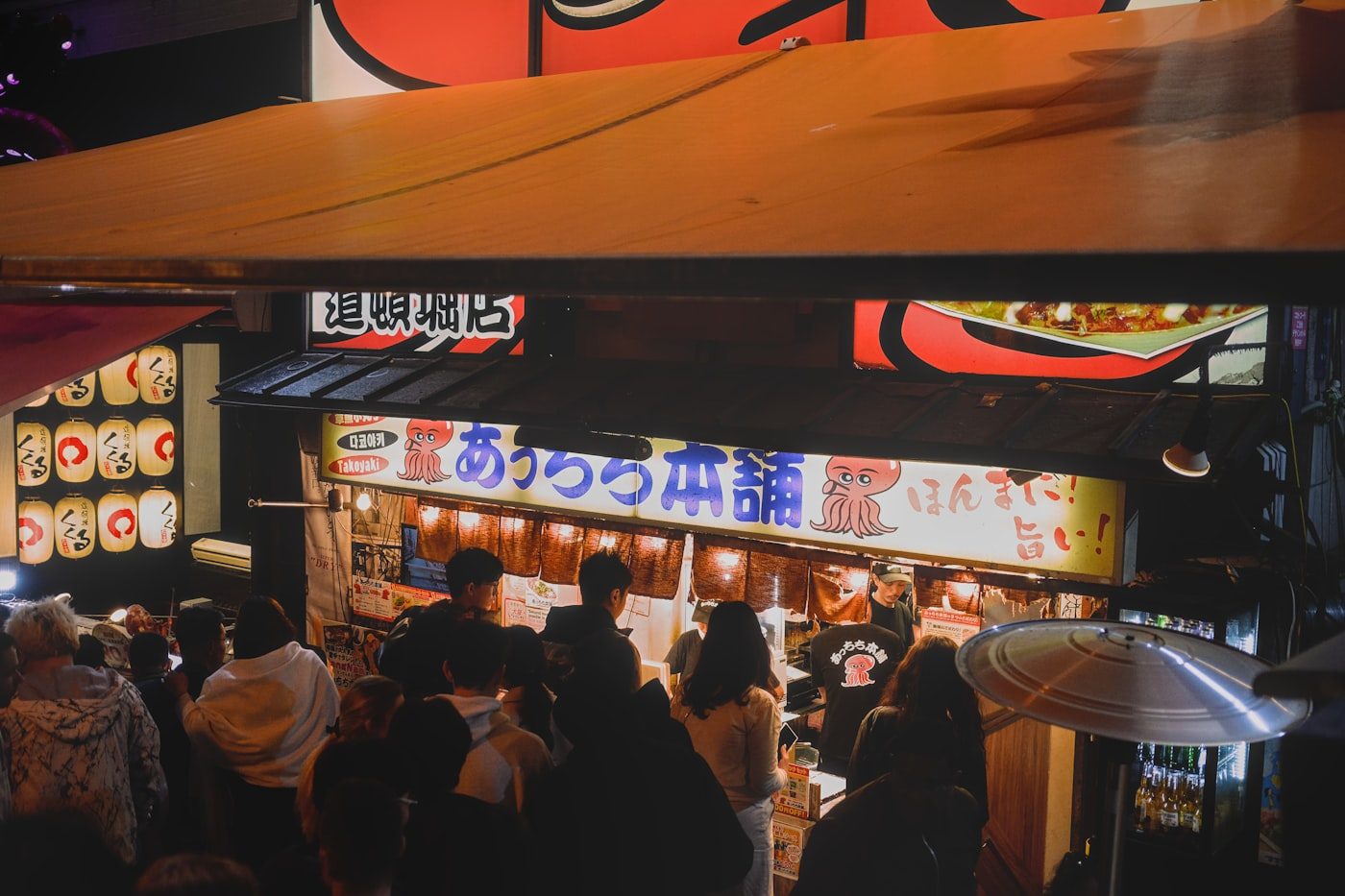
Crowded, brightly lit food stalls in Osaka at night
Graze several small stops around Dōtonbori.
Best for food & nightlife

Osaka

Best for Street food, casual restaurants, shopping, lively bars and a strong contrast to Kyoto Allow Afternoon through late evening Travel time ~30–60 min depending on the line and station

Osaka provides the strongest urban contrast with Kyoto — louder, more casual and especially enjoyable after dark. This itinerary focuses on food, shopping and nightlife rather than sightseeing.

Rather than booking one restaurant for the whole evening, share several smaller dishes across multiple stops before finishing at a bar or standing izakaya. Move from Kuromon Market and Dōguyasuji through Namba and lantern-lit Hōzenji Yokochō, then into the illuminated canal district of Dōtonbori and the casual bars of Ura-Namba.

An afternoon & evening in Osaka

  1. 2:00 pm Kuromon Market Browse the market and surrounding food streets.
  2. 3:30 pm Dōguyasuji & Namba Explore kitchenware stores, covered arcades and the surrounding commercial streets.
  3. 5:30 pm Hōzenji Yokochō Walk through the stone-paved alley and stop for an early drink or small plate.
  4. 7:00 pm Dōtonbori Try several Osaka specialties and explore the illuminated canal district.
  5. 9:00 pm Ura-Namba or Shinsaibashi Finish with casual bars, standing izakayas or late-night food.

Staying in Osaka late? Confirm the correct station and the final Kyoto-bound train before the evening begins — different railway services depart from different parts of Osaka.

Guests specifically interested in Osaka Castle can add it in the morning, but combining the castle with the full Namba and nightlife itinerary makes for a significantly longer day.

Suggested plan

Travel to Osaka after lunch, explore Kuromon Market and Dōguyasuji, walk through Namba and Hōzenji Yokochō, and spend the evening eating and drinking around Dōtonbori and Ura-Namba.

View area on Google Maps ↗
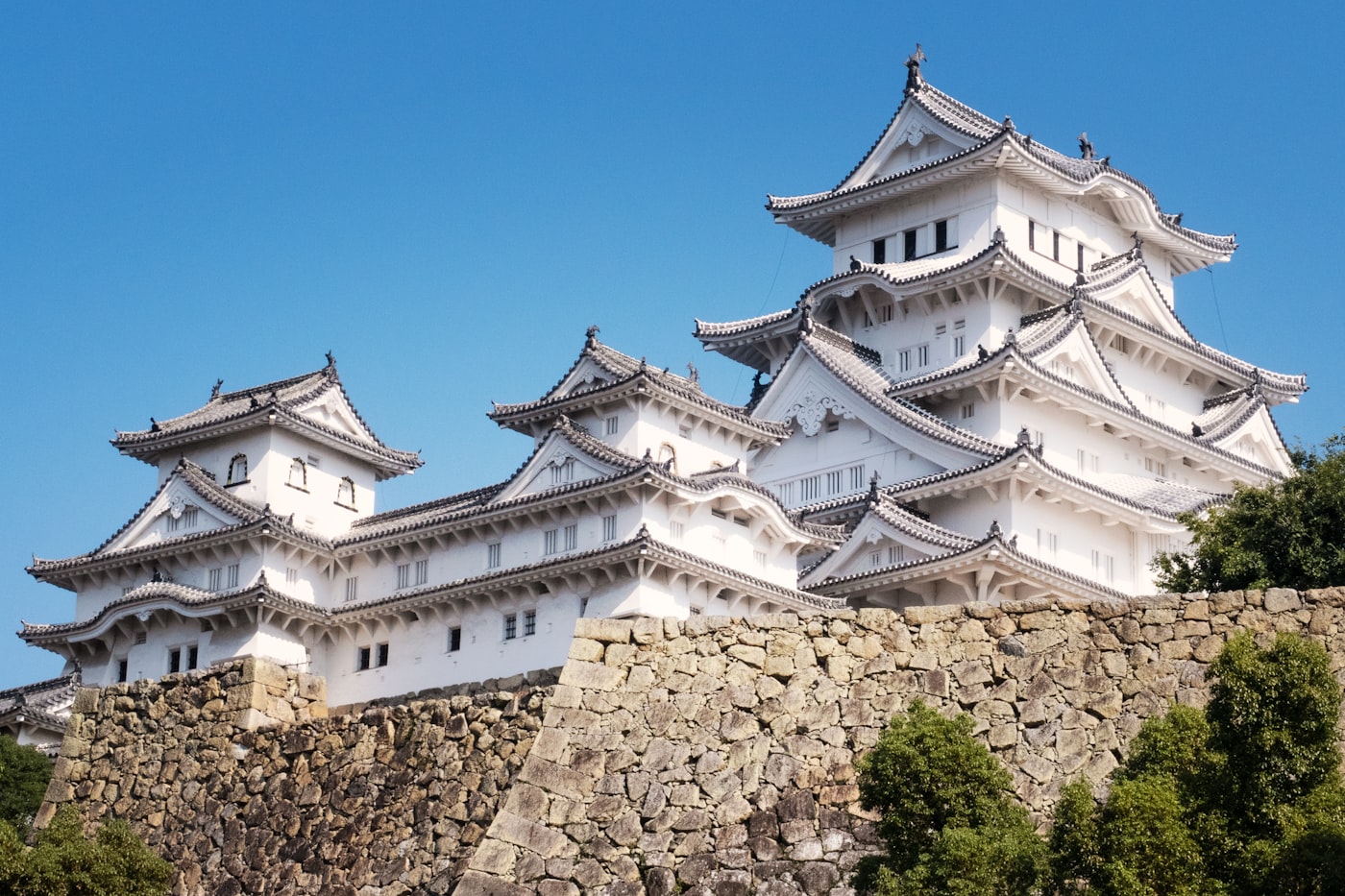
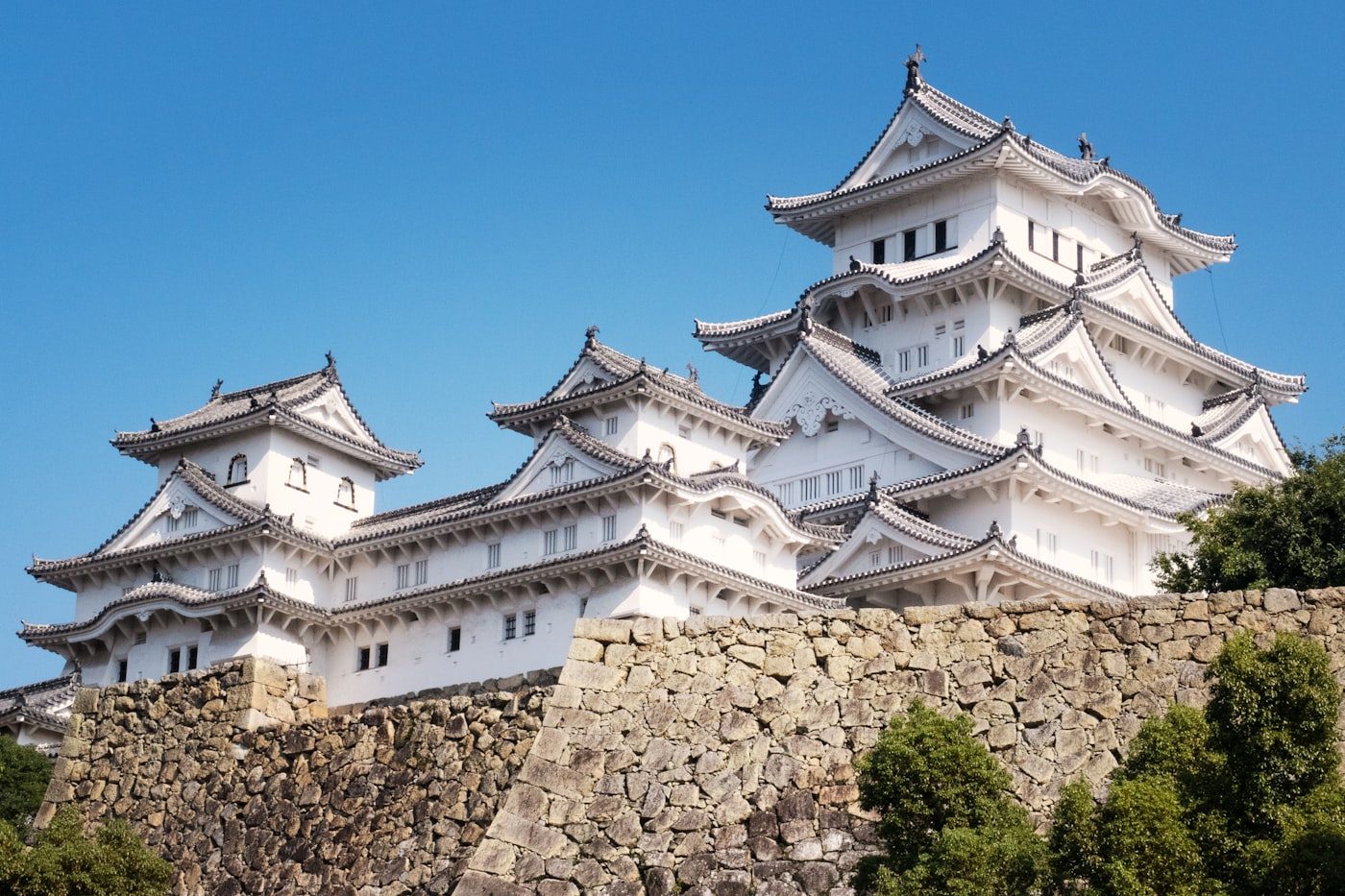
White exterior of Himeji Castle rising above its defensive walls 11
The brilliant white keep of Himeji Castle
Himeji Castle, a rare surviving original keep.
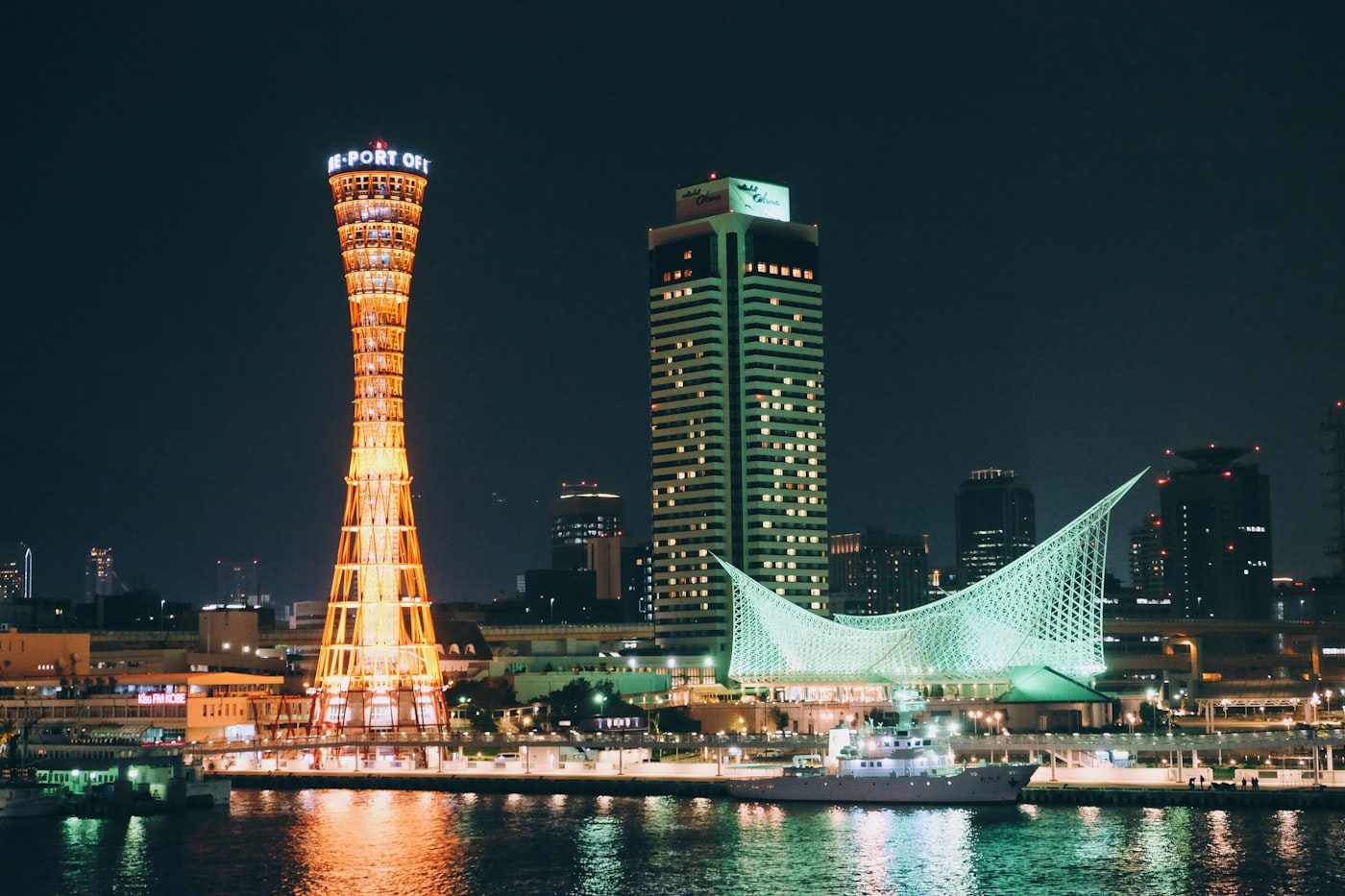
Kobe Port Tower and harbour lit up at night
Finish on the Kobe waterfront.
Best ambitious full day

Himeji & Kobe

Best for An original Japanese castle, formal gardens, harbour scenery, Chinatown and a refined dinner in Kobe Allow A long full day Travel time ~1 hr to Himeji by Shinkansen, then ~40 min to Kobe

Himeji and Kobe combine two very different experiences in one ambitious but manageable day.

Begin in Himeji, home to one of Japan’s most important surviving original castle complexes. Himeji Castle is notable for its scale, defensive design and brilliant white exterior — an experience that differs significantly from Kyoto’s temples and from the reconstructed castles found elsewhere in Japan. Afterward, continue to the neighbouring Kōko-en Garden for a quieter walk through a collection of traditional landscaped gardens.

In the afternoon, take the train to Kobe. Explore Nankinmachi Chinatown, walk toward the waterfront and continue through Meriken Park or Harborland, then finish with dinner before returning to Kyoto — Kobe beef, contemporary Japanese, Chinese food or another local restaurant, depending on your preferences and budget.

From castle to harbour

  1. 9:30 am Himeji Castle Walk from Himeji Station and explore the castle grounds and interior.
  2. 12:00 pm Kōko-en Garden Visit the traditional gardens beside the castle.
  3. 1:30 pm Lunch or train to Kobe Have lunch in Himeji or continue directly to Kobe.
  4. 3:30 pm Nankinmachi Explore Kobe’s Chinatown and surrounding streets.
  5. 5:00 pm Meriken Park & the waterfront Walk through the harbour district and stay for the evening lights.
  6. 7:00 pm Dinner in Kobe Finish with a reserved dinner before returning to Kyoto.

This is the most ambitious Kyoto day trip and requires an early start. Guests who prefer a slower pace should visit only Himeji or only Kobe rather than combining both.

The interior of Himeji Castle has steep staircases and may not suit guests with limited mobility. The exterior grounds and neighbouring Kōko-en Garden can still be enjoyed without climbing the full keep.

Suggested plan

Travel to Himeji in the morning, visit Himeji Castle and Kōko-en Garden, continue to Kobe in the afternoon, explore Nankinmachi and the harbour, and finish with dinner before returning to Kyoto.

View area on Google Maps ↗
Other option for active guests

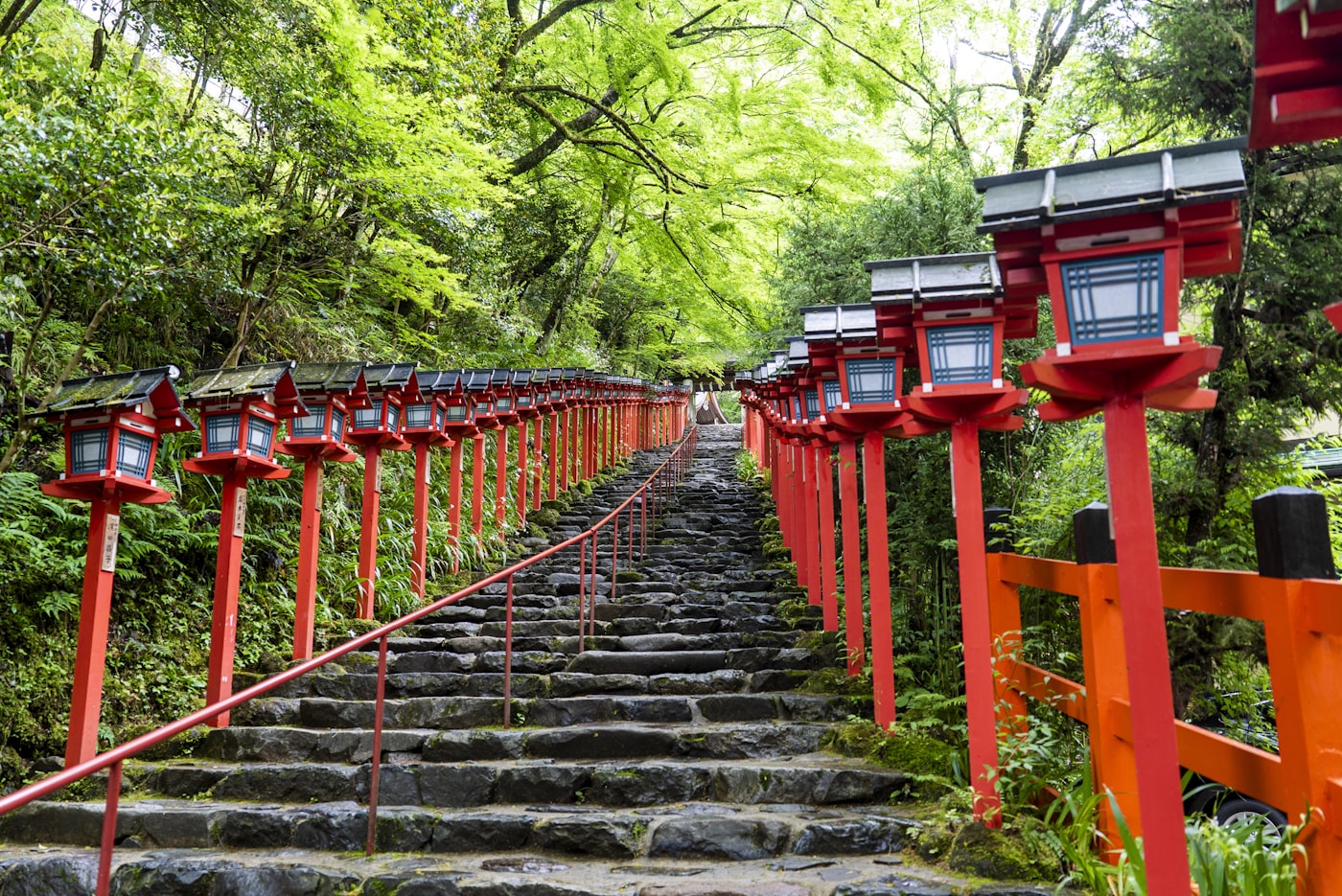
The lantern-lined stone staircase at Kifune Shrine in northern Kyoto

Kurama & Kibune

Active & weather-dependent

Best for Mountain temples, forest hiking and guests comfortable with uneven terrain

Kurama and Kibune offer a scenic mountain escape north of Kyoto. The traditional route begins at Kurama-dera and follows a forest trail across the mountain toward Kifune Shrine.

This is a genuine hike involving steps, slopes, exposed roots and uneven surfaces — attempt it only in suitable weather and with supportive footwear. Guests who would rather not hike can visit Kurama or Kibune separately by public transport.

Check trail and weather conditions before departing. The classic riverside dining experience is seasonal and may no longer be operating during early October.

View area on Google Maps ↗